


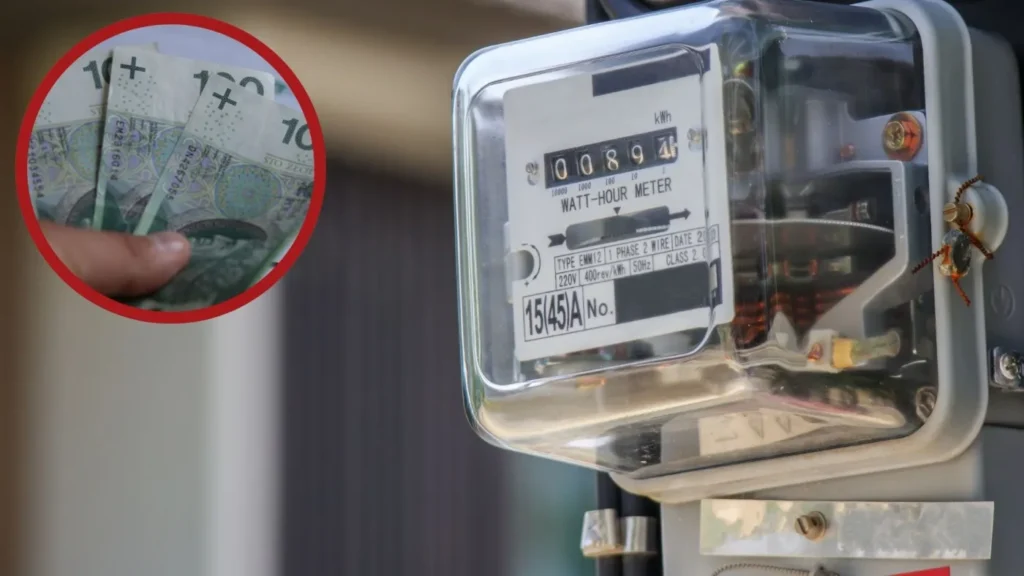
New electricity tariffs take effect in Poland in 2026, featuring lower energy prices but increased distribution fees, impacting household bills.
Lower Energy Prices, Complex Bills
In 2026, households will pay for energy under new tariffs approved by the President of the Energy Regulatory Office (URE). The energy sales price itself is lower than the frozen price from 2025, but distribution fees and other components also influence the final bill. Therefore, a decrease in the energy price does not automatically translate to the same decrease in the entire invoice.
New tariffs for households using tariffs approved by the President of the Office for Regulation of Energy are in effect from January 1, 2026. According to URE, the average energy sales price for this group of customers is PLN 495.16 per MWh, which is less than the so-called frozen price in effect in 2025.
Distribution Costs Rise
The final bill consists of several parts, including the cost of energy delivery, or distribution. In 2026, distribution tariffs for the five largest operators increased by an average of 9.36%.
The most important change for consumers concerns the price of active energy, which is directly related to electricity consumption. The average price approved in the tariffs of default suppliers is PLN 495.16/MWh, affecting customers of PGE Obrót, Tauron Sprzedaż, Enea, and Energia Obrót.
Changes to Bill Components
Alongside energy prices, tariffs for the largest distribution system operators have been approved. These cover the costs of maintaining, modernizing, and expanding the grid, meaning the electricity bill isn’t simply consumption multiplied by the energy price.
URE reminds that distribution costs include fixed, variable, and flat-rate fees, which are most visible on the settlement invoice, not always on the forecast invoice.
Transition and Cogeneration Fees
From 2026, the transition fee will be eliminated. The Ministry of Energy stated this component of the electricity bill is no longer applicable, aiming to reduce energy costs for households and businesses.
The elimination of the transition fee does not change the energy price itself, but affects the structure of the entire bill. The practical effect for the consumer depends on the tariff, consumption, and other bill components.
The cogeneration fee remains unchanged at PLN 3 per MWh, protecting consumers from additional energy costs while maintaining support for combined heat and power producers.
Government Stabilization Goals
Government documents regarding energy priorities indicate a goal to lower and stabilize electricity prices for households to a level no higher than PLN 500/MWh in 2026.
The average energy sales price approved by URE is below this level, but the limit or tariff applies only to the sales portion of the bill, which also includes distribution, taxes, and other fees.
What to Check on Your Bill
When comparing bills from 2025 and 2026, consumers should pay attention to three elements. It’s important to carefully compare forecast invoices, as a full breakdown of components is found on the settlement invoice.
The key takeaway is that the energy sales price for households in 2026 has been set below the frozen level from 2025, but distribution tariffs have simultaneously increased. The transition fee has been removed, and the cogeneration fee remains unchanged.
Therefore, some households may see a lower bill, but the scale of the change will depend on consumption profile, tariff, and operator. Changes should not be assessed solely based on the active energy price; the 2026 electricity bill should be read as the sum of several regulated components.