


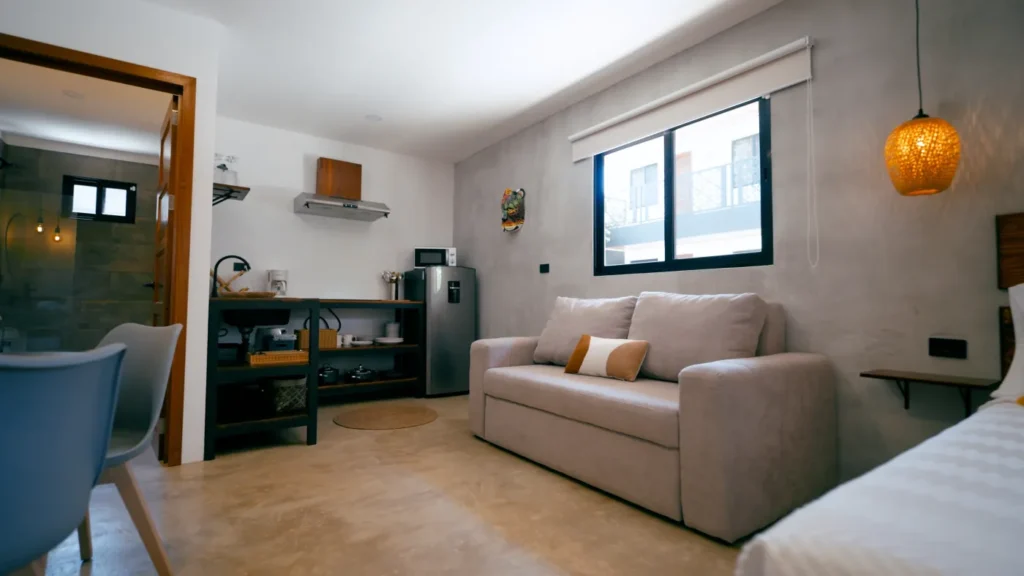
New criteria in Polish municipalities will determine access to limited social housing in 2026, prioritizing certain income levels and demographic groups.
Who Determines Eligibility for Social Housing in 2026?
Polish municipalities are responsible for establishing the conditions for accessing social housing, providing rental units and accommodating low-income households, as outlined in the Act of June 21, 2001, on the Protection of Tenants’ Rights.
Income Criteria for 2026: What are the Requirements?
Income is the primary factor in determining eligibility for social housing. Specific rules are set by each municipality, but generally, income levels are assessed to ensure applicants are neither too poor (qualifying for social assistance) nor too wealthy (disqualifying them from communal housing).
Priority Groups: Families, Seniors, and Victims of Violence
While specific regulations vary by municipality, a consistent list of prioritized groups exists across Poland. In 2026, families, seniors, and victims of domestic violence are likely to have increased chances of securing housing.
Changes in Major Cities – Warsaw’s Priority Allocations
Cities like Warsaw prioritize individuals in essential professions. This includes social assistance workers, family support staff, childcare providers for children under three, and paramedics employed by city-affiliated medical facilities, requiring at least two years of service.
Why are Waiting Times for Social Housing so Long? The Reality of 2026
Waiting times for social housing in major Polish cities can extend to over a decade due to high demand and limited availability of units.