


Poland has collected over 520 million recyclable packages through its deposit system since the beginning of the year, prompting municipalities to consider raising waste collection fees.
Deposit System Gains Momentum
Approximately 520 million packages have been collected since the start of the year, representing a 66 percent increase in the two weeks prior to today’s announcement, according to Deputy Minister of Climate and Environment Anita Sowińska.
The Ministry of Climate and Environment anticipates collecting around 0.5 billion packages monthly through the deposit system.
Deposit System Components
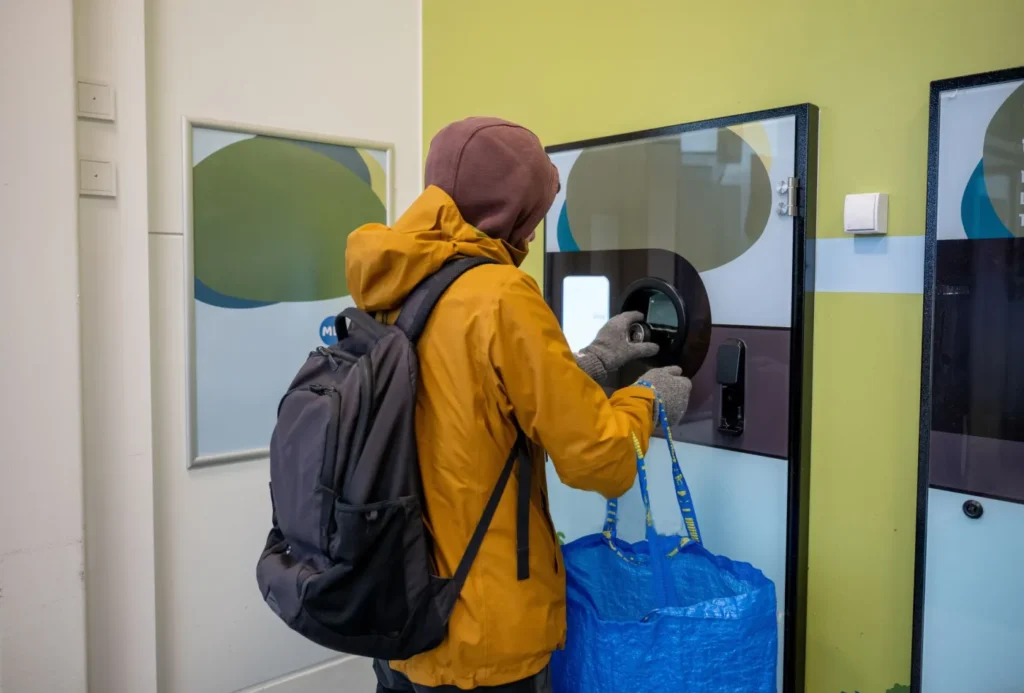
Large stores over 200 square meters are required to organize collection points, which can be automated or manual. Currently, there are 52,000 collection points, including 9,500 automated machines.
Approximately 78 percent of packages are collected via automated machines, accounting for 404 million collected items. An additional 24,000 collection points have been established in smaller stores participating voluntarily.
Municipalities Warn of Potential Fee Increases
Prior to the deposit system, packaging waste was handled through municipal waste management systems. The Ministry of Climate and Environment maintains that the deposit system has streamlined collection efforts.
Anita Sowińska stated that without the deposit system, only about one-third of the 520 million packages would have ended up in the yellow bag, with a significant portion potentially being incinerated, ending up in landfills, or polluting the environment.
Impact on Waste Management Costs
Municipalities are warning that the deposit system may necessitate increases in waste collection fees for residents due to a decrease in the volume of valuable recyclable materials.
Warsaw officials reported a 40 percent increase in waste collection costs in tenders, attributing it to the system’s impact on waste volume and economic factors. They suggest implementing an Extended Producer Responsibility (EPR) system, where producers contribute to the financing of waste collection and recycling.
Need for Extended Producer Responsibility
Warsaw’s authorities emphasize that the deposit system was not implemented concurrently with an effective EPR system, resulting in municipalities and residents bearing the majority of the costs, and producers not fully participating in funding collection and recycling.