Poland’s healthcare system is grappling with severe financial difficulties, prompting the National Health Fund (NFZ) to consider limiting access to key diagnostic procedures.
Financial Strain on Healthcare System
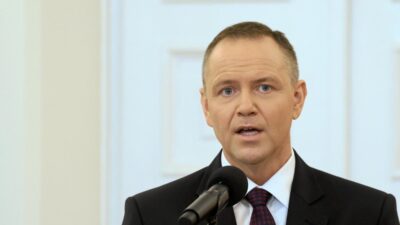
The financial situation within Poland’s healthcare system is described as “very difficult” by Deputy Health Minister Tomasz Maciejewski. Contributing factors include the cost of minimum wage increases and a reduced share of health insurance contributions towards funding treatment.
Currently, the healthcare system faces a challenging financial situation despite record-high spending exceeding 217 billion PLN. The rate of cost increase significantly outpaces revenue growth, according to the Deputy Minister.
Proposed Limits on Diagnostic Tests
Lawmakers from PiS (Law and Justice) questioned the Ministry of Health regarding potential NFZ restrictions on funding for four diagnostic tests: colonoscopies, gastroscopies, CT scans, and MRIs, particularly those exceeding established limits. The NFZ has also hinted at possible limitations on specialist outpatient care, though a formal order has not yet been published.
Government Funding and Minimum Wage Impact
Maciejewski attributed some of the NFZ’s problems to the previous government’s transfer of over 7 billion PLN in funding for benefits to the NFZ without providing corresponding financial resources, now totaling over 12 billion PLN. The cumulative cost of minimum wage increases in healthcare is projected to exceed 71 billion PLN by 2026.
The structure of NFZ funding has also shifted, with the health insurance contribution share decreasing to 80% in 2025, while state budget allocations for healthcare are increasing. State budget subsidies for the NFZ were approximately 15 billion PLN in 2024, 33 billion PLN in 2025, and a preliminary estimate of 30 billion PLN for 2026.
Exemptions from Potential Limits
The Deputy Minister assured the public that patients would remain safe, clarifying that proposed changes would not affect children and adolescents under 18, oncology patients with DILO cards, or those participating in the colorectal cancer screening program. The changes may facilitate earlier referrals to appropriate oncology pathways, even if initial diagnostics occur outside the fast-track oncology therapy system.
Opposition Criticism and Privatization Concerns
Czesław Hoc (PiS) argued that the measures effectively introduce limits on specialist outpatient care, leading to longer wait times. He criticized the Ministry of Health for restricting access to diagnostic imaging, calling it a risk to patient health and safety.
Hoc warned that the limits would strain hospital finances and potentially lead to a reliance on private clinics, accusing the government of pursuing privatization. Wioletta Maria Kulpa (PiS) stated that, according to a statement by the head of the Permanent Committee of the Council of Ministers, Maciej Berek, “a Pole is supposed to get sick within a limit.”
Maternity Ward Closures and Contract Disputes
Barbara Bartuś (PiS) highlighted the widespread closure of maternity wards and the government’s refusal to increase birth payment rates to prevent hospitals from incurring debt. Maciej Berek explained that over-performance—providing more services than contracted—raises questions about fair payment, suggesting a need to reduce incentives for exceeding agreed-upon service levels.
Decline in Maternity Wards and Birth Rates
Data from the Ministry of Health reveals that one-quarter of maternity wards have been closed in the last 15 years, decreasing from 406 in 2010 to 305 in November 2025. Closures occurred in multiple years, with 27 wards closing in 2025 alone. Simultaneously, the birth rate has fallen from 413,000 in 2010 to 238,000 annually.
Government Apology for Misleading Information
Government Spokesman Adam Szłapka, on behalf of Prime Minister Donald Tusk, apologized for misleading the public regarding the status of the maternity ward in Lesko. Prime Minister Tusk had initially stated the ward remained open, but Szłapka clarified that it is, in fact, non-operational due to a request from the local authorities.