


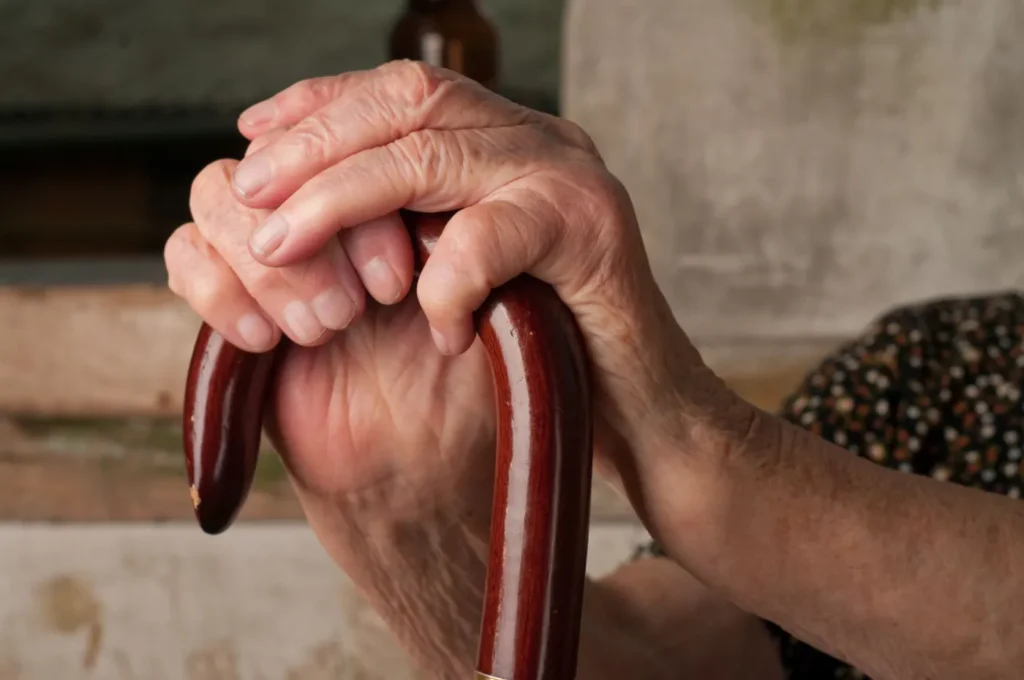
Polish experts warn that citizens live fewer years in good health than the EU average, necessitating urgent reforms to the “silver economy” system.
Declining Health and Demographic Shifts
Poles over 65 spend fewer years in good health compared to the average EU resident, according to think tank Medyczna Racja Stanu. Experts emphasize comprehensive changes to healthcare organization and more effective chronic disease treatment are crucial.
Data from Poland’s Central Statistical Office (GUS) indicates a near-continuous decline in Poland’s population since 2012. By the end of 2025, the population reached 37,332,000, a decrease of approximately 157,000 from the previous year.
Aging Population Trends
GUS Vice President Hanna Strzelecka highlighted the systematic aging of Polish society. In 2014, the number of residents aged 65 and older surpassed the number of children aged 0-14.
Currently, 8 million Poles are aged 65 or older, projected to reach 10 million—one-third of the population—by 2050. The number of individuals aged 80 and older is currently 1.6 million, expected to double by 2050.
The “Silver Economy” and Long-Term Care
Strzelecka stressed the need for preparation, not only in healthcare but also in long-term care. Even a significant increase in Poland’s birth rate would not quickly reverse these demographic trends, making the development of a “silver economy” essential for sustained economic growth.
Life Expectancy Compared to Europe
Professor Elżbieta Gołata, Chair of the Committee of Demographic Sciences of the Polish Academy of Sciences, noted a 10-year increase in life expectancy in Poland over the last 35 years. However, Poland remains among the lower-ranking European countries, with citizens in Italy, Sweden, and Switzerland living an average of 7 years longer.
Healthy Life Expectancy Gaps
A recent European Commission report, “State of Health in the EU. Poland. Health System Profile 2025,” revealed that Poland’s average healthy life expectancy is lower than the EU average. Polish women aged 65 can expect 8.6 years of healthy life, while men can expect 7.8 years, compared to EU averages of 9.2 and 8.9 years, respectively.
Leading Causes of Death and Illness
The report identified cardiovascular diseases and cancers as the primary causes of death and poor health among Poles, mirroring trends across Europe.
Chronic Diseases and Healthcare Burden
Michał Dzięgielewski, a representative of the President of the National Health Fund, pointed to the increasing prevalence of chronic, age-related conditions. Individuals aged 60 and older represent the largest burden on the healthcare system, accounting for 50% of hospital treatment costs, which comprise 50% of all healthcare expenditure.
Reforming Chronic Disease Treatment
Experts emphasized the need for comprehensive reform in chronic disease treatment to mitigate costly complications. Obesity is cited as a prime example.
Professor Mariusz Wyleżoł, President of the Polish Society for the Treatment of Obesity, highlighted the obesity epidemic and its approximately 200 associated complications, including cardiovascular diseases, as a “threat to the entire society.”
Focus on Complications, Not Causes
Currently, Poland focuses on treating obesity-related complications rather than addressing the root causes. However, new pharmacological and bariatric surgical treatments are available. Wyleżoł considers this the most significant medical breakthrough in recent years.
Delayed Systemic Decisions
Systemic decisions regarding obesity treatment, including pharmacotherapy coverage, remain delayed. Addressing this group of patients promptly would yield significant cost savings for the healthcare system and society as a whole.
Hypertension and the Misja 50/30 Program
Professor Jacek Wolf of the Gdańsk Medical University emphasized that hypertension affects up to 38% of Polish adults and is a major factor in reducing life expectancy and causing disability, contributing to heart attacks and strokes.
A key problem in hypertension treatment is a lack of patient-physician collaboration and adherence to medical recommendations. Only 22.4% of hypertension patients receive appropriate treatment, increasing the risk of stroke, heart attack, and premature death.
The Polish Hypertension Society, in collaboration with other medical societies, launched the Misja 50/30 program to achieve a 50% rate of controlled blood pressure among hypertension patients by 2030, through patient education.
Modern Hypertension Medications
Professor Wolf highlighted the availability of effective hypertension medications that improve treatment adherence, particularly combination medications (SPC). Data from Germany indicates these medications enhance patient-physician cooperation and yield positive health outcomes, such as reduced hospitalizations.