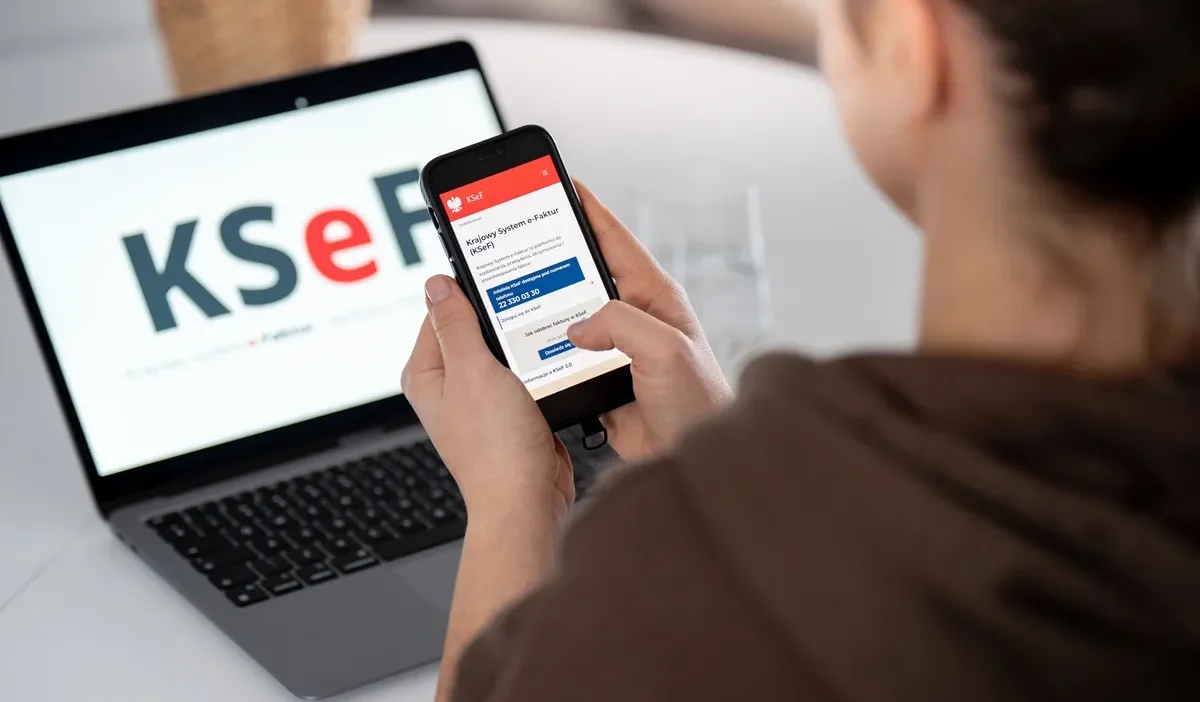
Poland is transitioning to mandatory structured e-invoicing through the KSeF system, impacting B2B transactions starting in 2026, with phased implementation based on company size.
KSeF Implementation: A Revolution in Polish Accounting
The implementation of KSeF represents a significant change in Polish accounting practices. From 2026, structured e-invoices will become the sole legally accepted form for B2B transactions. A key change is that a document is considered issued and delivered upon receiving a unique identification number from the Ministry of Finance’s system.
Obligation to Issue Invoices in KSeF – When Does it Begin?
The obligation to use KSeF is not being introduced simultaneously for all businesses. The legislator has planned a phased rollout, primarily based on the scale of operations. This means different groups of entrepreneurs will be required to issue invoices at different times, while the obligation to receive them will be unified.
Implementation Schedule Based on Company Size
Large companies – with sales exceeding 200 million PLN in 2024 – will be among the first to adopt KSeF. Medium and small businesses – with sales up to 200 million PLN in 2024 – will follow. Micro-enterprises will be subject to the system for sales up to 10,000 PLN per month.
KSeF 2026 Transitional Period and Subsequent Enforcement
2026 will serve as a transitional period, allowing taxpayers to adapt to the mandatory KSeF system. Until December 31, 2026, there will be no penalties for non-compliance. From January 1, 2027, the KSeF legal framework will be fully enforced.
What Types of Invoices are Issued in KSeF?
The National e-Invoice System handles structured invoices, which are documents in XML format compliant with the logical structure defined by the Ministry of Finance.
Does KSeF Apply to All Invoices?
The KSeF obligation primarily concerns transactions between businesses (B2B). This means it does not generally apply to invoices issued to individual consumers.
Who Can Issue an Invoice in KSeF?
An invoice in KSeF can be generated not only by the taxpayer themselves but also by other individuals or entities formally authorized to do so.
Preparing for Your First KSeF Invoice
Adopting KSeF requires more than just a technical change; it necessitates streamlining the invoicing process within a company. Preparation focuses on three key areas: access to KSeF, assigning permissions and organizing the process, and selecting invoicing software.
Step-by-Step Guide to Issuing an Invoice in KSeF
The process involves obtaining access to KSeF, choosing invoicing software, logging in and authenticating, filling in invoice details, verifying the invoice, sending it to KSeF, and archiving it for future access.
Common Errors When Issuing KSeF Invoices
Frequent issues include errors in XML format, incorrect data entry, and problems with authentication.
Correcting Errors in KSeF Invoices
KSeF does not allow for invoice cancellation; a correction procedure must be followed. A corrective invoice must include details of the original invoice and the corrections made.
KSeF: A Complete Digital Transformation
KSeF represents a complete digitization of invoicing, requiring adjustments to procedures, understanding of new rules, and preparation for working in an electronic document environment. Access to the National e-Invoice System is automatically granted to sole traders, while companies require access through ZAW-FA or a qualified digital certificate.