


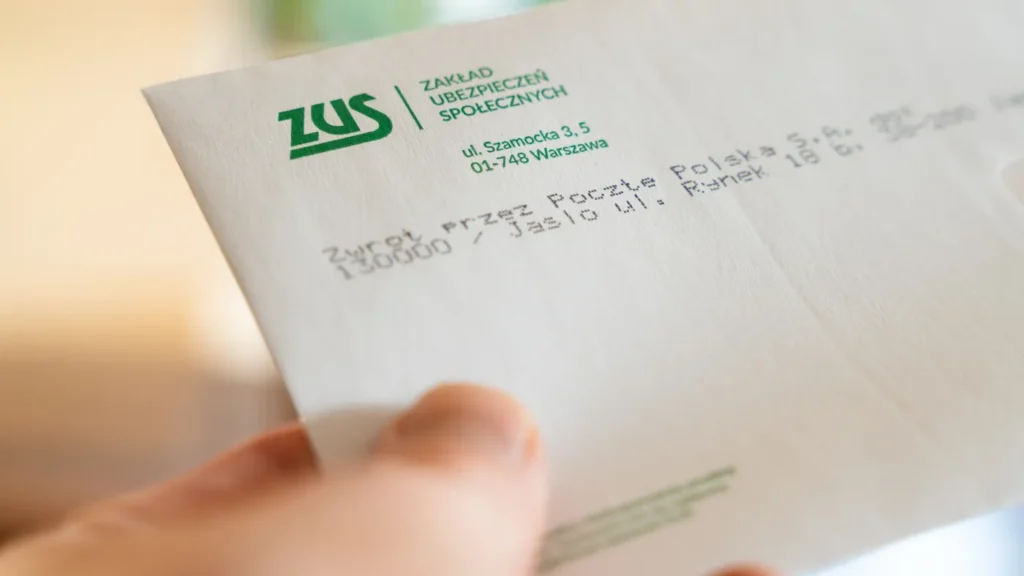
Poland’s Social Insurance Institution (ZUS) may seek repayment of benefits, but overpayments aren’t always subject to return, depending on the circumstances.
When Benefits Are Considered Improperly Received
The concept of improperly received benefits is key. The social insurance system doesn’t address every situation where ZUS paid out too much, but rather cases defined in regulations. Generally, this concerns benefits paid out despite a lack of entitlement or in an amount higher than due, especially when the recipient was informed of certain circumstances or knowingly failed to inform the agency of changes affecting their benefit eligibility.
ZUS’s Right to Demand Repayment
ZUS can demand repayment primarily when the benefit recipient:
Common Situations Leading to Repayment Requests
Frequently, these situations involve errors or omissions related to income reporting, changes in employment status, or failure to disclose relevant information to ZUS.
When Repayment Isn’t Straightforward
A simple overpayment doesn’t automatically create a repayment obligation. The fact that ZUS made an error in calculating or paying benefits doesn’t automatically determine whether a refund is required. It also matters whether the recipient knew, or should have known with due diligence, that the benefit was paid improperly.
Time Limits for ZUS to Seek Repayment
Regulations provide time limitations. Generally, ZUS cannot demand repayment for periods longer than 12 months or, in some cases, up to 3 years retroactively, depending on the circumstances.
Interest on Repayments
Interest is a complex issue. ZUS provides for the accrual of statutory interest on the repayment of improperly received benefits, but the method and timing of repayment are significant. If the amount due is paid within the deadline specified in the decision, no interest is charged for the period after the decision is issued until the date of payment.
Repayment Procedure
The obligation to repay doesn’t arise automatically. ZUS issues a decision specifying:
Common Recipient Errors
Problems frequently arise from a lack of proper notification to ZUS regarding changes in circumstances, failure to understand benefit regulations, or incomplete applications.
Summary
Not every overpayment of a ZUS benefit automatically triggers a repayment obligation. The reason for the improper payment, whether the recipient was properly informed, and whether they knew or should have known the benefit wasn’t due are decisive. Before repaying funds or accepting a ZUS decision as final, a thorough review of the legal basis and circumstances is essential.
FAQ – Frequently Asked Questions
1. Must every ZUS overpayment be repaid? No. The mere fact of an overpayment doesn’t automatically create an obligation to repay. It matters whether the recipient was informed and knew they weren’t entitled to the benefit.
2. Can ZUS demand repayment after a long time? Yes, but within the limits specified by law: generally up to 12 months or 3 years retroactively, depending on the circumstances.
3. Can a ZUS decision be appealed? Yes. A decision can be appealed to the district court – labor and social insurance court – within one month of its delivery.
4. Is interest always calculated the same way? No. It depends on the principles indicated in the decision and the payment deadline. If the amount due is paid within the deadline specified by ZUS, no interest is charged for the period after the decision is issued until the date of payment.
5. Can you apply for relief in repayment? Yes. It is possible, for example, to apply for a waiver of the repayment obligation in certain cases.