On Nov 7, 2025, Warsaw’s Pole Mokotowskie park was updated with new plantings under the Climate Partnership program, bolstering the city’s biodiversity initiatives.
Climate-Partnered Planting Initiative
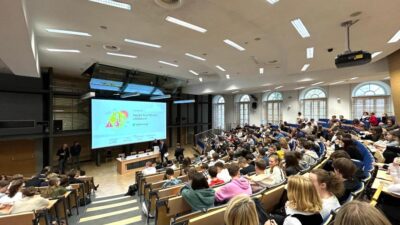
On 7 November 2025, Warsaw’s Pole Mokotowskie park was updated with new plantings as part of the Climate Partnership program, bringing together city authorities, universities, businesses, embassies and community groups to reinforce the city’s climate resilience. A subsequent ceremony in April 2024 planted cherry blossom trees in Sakura Park within the same grounds.
Historical and Ecological Context
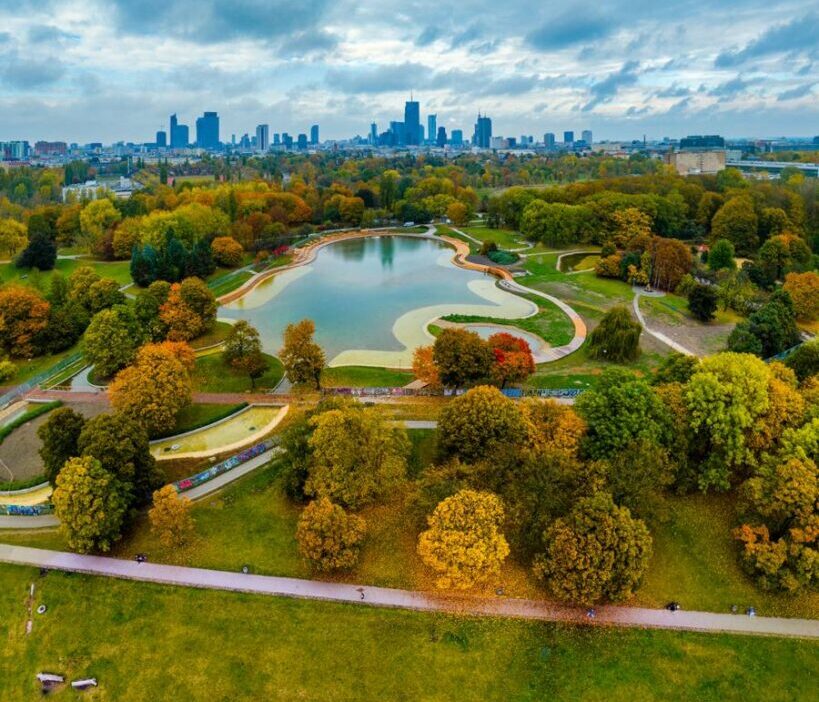
Following the completion of the park’s first modernization phase in late 2023, priority was given to naturalizing its water system: paved banks were replaced by reed beds, and the reservoir—along with its islands—was turned into a year‑round body of water equipped with self‑cleaning hydro‑botanical filters. The redesign also introduced biocenotic gardens, or “wetlands”, near the National Library, and added 74 new trees, over 6 000 shrubs, 17 000 perennials and nearly 2.37 ha of flower meadows.
Infrastructure Enhancements
New plank piers and paths circle the reservoir, complemented by rest areas, modest architectural features, entrance details, selective playgrounds and sensory gardens. The eastern side retains a historic geometric layout with a fountain and hedged borders, while the western side expands into open glades, water niches and a meandering stream, all aimed at boosting biodiversity, water retention and visitor comfort.
Biodiversity Gains
The latest plantings, carried out jointly by the city and program partners, further strengthen the park’s ecological functions, enhancing habitat diversity and water‑management capacity.
Urban Green Buffer
Today, Pole Mokotowskie acts as a green buffer in Warsaw’s centre, storing water, lowering temperatures on hot days, providing habitats for birds and pollinating insects, and offering expansive recreational space for residents of Ochota, Mokotów and Śródmieście.