

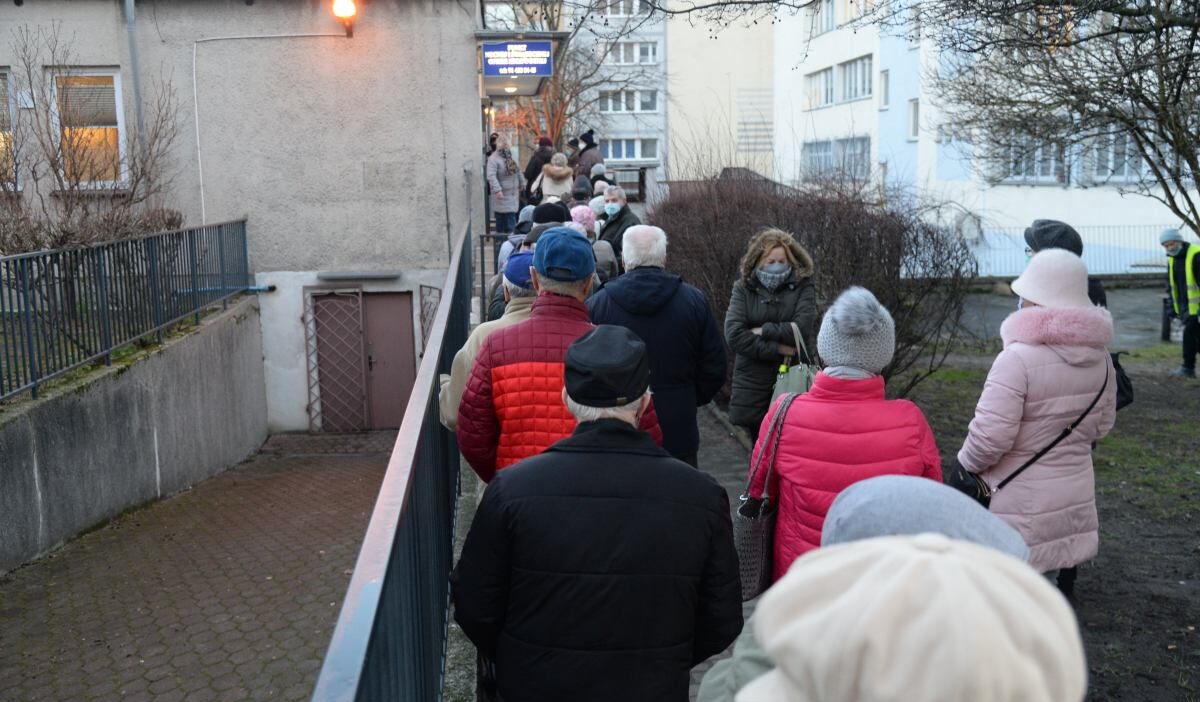
A December 2025 United Surveys poll asked 1,000 Poles what they fear most in 2026; 47.5% cited health‑care access, 45.3% feared personal or loved‑ones’ health decline, 44.2% feared national security.
Survey Synopsis
United Surveys’ poll, conducted on 19‑21 December 2025 for Wirtualna Polska, queried 1,000 respondents about their biggest 2026 anxieties. The top concern—access to health services—was chosen by 47.5 % of participants. Personal or loved‑ones’ health deterioration followed at 45.3 %, while fears over national security ranked 44.2 %.
Additional anxieties included political instability and internal disputes (43.3 %), rising cost of living (41.5 %), potential job or income loss (21.8 %), and climate change with extreme weather events (7.9 %). A small fraction expressed uncertainty (2.4 %) or listed other concerns (0.6 %).
Health‑Care Access Anxiety
In a separate study by Opinia24 on 1‑3 December commissioned by RMFFM, 41 % of Poles reported that their experience in outpatient clinics and hospitals has deteriorated over the past two years, whereas only 7 % observed improvement. A majority (38 %) noted no change and 14 % had no opinion.
The worsening situation is tied to fiscal challenges: the National Health Fund projects deficits of 14 billion PLN in 2025 and 26 billion PLN in 2026. Between 2024‑25, 1.3 billion PLN was allocated to primary care and 1 billion PLN to medical rescue, yet the 2026 budget anticipates 247.8 billion PLN for health—an increase of only 200 million PLN—underscoring concerns over efficiency and prolonged wait times.
Political Instability and Internal Tensions
Polish respondents placed political instability and internal disputes as the third‑most pressing issue for 2026 at 43.3 %. The data reflect growing apprehensions about the political climate within the country.
Cost of Living Pressures
The rising cost of living was reported by 41.5 % of the surveyed population, indicating widespread anxiety over inflation and economic burdens that could affect household budgets.
Employment, Income, and Climate
Job or income loss was noted by 21.8 % of participants, while only 7.9 % expressed concern about climate change and extreme weather events. These figures suggest that although environmental risks are present, they are ranked lower than immediate economic and health‑care concerns.


