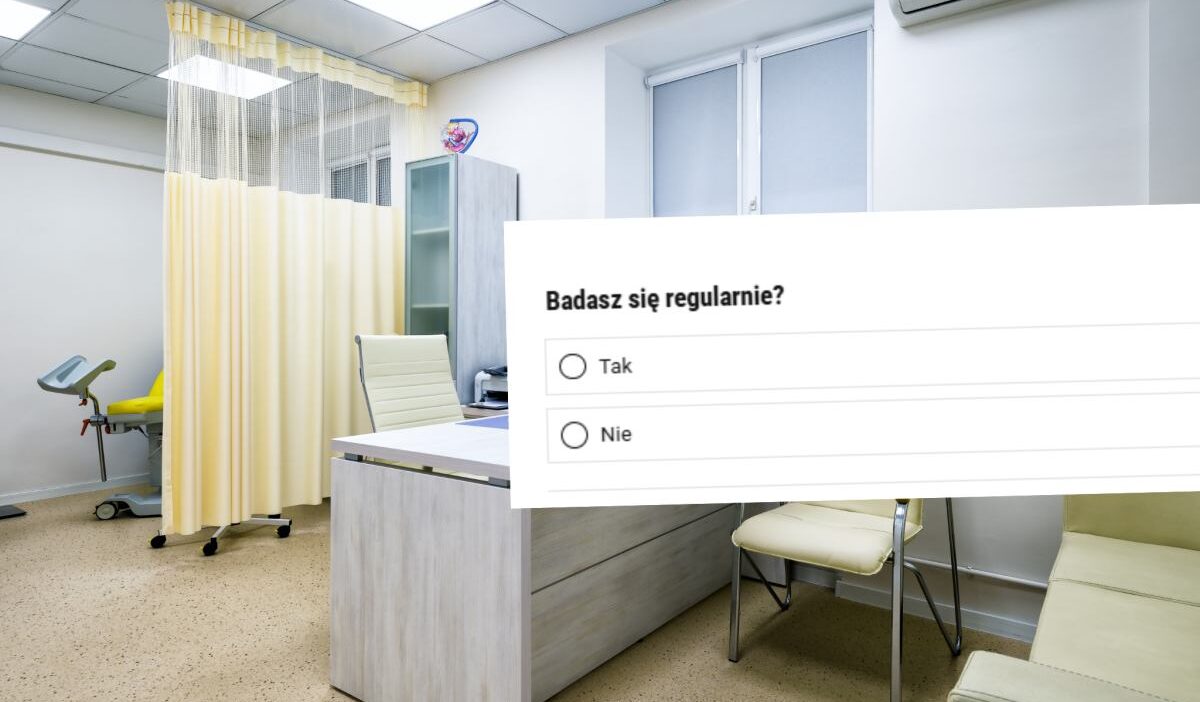
A reader poll reveals a divided approach to health, with a quarter of respondents admitting they skip regular check-ups despite the wake-up call from a politician’s cancer recurrence.
Public Diagnosis Sparks Reflection
The news of Katarzyna Piekarska’s cancer recurrence triggered a strong reaction among readers, prompting many to reflect on their own health. The topic of preventive screenings has returned with force, especially as the politician openly discussed how an early diagnosis influenced her life. A reader poll conducted alongside this story garnered 3,726 votes by the time of writing, with results dated January 5, 2026. The responses are thought-provoking and reveal a clear societal divide.
Majority Claim to Test, But Numbers Raise Questions
A decisive majority of poll participants marked a positive response. As many as 72.6 percent declared they undergo examinations regularly, which at first glance may inspire optimism. Such a result suggests growing health awareness and greater openness to prevention than just a few years ago. This shift may be influenced by high-profile stories from famous individuals and increasingly accessible testing, including mobile units.
However, the numbers do not provide a complete picture of reality. Declaring regular tests does not always mean consistency with medical recommendations. Some individuals perform them sporadically or only when something begins to trouble them. This shows that despite good results, there is still space for conversation about what prevention truly entails.
One in Four Skips Screenings Entirely
The poll results also show the other side of the coin. 27.4 percent of participants admitted they do not test regularly, which in practice means more than a quarter of voters. This group still avoids prevention, often due to a lack of time, fear of the result, or downplaying symptoms. Such a percentage is difficult to consider marginal, especially regarding diseases where early detection decides the effectiveness of treatment.
The “Nothing Hurts” Trap
A lack of regular testing is often the result of a belief that if nothing hurts, there is no reason for concern. Meanwhile, many diseases develop for years without clear signals. Stories similar to the one Katarzyna Piekarska described show how thin the line is between control and a delayed diagnosis. Publicly speaking about cancer has tremendous power—it can change prevention from an abstract slogan into real action. When a famous person shares their story, the topic of testing ceases to be taboo and begins to concern everyone. This is visible in reader engagement and the large number of votes cast in our poll. Such confessions trigger emotions, which are the best fuel for taking care of one’s own health.