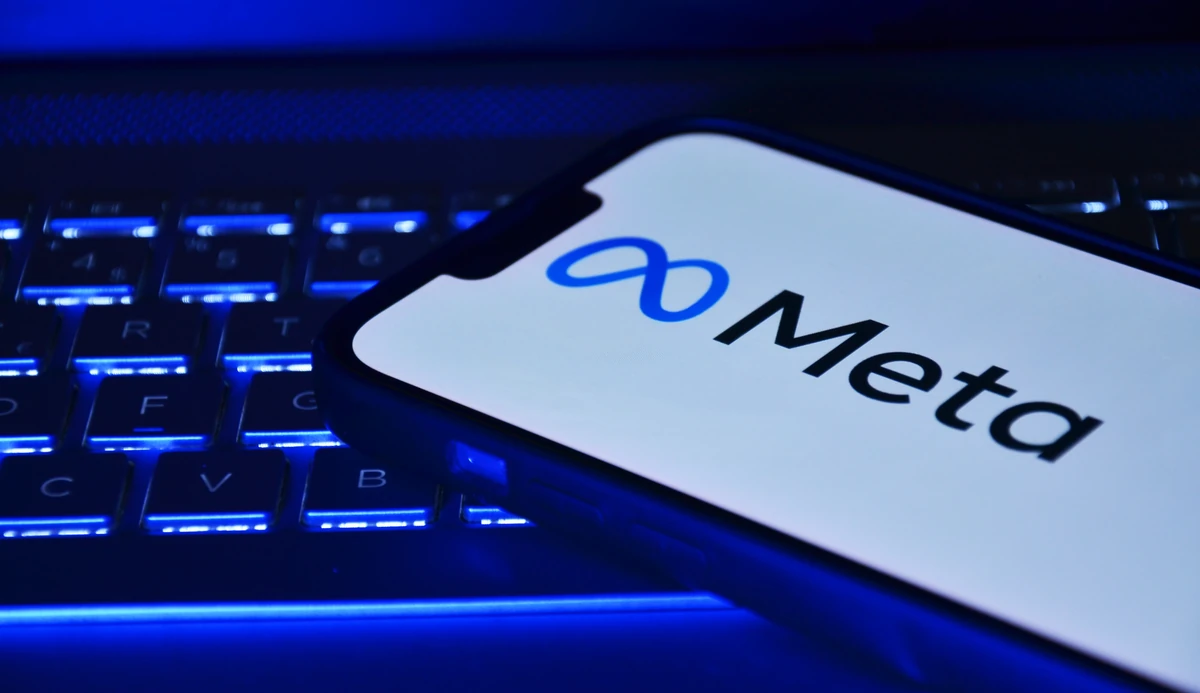
UOKiK accuses Meta of violating Polish consumer law by limiting user contact to forms, threatening a fine up to 10% of annual revenue.
Inadequate Contact Channels
Poland’s competition authority UOKiK states users can only contact Facebook or Instagram via electronic forms, which significantly hinders effective communication. The authority argues this violates regulations requiring businesses to provide clear, direct contact information like email and phone numbers when entering distance contracts with consumers.
Consumer Rights Violation
UOKiK emphasizes this obligation applies to global platforms generating revenue from users, through ads or ad-free subscriptions. The scale and international nature of a company do not exempt it from complying with Polish consumer protection laws. Exclusively relying on forms may leave consumers without viable means to defend their rights.
Meta’s terms of service, which constitute contracts with users, lack direct contact details for the enterprise. Users are instead directed to help centers and form-based systems, which only cover partial scenarios and prevent real dialogue with platform representatives.
Systemic Failures
Many users don’t receive copies of their submissions to their email, complicating evidence of complaints and claims for redress. This is critical in urgent cases like account takeovers, identity theft, or unauthorized profile misuse, where delays can cause significant financial or reputational damage.
Broader Regulatory Scrutiny
UOKiK’s action against Meta is not isolated. The authority is investigating the entire e-commerce sector regarding access to direct contact channels. Special attention is given to global service providers using uniform regulations and contact procedures for Polish consumers.
The authority asserts that business scale and automated customer service cannot override fundamental consumer rights protected under Polish and EU law.
Severe Financial Risk
If UOKiK’s allegations against Meta Platforms Ireland are substantiated, the company could face a financial penalty of up to 10% of its annual turnover. This would represent one of the highest possible sanctions under applicable regulations, underscoring the authority’s stance on enforcing effective consumer contact.