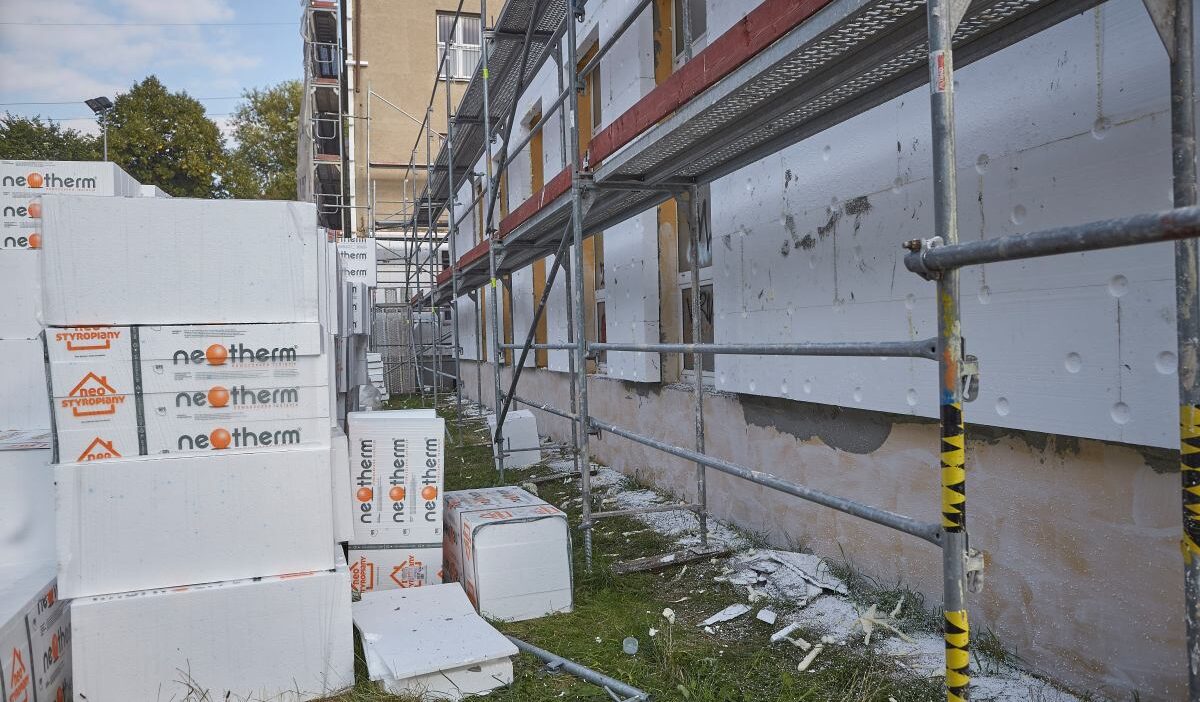
Polish right‑wing politicians warn that the European Union’s new building directive could force citizens to lose their roofs, while experts argue that widespread renovations would cut energy costs, lower emissions and create jobs.
EU Building Directive Under Scrutiny
The new EU building directive (EPBD) obliges member states to draft and implement renovation plans that improve the energy efficiency of buildings. The Polish government has eight months to transpose the directive into national law, with a 2024 deadline for submitting its national renovation plan.
Projected Costs and Savings
Experts estimate that annual costs for implementing the directive will reach about 35 billion zloty, while annual savings from lower heating expenses will be roughly 50 billion zloty. The financial analysis excludes indirect benefits such as reduced pollution and improved living comfort.
Emission Reductions and Health Gains
Renovations could cut CO₂ emissions from buildings by an additional 10 % and reduce suspended particulate matter by 25 %. Toxic benzo(a)pyrene emissions are expected to fall 44 %. These reductions could translate into fewer illnesses, avoided hospital visits and a lower risk of premature death.
Employment and Skills Gap
Implementation of the directive may create over 90 000 new jobs, yet today Poland lacks enough skilled workers to meet the demand. The directive’s requirements may therefore provoke a brain drain as workers move to other EU countries where renovation demand is already high.
Financing Challenges and Policy Uncertainty
Poland is still the only EU country without energy‑efficiency classes for buildings, a system that could help consumers understand and manage costs. Financing tools such as the modernisation tax relief, which costs the treasury 11 billion zloty annually, have unclear benefit outcomes. The future of the Clean Air program, the only large‑scale support for owners, remains uncertain.