Poland’s Supreme Administrative Court ruled Friday to recognize a same-sex marriage legally performed in Berlin, prompting outrage from the ruling Law and Justice party.
Ruling on Same-Sex Couple’s Case
The Supreme Administrative Court’s Friday ruling concerned the marriage of two Polish citizens legally concluded in Berlin in 2018. The couple sought to relocate to Poland and requested the transcription of their German marriage certificate into the Polish civil registry, but were initially denied due to Polish law prohibiting same-sex marriage.
In 2023, the court referred a preliminary question to the Court of Justice of the European Union (CJEU). Two years later, in November 2025, the CJEU ruled that member states are obligated to recognize same-sex marriages legally performed in another EU country, even if their own national law does not recognize such unions. The case returned to the Polish court following the CJEU’s response.
Court Decision and Mandate
On Friday, the Supreme Administrative Court overturned the decision of the Warsaw administrative court and the prior refusal to register the marriage certificate. It also mandated the head of the Warsaw civil registry office to transfer the certificate to the Polish registry.
PiS Reaction and Constitutional Concerns
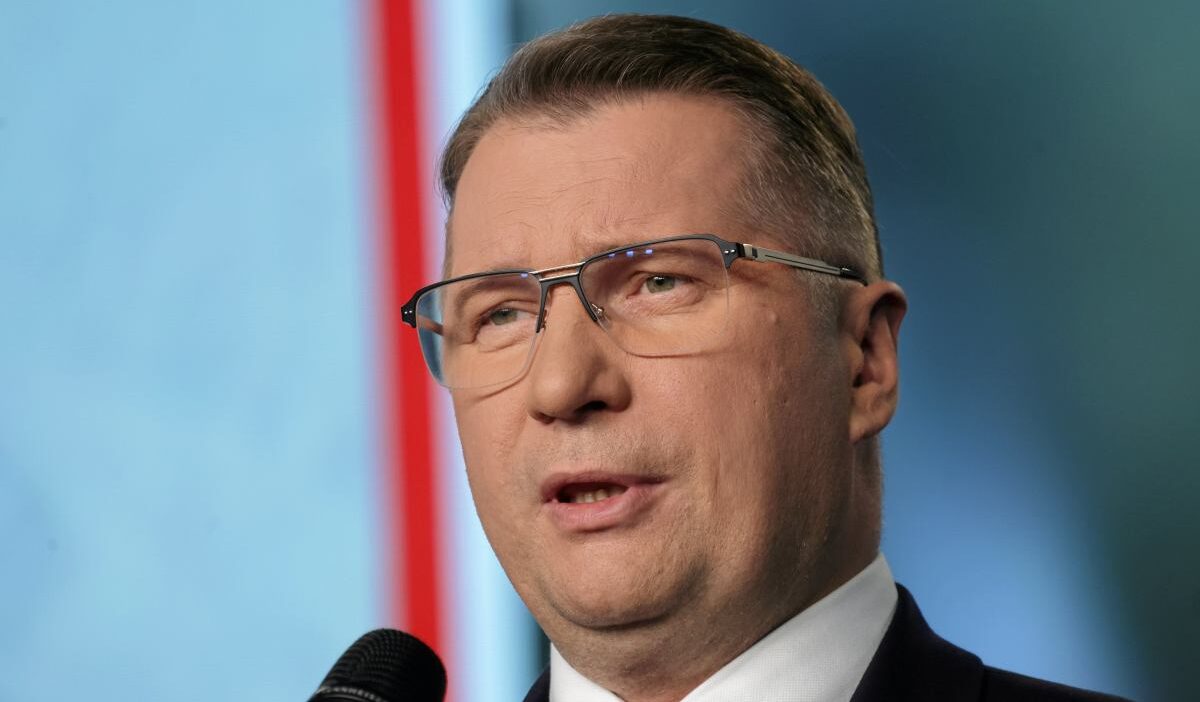
The ruling sparked strong opposition from the Law and Justice (PiS) party. Vice-President Przemysław Czarnek argued that marriage is defined as between a man and a woman under Article 18 of the Polish Constitution, calling the court’s decision “lawlessness,” “a violation of the rule of law,” and “an assault on reason.”
PiS MP Marcin Warchoł, also a legal scholar, claimed the ruling was “illegal and unconstitutional,” imposing solutions foreign to Polish law and culture. Europarliamentarian Marlena Maląg characterized the decision as an ideological intrusion “through the back door” without societal mandate.
Legal Challenge Planned
PiS politicians announced their intention to submit a request to the Constitutional Tribunal to review the constitutionality of the legal basis upon which the Supreme Administrative Court issued its ruling.
Support for the Ruling
The ruling was positively received by politicians from the New Left, and by Deputy Minister of Justice Dariusz Mazur.
EU Law and Freedom of Movement
Dariusz Mazur explained that the ruling is a natural consequence of the freedom of movement and residence within the EU, a key benefit of EU membership. Former Justice Minister and Ombudsman Adam Bodnar hailed the decision as a breakthrough for LGBT rights.
Constitutional Interpretation
The Supreme Administrative Court clarified that Article 18 of the Constitution, which protects marriage between a man and a woman, does not prohibit the recognition of other forms of unions regardless of gender, nor does it deny them any level of protection. Judge Leszek Kiermaszek stated that such an interpretation would conflict with the prohibition of discrimination based on sex and sexual orientation.