


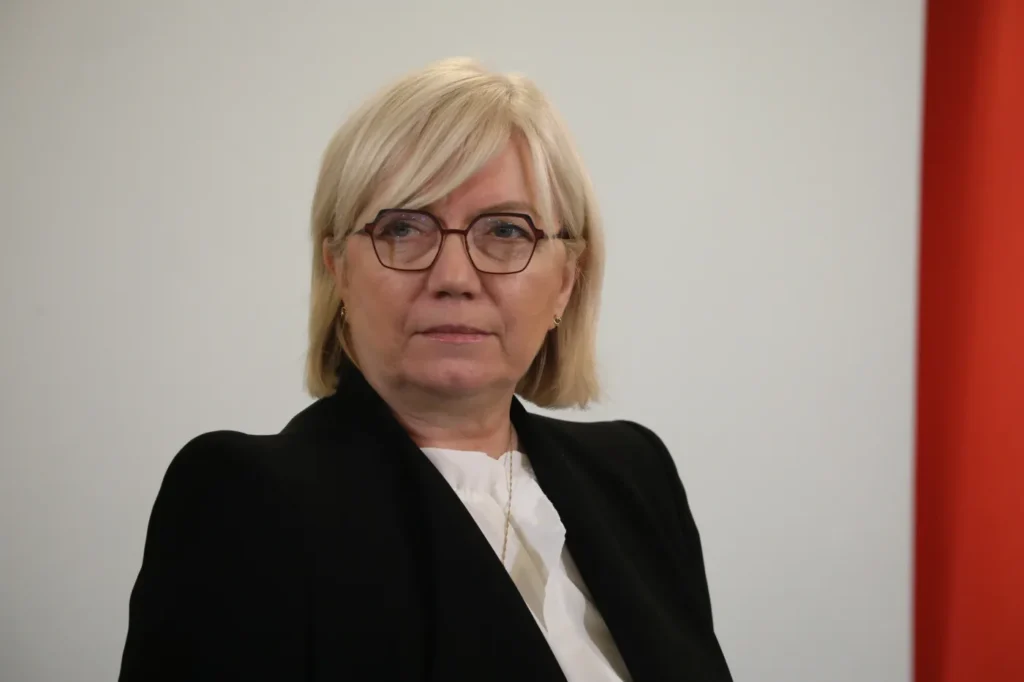
Poland’s Supreme Administrative Court ruled that citizens have a right to know when the President of the Constitutional Tribunal, Julia Przyłębska, took vacation in 2024.
Background of the Case
The case originated in December 2024 when a citizen requested information regarding the specific dates of Julia Przyłębska’s vacation in 2024, using the public information access mechanism. In February 2025, the citizen received a response stating Przyłębska took 92 days of vacation, which the citizen deemed insufficient.
The Constitutional Tribunal’s office initially argued that the provided information fulfilled the purpose of public information access, but the Voivodeship Administrative Court in Warsaw disagreed, stating the response did not fully address the inquiry.
Administrative Court Decisions
The Voivodeship Administrative Court ruled in favor of the citizen, asserting that the applicant defines the scope of the requested information and the authority is obligated to provide it in the requested format, provided the information exists and is not legally restricted.
Supreme Administrative Court Ruling
The Supreme Administrative Court upheld the lower court’s decision, finding that the authority had failed to act. The court clarified that its review focused solely on whether the request concerned public information and whether the obligated entity provided it within the statutory timeframe.
The NSA emphasized that the court’s review at this stage did not encompass questions of whether providing the information was possible or if it would infringe on privacy or other legally protected secrets.
Defining Public Information
The NSA defined public information as encompassing all facts related to public affairs and the public sphere of activity. It noted that the right to vacation is a work-related, individual right applicable to all employees, including public officials.
Therefore, information regarding the vacation of a public official must be directly linked to the performance of public duties. The court determined that this connection exists for the head of an institution, as their absence impacts the institution’s functioning and requires implementing substitute arrangements.
The NSA concluded that information about the President of the Constitutional Tribunal’s vacation days pertains to public affairs, revealing how the authority operates in fulfilling its public functions, such as directing the Tribunal’s work and representing it externally.
Legal Basis
The ruling acknowledges that recognizing information as public does not automatically mandate its disclosure.