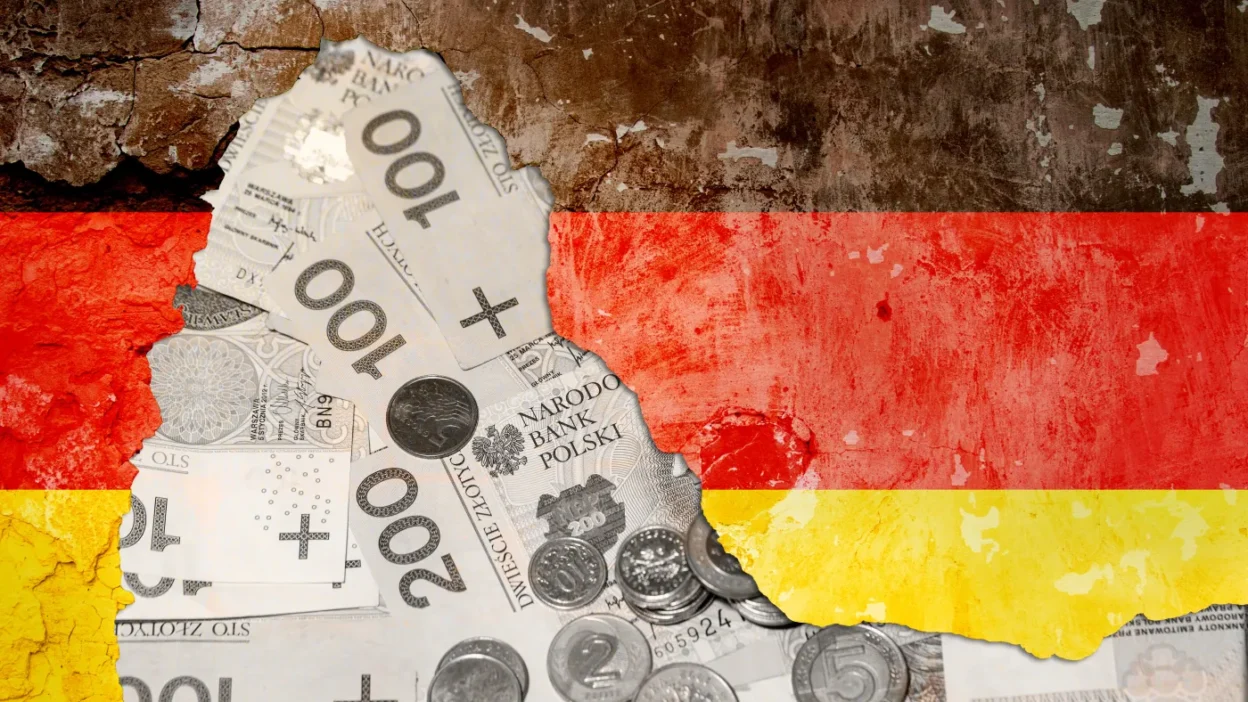
Polish companies are increasingly investing in Germany, acquiring businesses and offering a solution to economic challenges and succession issues.
German Market Attracts Polish Investment
Polish firms are expanding their presence in Germany beyond export and trade cooperation, now making real investments and acquiring local businesses.
Previously, Polish activity in Germany primarily supported exports; now, companies are increasingly establishing subsidiaries or acquiring German firms.
Growing Number of Acquisitions
The scale of this trend is growing rapidly. Deutsche Welle reports only two such acquisitions occurred two years ago, while at least nine were recorded in the following year—and the actual number may be higher.
Drivers of Expansion
Experts point to two main reasons for this expansion: the financial difficulties faced by many German companies due to the economic crisis, making their valuations more attractive to investors, and a lack of successors in family-owned businesses, leading to sales to foreign investors.
Pekabex Example: “Made in Germany” Appeal
Deutsche Welle cites the example of Polish group Pekabex, which acquired a small family firm in Bavaria. This allowed them to enter the German market under the “made in Germany” brand, which still enjoys greater trust than “made in Poland.”
The acquisition preserved production, jobs, and provided a better understanding of the local market and its regulations.
“A Lifeline” for Local Communities
Polish investors are viewed positively in Germany, unlike some foreign corporations, as their goal is typically to maintain production rather than relocate it.
As an expert quoted by Deutsche Welle emphasizes, they are seen “rather as a lifeline,” preserving jobs and business continuity.
Most acquired firms continue to operate in Germany, often with new organizational solutions and capital support.
A New Stage in Economic Relations
This trend marks a clear shift in economic relations between Poland and Germany. Poland is moving beyond being solely a recipient of investment and becoming an active player in one of Europe’s most important markets.
Deutsche Welle’s analysis shows Polish companies are increasingly not only competing in the German market but also playing a key role in stabilizing local economies, particularly where capital or successors for family businesses are lacking.