Poland’s government announced plans to lower fuel VAT and excise taxes, facing criticism that the response to rising prices came too late and is incomplete.
Government Announces Fuel Price Measures
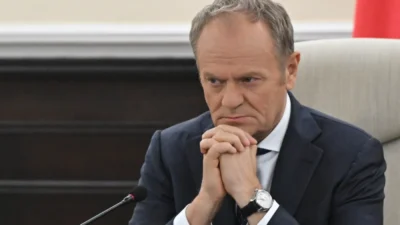
Prime Minister Donald Tusk announced an extraordinary cabinet meeting for Thursday at 6 PM to decide on measures to lower fuel prices. The plan includes reducing VAT on fuels from 23% to 8% and lowering excise duties to the minimum levels required by EU regulations – 29 groszy for gasoline and 28 groszy for diesel.
Presidential Office Criticizes Delayed Action
Paweł Szefernaker, head of the President’s Chancellery, stated that the government’s reaction to rising fuel prices was delayed by weeks, noting diesel prices increased by over 2 złoty before action was taken. He emphasized the plan only partially addresses the problem of high prices at gas stations.
President Urgently Awaits Legislation
Szefernaker added that the President urgently expects the legislation, suggesting the government acted hastily due to pressure. He questioned whether a genuine plan would necessitate such a rushed response.
Price Controls and Excess Profit Tax Considered
The government initiative also proposes a maximum retail price for fuels during the period of reduced tax rates. Energy Minister Miłosz Motyka will determine the daily maximum prices. Tusk indicated a tax on excess profits of fuel companies will be implemented, arguing that their profits increase with rising prices.
Legislative Timeline and Senate Preparedness
Sejm Marshal Włodzimierz Czarzasty announced that the government’s proposals regarding excise and VAT reductions will be debated in the Sejm on Thursday from 8:30 PM. The Sejm’s senior convention will expand the agenda to accommodate this.
Senator Małgorzata Kidawa-Błońska, currently in Berlin, stated her visit to Germany will be shortened to attend a Senate session convened for Friday at 2 PM. She affirmed the Senate is prepared to begin work on the bill immediately after it passes the Sejm, emphasizing the importance of timely action before the holidays.
Geopolitical Factors Impacting Oil Prices
The closure of the Strait of Hormuz by Iran in response to Israeli-American strikes on February 28th, which handles approximately 20% of global oil transport, contributed to a surge in energy prices. Brent crude oil reached nearly $100 per barrel on the world markets on Thursday morning (March 26th).