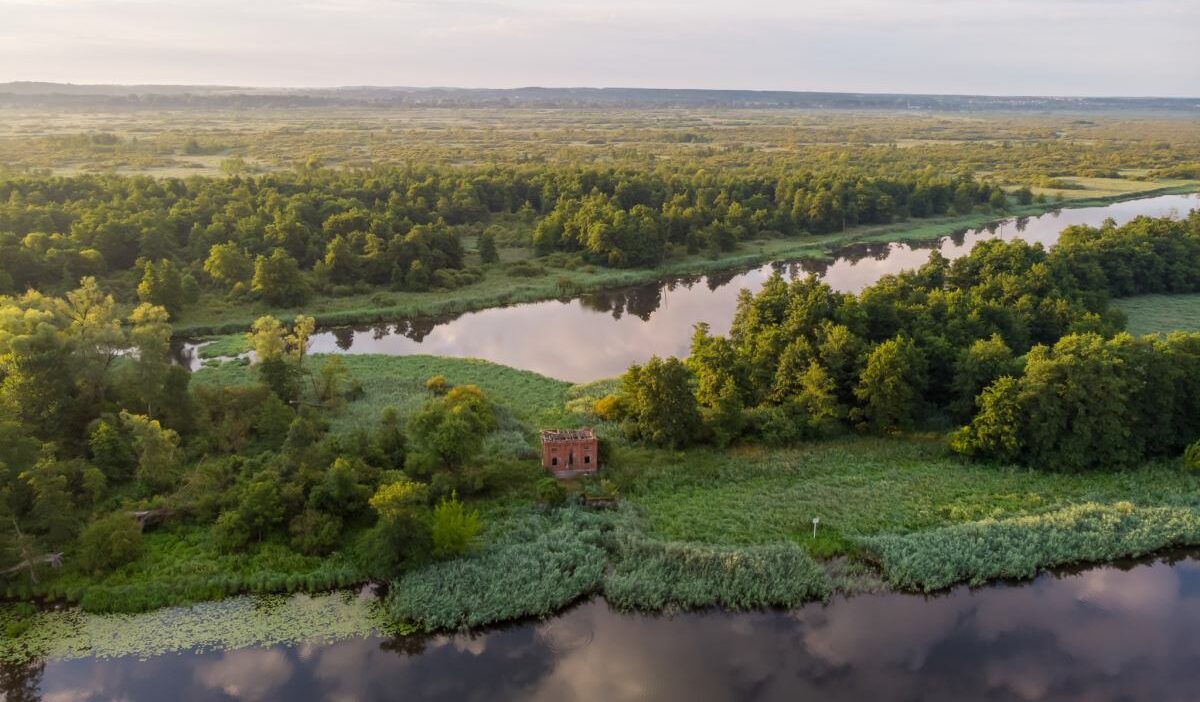
The Polish government is exploring three alternatives to avoid President Karol Nawrocki’s veto on establishing a national park along the Oder River.
Meeting Discusses Options for Oder National Park
On Thursday, the Climate Ministry held the first meeting since the presidential veto, reviewing how to better protect the area intended for the new national park. Local councils, the Sejm and the Senate had approved the proposal, but President Nawrocki blocked its creation.
Three Recommendations Presented by Climate Ministry
Minister Paulina Hennig‑Kloska outlined three options: (1) enlarge an existing national park, such as the nearby Woliński NP, by adding the new territory; (2) establish a large nature reserve, requiring only a government decision; and (3) launch a citizen‑initiated legislative proposal.
Consulting Local Governments
Hennig‑Kloska said these alternatives deserve presentation to local councils. She will visit Szczecin on Monday to discuss which path the councils prefer.
Assessing the Alternatives
A new national park would serve as a symbol and tourist attraction, boosting the local economy. Expanding an existing park or creating a reserve would be less straightforward and could provoke controversy, especially since some national parks cover noncontiguous areas across multiple provinces.
Citizen Initiative and Legal Hurdles
Launching a citizen‑initiated bill would need 100,000 signatures, yet the law could still face a presidential veto. The political cost of overturning a popular public choice is, however, higher than a unilateral veto.
Minister Debunks Presidential Claims About Navigation
Hennig‑Kloska rejected Nawrocki’s claim that the park would hinder Oder River navigation, describing it as a falsehood. She noted that the river does not cross the proposed park area and that the law grants water‑authority rights to maintain navigation within the park boundaries.
Conservation Priorities in the Oder Region
The minister highlighted the park’s environmental importance, citing 220 bird species, 21 of which are listed as endangered in Poland. She emphasized the necessity of the park for protecting these vulnerable species.