The Polish People’s Party (PSL) is advocating for a three-month ban on publishing poll results before elections, citing concerns about influencing voter perception, according to a recent SW Research poll for “Wprost.”
Public Support for a Polling Ban
A SW Research poll conducted for “Wprost” surveyed respondents on their support for a three-month ban on the publication of polls before elections. The results showed 38.7% in favor, 33.4% opposed, and 27.8% undecided.
Gender Differences in Opinion
Detailed results revealed differences in opinion based on gender. Men were more likely to support the ban (41.1% vs. 36.5%) and oppose it (39.4% vs. 27.8%) compared to women. Women exhibited a significantly higher rate of indecision, at 35.7% compared to 19.5% among men.
Current Regulations and PSL Concerns
Current Polish electoral code prohibits the publication of polls for 24 hours before election day. PSL officials express fears that polls can destabilize the campaign and do not always accurately reflect public opinion.
PSL Arguments for a Ban
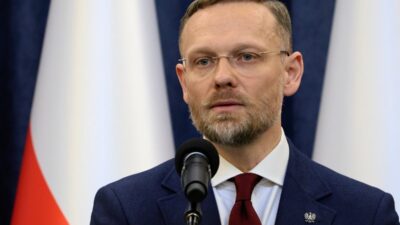
Piotr Zgorzelski, Vice-Marshal of the Sejm from PSL, stated in February that a ban would ensure a clearer and fairer campaign. Miłosz Motyka, Minister of Energy (PSL), added on Wednesday that the party fears the influence of polls on perception, citing examples of similar restrictions in Italy and Spain.
Concerns About Poll Accuracy and Origin
Motyka also questioned the reliability of published polls, suggesting some may originate from sources outside of Poland, such as Moscow. He noted that PSL has been consistently underestimated in previous polls and believes they often aim to shape voter behavior rather than reflect it.
The Impact of Polls on Voter Behavior
Experts point to phenomena like the “bandwagon effect,” where voters support the perceived frontrunner, and the “underdog effect,” where voters rally around a struggling party. These effects can influence voting decisions.
Historical Context and Expert Opinions
PSL previously proposed a seven-day ban in 2014. Sociologist Adam Gendźwiłł argued that polls provide valuable information to the public and aid in decision-making, emphasizing the importance of a pluralistic media landscape and independent research centers.