


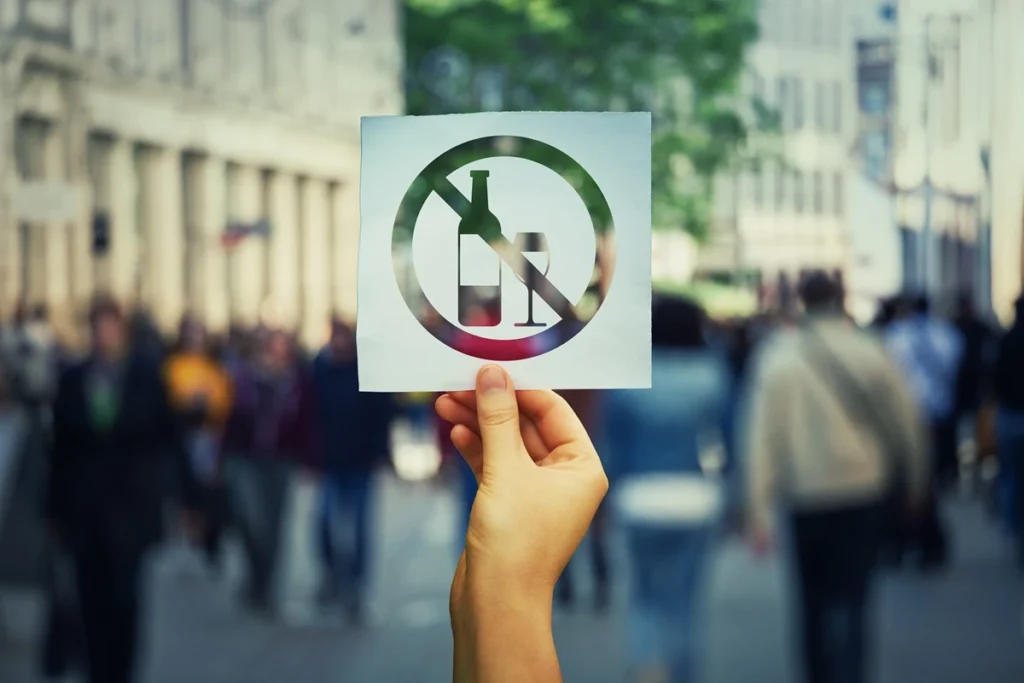
Polish MPs have introduced bills to restrict alcohol availability, targeting promotions and sales at gas stations.
Restricting Alcohol Sales – But How?
During Friday’s first reading in the Sejm, MPs considered two proposed amendments to the Sobriety Education and Alcoholism Prevention Act. The first, submitted by The Left (document no. 2007), proposes radical restrictions on physical alcohol availability. The second, by Poland 2050 (document no. 2010), focuses on financial aspects, increasing municipal powers, and combating marketing tricks such as so-called “alcohol tubes” or non-alcoholic beverages that deceptively resemble their alcoholic counterparts.
End to “Free” Beer in Discount Stores?
The debate strongly highlighted the problem of aggressive price marketing used by major retail networks. MP Grzegorz Lorek pointed out the mechanism of quantity promotions, which he claims artificially drive consumption and bypass the idea of responsible retail. This refers to popular promotions like “8+8 free” or “12+12,” which make alcohol an impulse product purchased during daily grocery shopping.
“Alcohol should not be a tool to attract customers and increase basket size through freebies. This product is no real economic benefit to the customer; it’s financed through margins on other products. In practice, this is an evasion of social responsibility in retail,” argued Grzegorz Lorek. The new regulations are to introduce a minimum sales price that cannot be lower than the sum of excise tax and VAT, which would effectively eliminate the possibility of offering alcohol at dumping prices.
How Much Does Excessive Alcohol Consumption Cost Poland?
Arguments about losses to the state budget, which often appear in the context of restricting alcohol trade, were countered with hard data on healthcare and social assistance costs. According to analysis presented by MP Joanna Wicha, the socio-economic costs of alcohol abuse in Poland currently reach an astronomical 180 billion złoty annually. These include expenses for treatment, police interventions, the justice system, and lost GDP due to premature death or disability.
Particularly striking is the comparison of tax revenues with costs of eliminating drinking effects. As noted in the debate, for every zloty that enters the budget from alcohol excise duty, the state must spend 4 zloty on assistance to addicted individuals and their families. This situation also affects the youngest – it is estimated that in Poland, over 900,000 children live in families with alcohol problems, which accounts for as much as 13 percent of the entire population in this age group.
Gas Stations or 24-Hour Monopoly Stores?
One of the most contentious points in the debate was the proposal for a complete ban on alcohol sales at gas stations. According to Joanna Wicha, gas stations in Poland have in practice become 24-hour points of sale for alcoholic beverages, which contradicts road safety and promotes a “drinking while traveling” model. The proposers argue that a gas station should serve refueling and vehicle servicing, not be the main source of alcohol supply after 22:00. Opponents of the ban, however, point to potential losses for owners for whom alcohol margins constitute a significant percentage of revenue, especially in smaller localities where the gas station is the only commercial point open late.
Concerns About Polish Winemaking and Online Sales
Despite broad support for the idea of protecting health, warning voices were not lacking in the Sejm. MP Łukasz Horbatowski from the Civic Coalition emphasized that the law must not only be effective but also proportional, so as not to destroy legally operating, small businesses. Particular concerns relate to Polish winemaking, craft brewing, and cider production, which in many regions, such as Lubuskie or Lower Silesia, form the foundation of local tourism and cultural heritage.
The proposed ban on alcohol sales online was also criticized. Opponents of this solution point out a paradox: Polish consumers will not be able to order wine from a winery in Kazimierz Dolny, but will be able to buy it without obstacles from a Czech winery, putting domestic producers in a worse competitive position.
Restricting Alcohol Sales – The Poland 2050 Project
The Poland 2050 project also envisages significant strengthening of the role of municipalities. Local governments are to be given greater freedom in setting the nighttime “alcohol quiet,” as well as additional funds. A doubling of fees for issuing permits for the sale of alcoholic beverages is proposed. Additional revenues are to, among other things, fund sports activities for children, which is to be a form of health prevention.
Currently, over 180 municipalities in Poland have already decided to introduce nighttime sales restrictions. According to the authors of the projects, these municipalities assess the effects of such decisions uniformly positively, noting fewer interventions by law enforcement services and improved safety for residents. The new regulations are to make the fight against excessive alcohol availability the standard rather than the exception, which is expected to bring measurable health effects in the next decade.
Both projects have been referred for further work in parliamentary committees.