Polish local governments are transitioning from plastic bio-waste bags to mandatory bins, sparking controversy over costs and hygiene concerns.
Changes to Bio-Waste Collection Spark Controversy
Changes to bio-waste collection are taking effect in Polish municipalities, generating increasing debate. Local authorities are moving away from plastic bags in favor of mandatory containers, citing environmental and economic reasons.
However, some residents are raising concerns about new costs, hygiene issues, and disruptions to daily life.
New Regulations Require Dedicated Bins
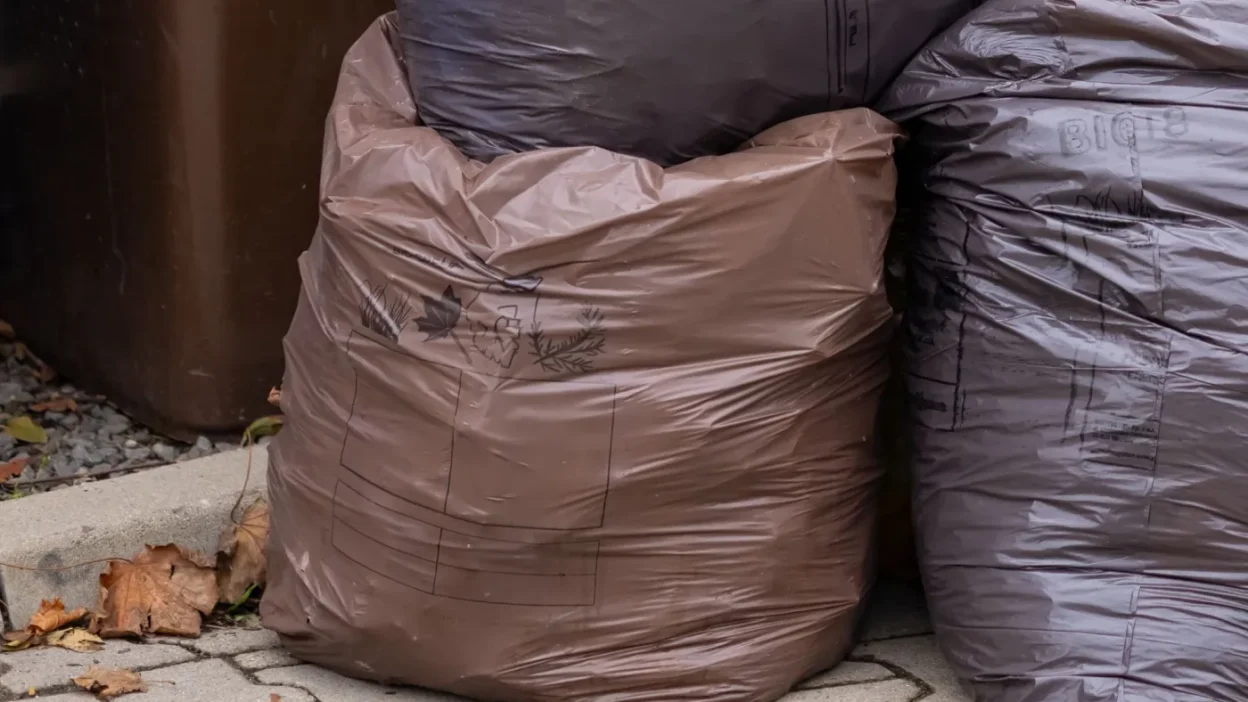
Under the new regulations, bio-waste must be collected exclusively in designated containers, eliminating the use of plastic bags. Residents needing more capacity can purchase additional bins at their own expense, with no quantity limit.
Drop-Off Option Remains Available
Municipalities allow excess bio-waste to be taken to Municipal Selective Waste Collection Points (PSZOK). Waste can be brought in any type of bag, but must be emptied into the appropriate container on-site.
Broader Trend Towards Improved Waste Segregation
This shift aligns with a wider trend in Poland, with more municipalities phasing out bags for other waste fractions like glass and paper. This is driven by stricter quality and recycling targets imposed by the European Union.
Resident Opposition and Petitions Filed
The new regulations have met with resistance from some residents. One municipality has already received three petitions calling for a change in policy. Petitioners argue the bagless system places additional burdens on users.
Hygiene and Maintenance Concerns Raised
Residents point to the need for frequent cleaning and disinfection of containers without bags, incurring costs for water and cleaning supplies, as well as time.
Odor and Sanitation Issues Anticipated
Concerns are also being raised about potential odors. Storing bio-waste directly in containers during warmer months could lead to faster decomposition, attracting insects and worsening sanitation around properties.
Cost of Containers Impacts Garden Owners
A major concern is the cost of purchasing additional containers, particularly for homeowners with gardens, where the volume of bio-waste—grass, leaves, branches—is significantly higher.
Some residents may be forced to buy several, or even dozens, of containers, representing an expense of hundreds, or even thousands, of złoty. Petitioners argue this shifts the cost of waste management onto citizens.
Challenges for Elderly and Those Without Transport
The situation is particularly challenging for elderly individuals and those without access to transportation, for whom independently delivering bio-waste to PSZOK points may be difficult.
Municipalities Cite Improved Segregation Quality
Local authorities argue the move away from bags primarily aims to improve the quality of waste segregation. Plastic bags are a significant contaminant in bio-waste streams, hindering processing and increasing system costs.
Plastic Contamination Impacts Processing Efficiency
At bio-waste processing facilities, such as composting and biogas plants, the presence of plastic requires additional raw material purification, increasing operational costs and lowering compost quality.
Similar Issues with Glass and Paper Recycling
A similar problem exists with glass and paper. Even small amounts of plastic contamination can make these materials difficult or impossible to recycle, or reduce their market value.
Educational Campaigns and Changes in Other Cities
Some cities are launching information campaigns to encourage residents to stop using bags. Gdańsk’s “Throw Without a Bag” campaign aimed to raise awareness of the impact of proper segregation on recycling efficiency.
The campaign emphasized that plastic bags should go into plastic containers, even if used to collect other waste. Their presence in bio-waste, paper, or glass causes significant technological complications during processing.
Other Municipalities Implement Similar Changes
Changes are also being implemented in other parts of the country. Gdynia has already banned bio-waste bags, except those made entirely of biodegradable materials. The municipality of Lubań has eliminated bags for glass, paper, and plastic collection.
Growing Waste Volumes and System Pressure
Changes to the waste collection system are a response to the increasing volume of municipal waste in Poland. Eurostat data shows that while waste generation is increasing, Poland remains below the EU average in terms of waste per capita.
However, the country must achieve increasingly high recycling rates—a minimum of 55% of municipal waste must be recycled by 2025, with further increases in subsequent years.
Bio-waste is a key fraction in this system, and its proper segregation directly impacts the achievement of required levels and the reduction of landfilling.