


A Polish delegate participating in the Global Sumud Land Convoy has been detained by forces loyal to General Khalifa Haftar in eastern Libya, leaving her current status and whereabouts unknown.
Detention of the Humanitarian Convoy
Rafał Piotrowski, spokesperson for the Polish section of the Global Sumud Flotilla, confirmed on Monday, May 25, that a Polish delegate was detained on Sunday by forces under the command of General Khalifa Haftar, the self-proclaimed leader of eastern Libya. Piotrowski stated that contact with the woman has been lost, and her fate remains unknown.
Palestinian activist Omar Faris reported via social media that ten members of the humanitarian mission were abducted by occupation forces. He identified the Polish detainee as Laura Kwoczała, noting that the group also includes citizens from Spain, the United States, Argentina, Uruguay, Portugal, Tunisia, and Italy.
Timeline of the Mission
According to the spokesperson, the convoy departed from Algeria, with the group joined by the Polish delegate in Libya on May 7. Following training, the convoy began its journey but was stopped on May 17, approximately six kilometers from the eastern Libyan border.
Piotrowski noted that contact with the entire group was severed around 4:00 PM on Sunday following the detention. He added that they remain in constant communication with Polish consular services regarding the situation.
Diplomatic Response and Context
Polish Ministry of Foreign Affairs spokesperson Maciej Wewiór confirmed on Monday that the ministry is investigating reports regarding the detention. He assured that consular services are currently in contact with Libyan authorities.
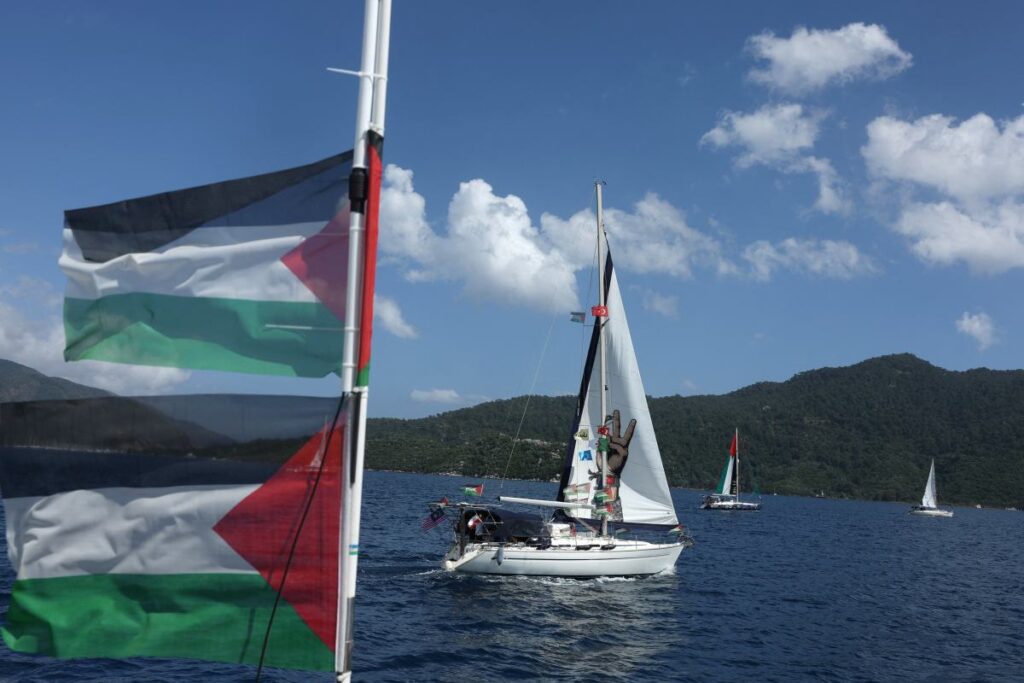
The Global Sumud Land Convoy comprises over 200 participants from 25 countries, acting as the land-based equivalent of the Global Sumud Flotilla. The initiative aims to break the Israeli blockade of the Gaza Strip and establish a humanitarian corridor, though Israel alleges the effort is supported by Hamas.
Safety Warnings and Libyan Instability
Libya remains deeply divided between a western government recognized internationally and eastern territories controlled by General Khalifa Haftar and the self-proclaimed Libyan National Army. The country has faced ongoing internal conflict since the fall of Muammar Gaddafi in 2011.
Due to the unpredictable security environment and risk of further destabilization, the Polish Ministry of Foreign Affairs explicitly advises against all travel to Libya. Polish citizens currently in the country are urged to leave immediately.