


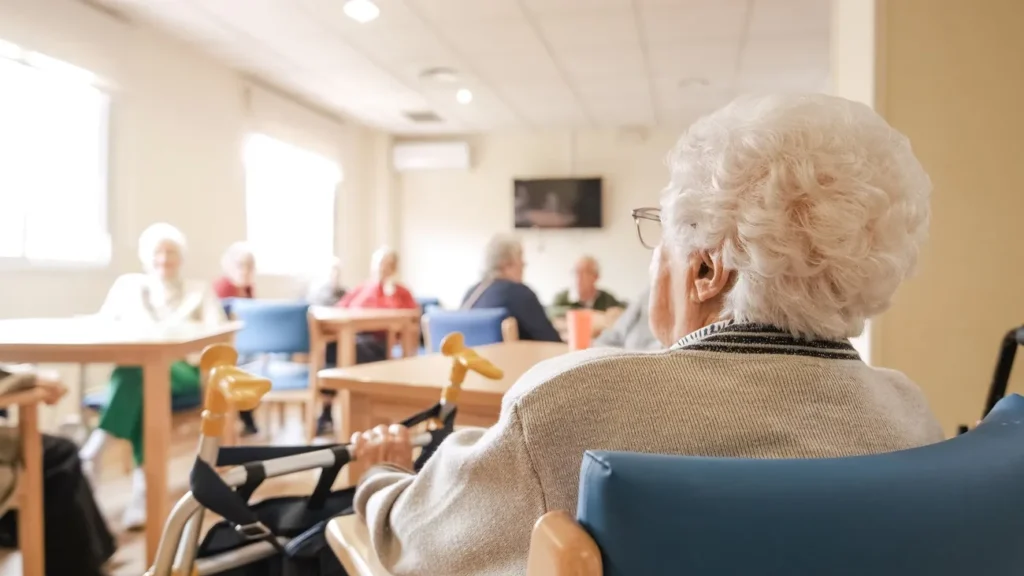
State-run nursing home fees in Poland are projected to rise significantly by 2026, potentially exceeding 30,000 zł per month, placing a growing financial burden on seniors and their families.
2026 Nursing Home Fee Increases
Costs for stays in state-run nursing homes (DPS) in Poland are set to increase in 2026, ranging from just under 6,000 zł to over 30,000 zł monthly. Data from local governments reveals substantial price increases and significant disparities between facilities.
In practice, seniors are often forced to contribute the majority of their pensions, with families or municipalities covering the remaining costs. The question arises: where do these costs originate, and who ultimately bears the financial responsibility for care?
How Nursing Home Fees Are Determined
The average monthly cost of a DPS resident is determined annually by the facility’s governing body, typically the city mayor or district administrator. This calculation is based on actual expenses from the previous year.
New rates are published as ordinances in the Public Information Bulletins and official journals, usually in the first quarter of the year. These documents form the basis for calculating resident fees throughout 2026, ultimately leading to invoices that increasingly exceed 8,000–10,000 zł per month.
Price Variations Across Poland
A comprehensive table detailing nursing home costs across Poland, from the least to the most expensive, has been compiled. Data was collected from cities and districts including Warsaw, Krakow, Wrocław, Sopot, Gdynia, Kalisz, Toruń, Suwałki, and the Krakow, Białystok, and Warsaw West counties.
The price range is substantial: the cheapest DPS costs 5,870 zł per month, while the most expensive reaches 30,187.65 zł per month. These differences are influenced by location, facility profile, and the level of care provided.
Factors Driving Up Costs
Price differences in 2026 are significant, reflecting the varying levels of care offered. Less expensive facilities, often located in smaller towns, provide basic care and subsistence support. More expensive centers offer specialized care with a higher staff-to-resident ratio and a wider range of services.
The Centrum Wsparcia Społecznego “Na Targówku” in Warsaw exemplifies this trend, offering a modern, fully accessible complex with over 4,000 square meters of space, comprehensive therapies, and individualized care. With only 40 beds, it provides a high level of personalized attention, resulting in a monthly cost of up to 30,000 zł.
Who Pays for Nursing Home Care?
The payment system for DPS is defined by the social assistance law, but often causes family tensions. Seniors can contribute a maximum of 70% of their income towards the cost of their stay. If a pension is 4,000 zł, the DPS receives a maximum of 2,800 zł, with the remainder needing to be covered from other sources.
When the senior’s income is insufficient, families may be required to contribute, especially with costs ranging from 8,000–10,000 zł monthly. In many cases, approximately 85% of DPS costs are covered by local governments, funded through taxes.
Upcoming Legislative Changes
The government is working on legislative changes that may significantly impact who is responsible for paying for DPS care. The proposed changes would include individuals who transfer ownership of their property to avoid care costs.
The goal is to prevent situations where seniors transfer assets to qualify for municipal funding. If enacted, these changes could require more families to contribute to the cost of care, even if they were not previously obligated.
Reasons for Rising Costs
Several factors contribute to the increasing costs of DPS, including rising labor costs, increased demand for specialized care, and the need for modern facilities and equipment.
As a result, DPS is becoming one of the most expensive components of the social care system.
Example Cost Calculation
Consider a scenario where a resident’s monthly costs total 14,550 zł. With the senior contributing 70% of their 4,000 zł pension (2,800 zł), a remaining balance of 11,750 zł needs to be covered. If the family’s income exceeds the threshold, the municipality may require them to pay a portion or all of this amount. Otherwise, the municipality will cover the difference.
Exemptions and Exceptions to Fees
The law provides for potential exemptions from DPS fees, either full or partial, based on individual circumstances, such as financial hardship or disability.
Decisions are made by the local social welfare center after conducting a thorough assessment of the individual’s situation.