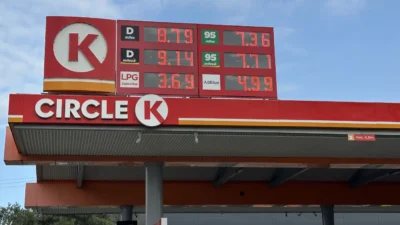
The Polish Sejm passed legislation to lower fuel prices through tax reductions, aiming for immediate relief for drivers and businesses.
Fuel Price Reduction Package Approved
The Sejm approved a package of laws designed to directly impact fuel prices in Poland. The new regulations include significant tax cuts intended to lower costs for both drivers and transport companies.
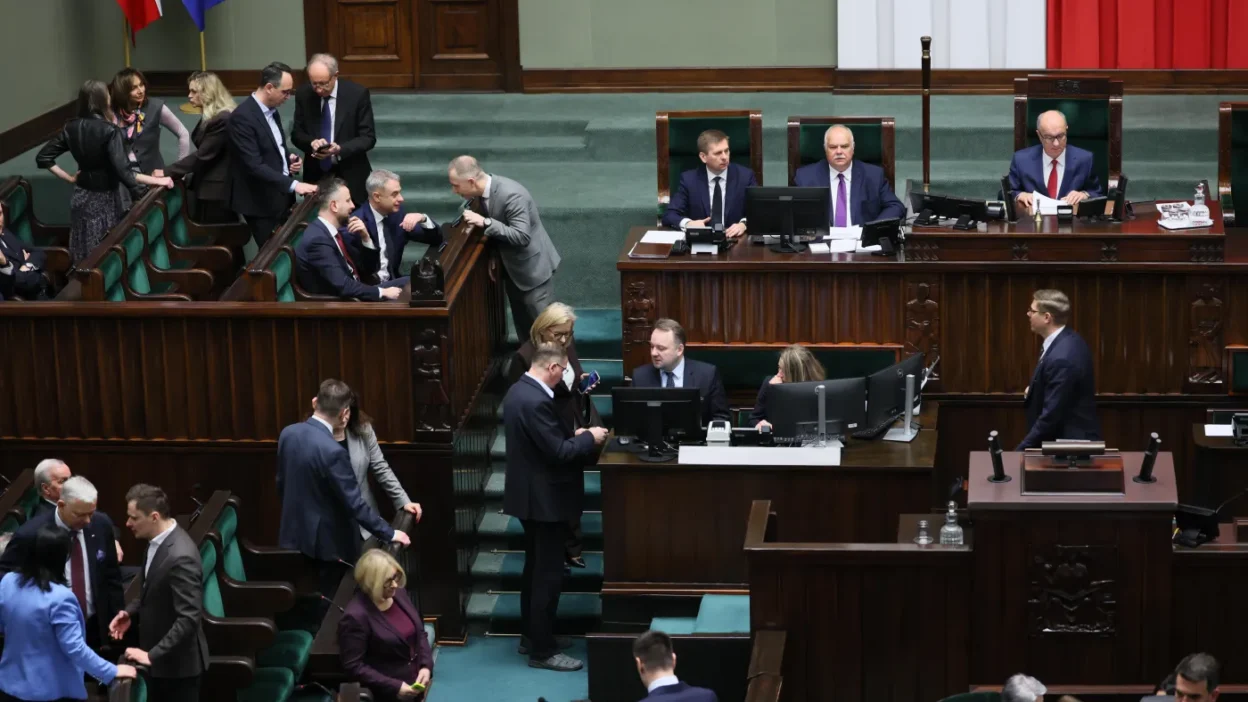
Friday’s vote saw a large majority of lawmakers support the government’s proposed changes to fuel market regulations, with 428 votes in favor, 12 against, and no abstentions. This strong majority indicates broad political support for measures to reduce fuel costs.
Scope of the Legislation
The package includes amendments to several legal acts, including the Act on oil, petroleum products and liquefied petroleum gas reserves, as well as regulations concerning the National Revenue Administration and excise duty. The changes are systemic, affecting both the country’s fuel security mechanisms and direct fiscal burdens.
VAT and Excise Duty Reductions
A key element of the new regulations is the reduction of taxes on fuel. The government decided to reduce the VAT rate from 23% to 8%, representing one of the largest interventions in the tax system in this area in years.
Simultaneously, excise duty will be reduced to the minimum level permitted by European Union law. This translates to a decrease of 29 groszy per liter on gasoline and 28 groszy per liter on diesel.
Government Rationale
Prime Minister Donald Tusk emphasized during the presentation of the project that these measures are intended to provide real relief to drivers and entrepreneurs. He stated that the government had prepared a reduction in the VAT rate on fuels from 23% to 8% and a reduction in excise duty to the EU minimum.
Rapid Legislative Process
The legislative process proceeded exceptionally smoothly. The draft laws were adopted by the government at an extraordinary session on Thursday, with their first reading in the Sejm taking place the same day. The second reading was conducted on Friday morning, followed by a vote.
The Senate is expected to consider the laws today. The rapid pace of work is due, among other things, to the pressure of rising living costs and public expectations for lower fuel prices.
PiS Support Despite Kaczyński’s Reservations
The project also received support from the opposition, including the Law and Justice (PiS) club. As party leader Jarosław Kaczyński had previously announced, the group would vote in favor of the changes despite some reservations.
Kaczyński pointed to a problem related to the structure of implementing regulations, stating that decisions should be made in the law rather than by ministers through regulations.
Impact on Economy and Inflation
Experts indicate that lower fuel prices could have broader consequences for the economy, as fuel is a key cost component in transportation and influences the prices of goods and services throughout the economy.
Lower VAT and excise rates could help limit inflationary pressure, particularly in sectors such as logistics, trade, and production. However, economists emphasize that the scale of actual price reductions at gas stations will depend on global market conditions, including oil prices and the exchange rate of the złoty.