The Polish Sejm and Senate have passed legislation aimed at lowering fuel prices, with a government official predicting swift presidential approval.
Fuel Price Reduction Legislation Approved
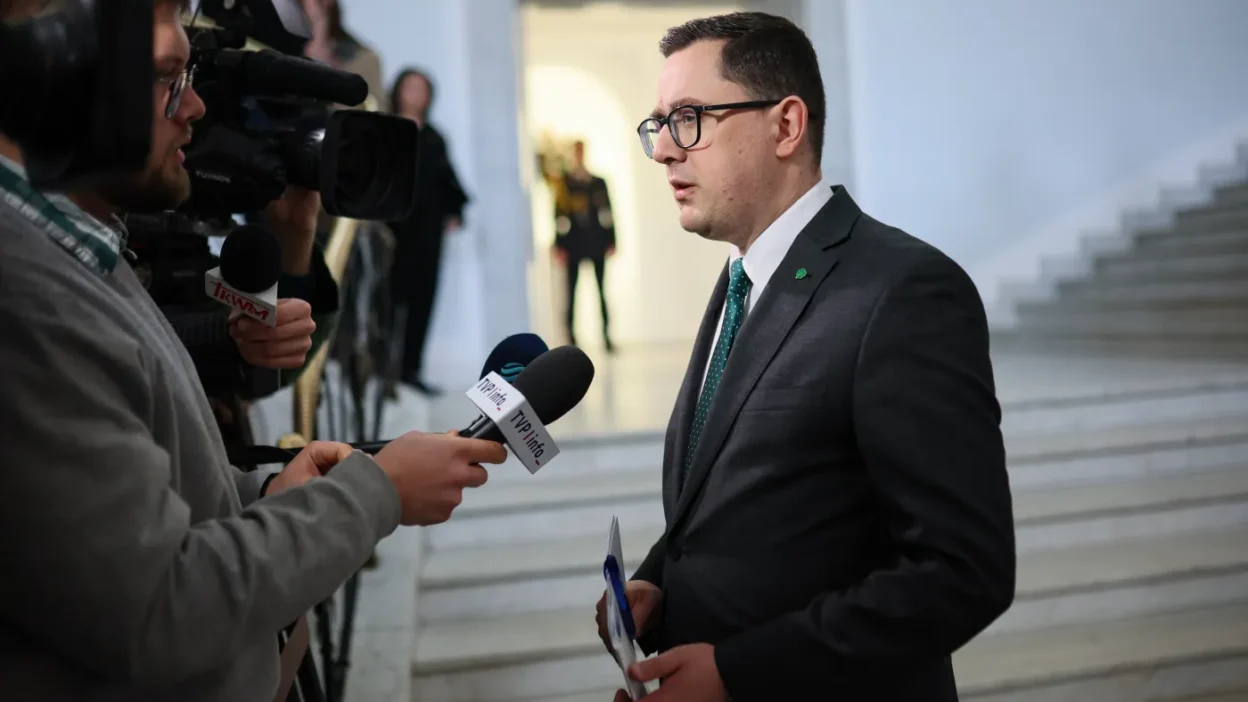
The Sejm and Senate have adopted government-drafted bills designed to reduce fuel prices. The package of laws is intended to quickly lower costs at gas stations, according to Miłosz Motyka, who believes the President will sign them today.
The new regulations establish a maximum price mechanism and temporary tax changes, which the government asserts will directly translate to lower prices at gas stations. The Senate approved the fuel laws without amendments, sending them to the President’s desk.
Key Elements of the Package
The package consists of two main components: the introduction of an official maximum price for gasoline and diesel fuel, calculated based on wholesale prices and station operating costs (transport, energy, infrastructure maintenance); and tax changes allowing the government to temporarily reduce excise duty via regulation, without requiring legislative amendments.
This approach is intended to accelerate the state’s response to dynamic fuel market changes.
Price Mechanism and Tax Changes Explained
The opposition has criticized the government for delaying the decision. The government responds that a thorough analysis of the situation was crucial. Motyka asserts the solution is “maximally flexible,” linking the mechanism to a maximum price to “directly translate reductions to prices at stations.”
He argues that past experience showed tax changes alone did not guarantee lower prices for drivers.
Government Opts for Mixed Approach
The government has chosen a mixed model, avoiding specific VAT and excise rates in the law and instead relying on implementing regulations. Motyka emphasizes the importance of a well-designed and effective price reduction mechanism over hasty action.
This approach allows for a responsive reaction to global oil and fuel price changes and avoids legislative delays.
Opposition Challenges the Regulations
The opposition does not dispute the need for price reductions but questions the structure of the legislation. Rafał Bochenek argues the law only authorizes the government, without mandating VAT and excise tax reductions.
PiS politicians propose that lower tax rates be explicitly written into the law and remain in effect until at least the end of June, seeking a legal guarantee.
Concerns Over Government Control and Predictability
Critics argue the lack of such provisions gives the government full control over tax policy in the short term, warning that tax rates could be raised again. They also suggest the regulation-based mechanism could create market unpredictability for consumers.
Government Defends the New Mechanism
Ruling coalition representatives counter these arguments, citing past experiences. Jarosław Urbaniak explains that significant tax laws cannot be changed “quickly” without analysis, noting previous PiS tax cuts did not fully translate into lower prices at the pump.
He adds that intermediaries benefited from the previous measures.
Ensuring Price Reductions Reach Consumers
The government believes the new mechanism will be more effective, with the maximum price limiting margins and forcing the transfer of reductions to consumers. Motyka explains the mechanism is linked to wholesale prices and operating costs to prevent such issues.
The state will continuously monitor the market and respond to any irregularities.
Addressing Potential Fuel Shortages
Concerns have been raised about potential fuel shortages, similar to those experienced in Hungary after the introduction of administrative prices. The government assures that Poland is not at risk.
Motyka mentions tools to react to potential disruptions, including limiting fuel exports, controlling flows, and combating “fuel tourism.” He states, “Please believe, there will be no shortage of fuel at gas stations.”
Temporary Nature of the Regulations
The new regulations are temporary, remaining in effect as long as the volatile situation in commodity markets persists. Motyka notes that intervention will not be necessary if the situation stabilizes, allowing the mechanisms to expire when oil and fuel prices return to more predictable levels.