Poland’s Sejm began debating legislation to curb rising fuel prices on March 27th, sparking a contentious exchange involving criticism of the government and defense of Donald Trump.
Fuel Price Legislation Under Debate
On Friday, March 27th, the Polish Sejm commenced a second reading of two draft laws aimed at limiting fuel price increases at stations. The government intends to lower fuel excise duties through a regulation and introduce maximum fuel prices.
The legislation concerns an amendment to the Act on oil, petroleum products, and natural gas reserves, as well as procedures in situations threatening the state’s fuel security and disruptions in the oil market. It also addresses the National Revenue Administration Act and a proposed amendment to the excise tax act.
Fiery Exchange in Parliament
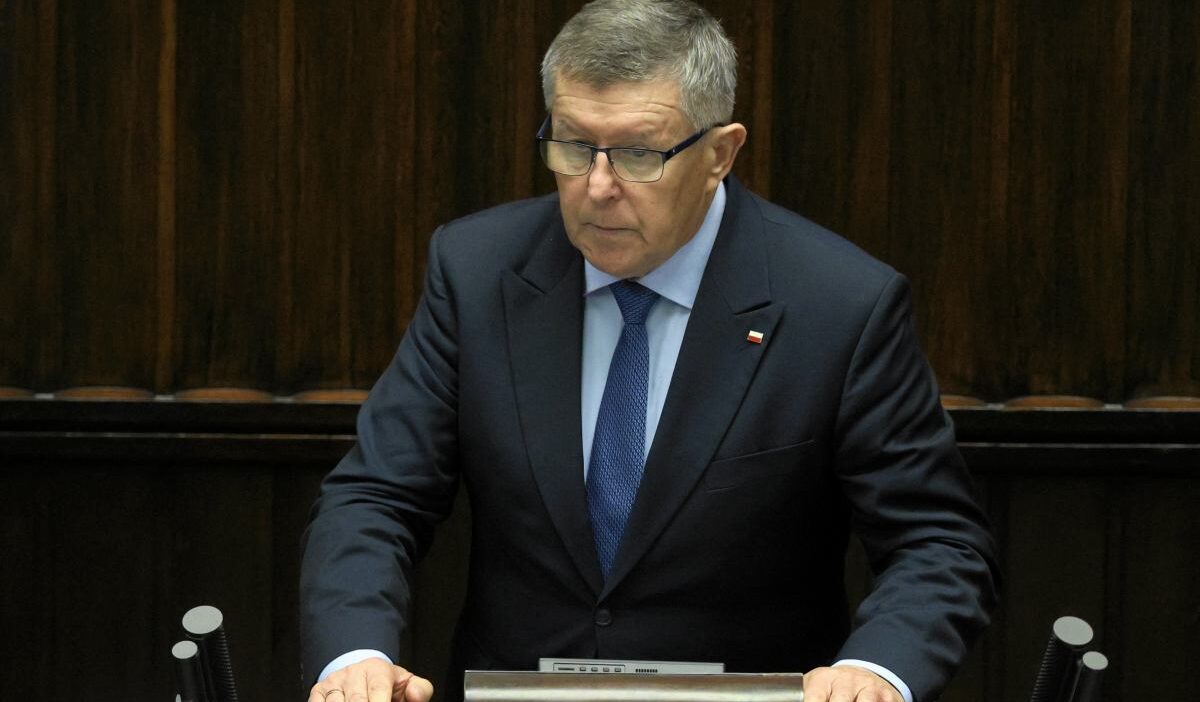
During the Sejm session, Zbigniew Kuźmiuk, a PiS MP, criticized the Donald Tusk government and defended former U.S. President Donald Trump. He stated that attacks were made on Trump and the USA, a strategic partner of Poland.
Kuźmiuk accused the government of “wiping their mouths with Trump,” who he claims guarantees Poland’s security, labeling such actions as “pro-Russian” and referring to opponents as “Russian lackeys.”
Concerns Over Fuel Costs and Farmer Impact
Kuźmiuk asserted that Polish citizens had paid an additional 2 billion złoty at gas stations, questioning whether this money would be returned to them. He noted that the price of crude oil is now lower than during the 2022 fuel crisis, yet fuel prices remain high.
He highlighted the impact on farmers, citing high diesel prices and expensive fertilizers due to rising gas prices, with a lack of real aid.
Opposition Response and Accusations
Jarosław Urbaniak of the Civic Coalition (KO) described Kuźmiuk’s speech as “desperate,” suggesting PiS is facing serious difficulties. Tomasz Trela of the Left party criticized Kuźmiuk’s use of the term “Russian lackeys,” turning the accusation back on the PiS party.
Trela pointed to recent meetings between Mateusz Morawiecki and Viktor Orbán, and Karol Nawrocki with Orbán, noting Orbán’s close ties with Vladimir Putin, questioning who the “Russian lackeys” truly are.
Government Proposals for Price Control
The government’s proposed changes to the excise tax act would allow excise rates to be lowered by regulation. Previously, the Prime Minister announced a reduction in excise duty to the EU minimum: 29 groszy per liter of gasoline and 28 groszy per liter of diesel.
The second draft outlines a precise mechanism for calculating price limits, based on the average wholesale fuel price, plus excise duty, fuel surcharge, a sales margin of 0.30 zł per liter, and VAT. Selling above the maximum price could result in fines up to 1 million zł, with the National Revenue Administration conducting inspections.
Legislative Progress and Implementation Timeline
The Sejm’s finance committee approved both projects on Thursday, March 26th, following their adoption at an extraordinary cabinet meeting. The government intends to reduce VAT on fuels from 23% to 8% and excise duties to the EU minimum.
A maximum retail fuel price will also be established, determined daily by the Minister of Energy based on average wholesale prices and operating costs of major suppliers. The new regulations are expected to take effect before Good Friday, April 3rd.