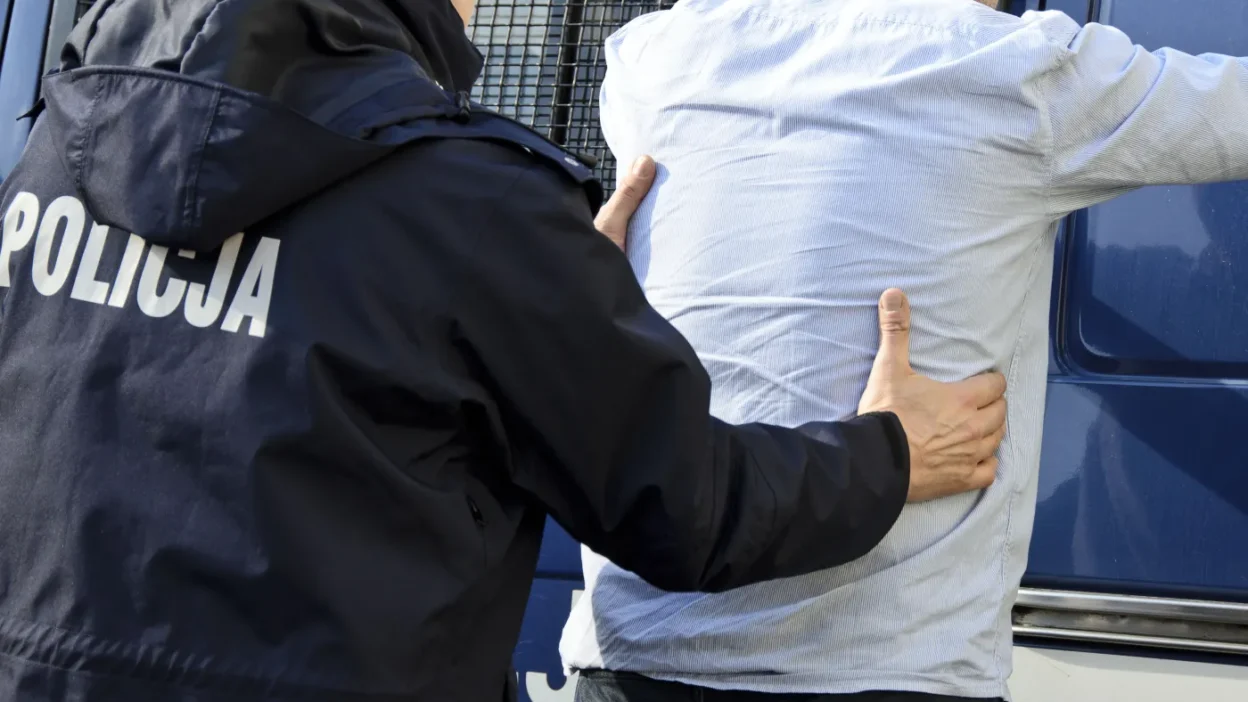
Polish police recorded nearly 106,000 interventions involving individuals with mental health issues last year, a significant increase from 68,000 in 2020.
Police Increasingly Respond to Individuals with Mental Health Issues
The number of police interventions involving individuals with mental health disorders and exhibiting unusual behavior, including those under the influence of drugs, has risen year after year, according to Deputy Head of the KGP, Inspector Dr. Rafał Kochańczyk.
Enhanced Police Training for Challenging Situations
Police officers are undergoing training to handle such situations effectively. These interventions are exceptionally difficult, often precluding the use of physical force, necessitating specialized training for preventative service officers.
Training Numbers and Curriculum
By 2025, 20,000 preventative service officers will have completed the five-day training course, which is repeated annually. The curriculum covers the effectiveness of various non-lethal methods and basic first aid, alongside practical exercises.
Importance of Collaboration with Medical Services
Effective collaboration with emergency medical teams is crucial. Individuals under the influence of drugs may have communication difficulties, disregard instructions, and exhibit a reduced pain threshold, making the use of batons or tasers ineffective.
Recognizing Symptoms and Legal Obligations
Officers are learning to recognize symptoms of mental illness, work in pairs, and utilize non-lethal methods. Despite these considerations, officers retain the legal obligation to subdue individuals when necessary.
Medical Personnel Integrated into Preventative Units
Medical personnel are now integrated into preventative units, providing valuable support during these interventions.
Police Training Reforms and Physical Fitness Tests
Kochańczyk addressed changes to police training, including physical fitness tests, clarifying that criteria were not lowered, contrary to claims made by some politicians. Psychological evaluations now include a mechanism for psychologists to work directly with candidates.
Revised Physical Fitness Testing Methodology
The new physical fitness test was developed in collaboration with physical education academies in Katowice and Gdańsk, utilizing alternative methods to assess the same parameters—speed, strength, endurance, and flexibility—allowing for testing in any police unit.
Adapting to Current Fitness Levels
Lecturers from the Academy of Physical Education (AWF) indicated the need to adjust tests to reflect current realities, noting a decline in youth sports participation and overall fitness levels. The same parameters are still being measured, but through different methods.
Recruitment Statistics
Last year, over 8,500 individuals were accepted into the service from approximately 30,000 applicants, with most candidates failing physical or psychological evaluations.
Training Capacity and Infrastructure Limitations
The National Inspector General of Police (KGP) noted that the current training infrastructure is inadequate, with a significant shortage of accommodation. This limitation is leading to a reduction in recruitment to 3800 individuals this year to prioritize training for existing officers.
Balancing Initial and Specialized Training
The focus is shifting towards training existing officers through specialized courses, requiring a temporary reduction in recruitment to free up training resources. The system is interdependent, and any shortfall in one area impacts the whole.
Recent Expansion of Training Facilities
Over the past two years, police training centers have been opened in Lublin, Warsaw, Gdańsk, and Poznań (with a location in Gniezno).