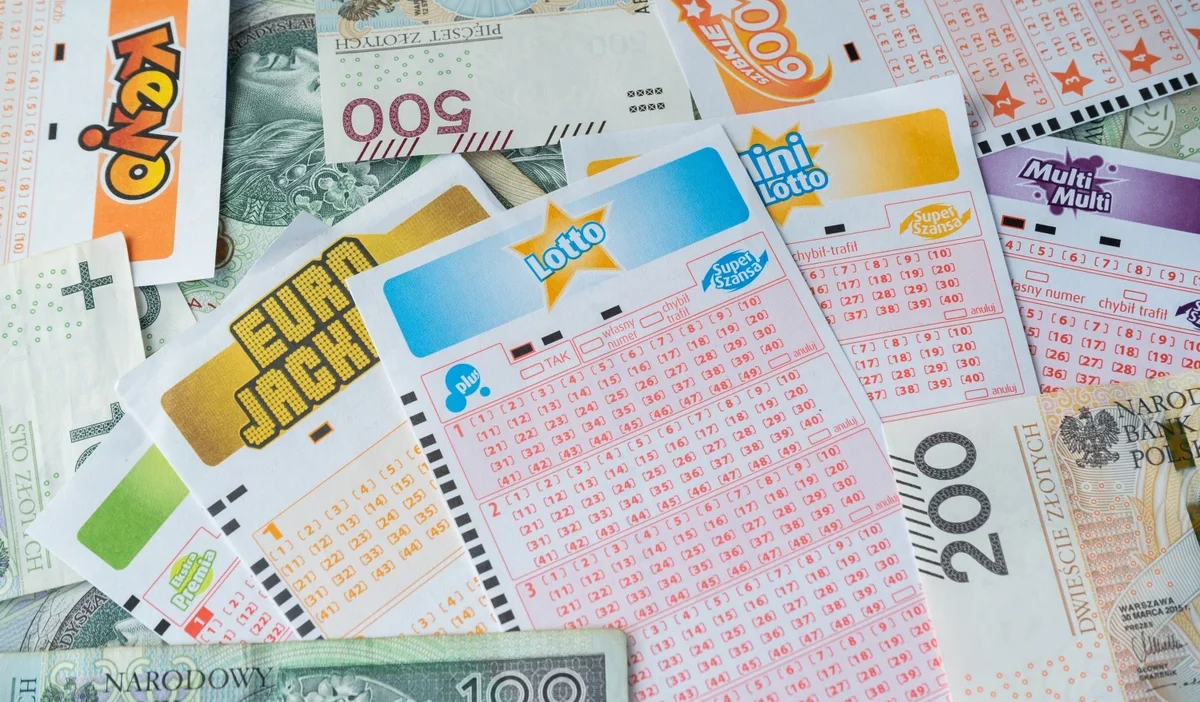
Poles spend billions annually on scratch cards and micro-hazard games, with millions of cards sold as experts warn of potential addiction risks.
Scale of Micro-Hazard in Poland
Scratch cards offered by Totalizator Sportowy are available throughout the LOTTO retail network, which now comprises over 27,500 outlets across Poland, compared to 14,800 points at the end of 2015. Currently, 80 types of scratch cards are on sale, with nearly 130 different types introduced in 2024 alone. In 2015, over 300 million scratch cards were sold, exceeding 400 million units in 2019, 2021, and 2022, and reaching nearly 400 million in 2023.
In 2023, nearly 100,000 sold scratch cards contained winnings, with nearly 290 main prizes paid out. Over 1.2 million tickets sold that year had winnings exceeding 100 złoty. The most popular scratch card by sales value in 2023 was “MEGA LINIE” at 20 zł per piece, generating sales of 87,019,442.64 zł with nearly 5 million tickets sold. In terms of quantity, “SUPER 7” at 2 zł per piece dominated with over 25 million tickets sold totaling 46,177,474.98 zł.
“It’s Just a Few Zloty”
Marek, a 45-year-old logistics worker with a stable job, family, and dog, doesn’t consider himself a gambler. “It’s just part of shopping,” he says, taking change at a popular store. “When I have two or five zloty left from a ten, I get ‘Super 7’ or ‘Mega Linie.’ Sometimes I win ten zloty and exchange it for two more. It’s a moment of excitement while scratching in the car before heading home. My wife doesn’t know because why? It’s just a few zloty.”
Marek represents millions of Poles who bought nearly 400 million scratch cards in 2023. The “Super 7” card, mentioned by Marek, was the biggest hit in terms of quantity, selling over 25 million units.
“Since the State Has a Monopoly, It’s Associated with Safe Entertainment”
Piotr Gronkiewicz, an addiction prevention expert from the “Nie gram” association, notes that this social acceptance is particularly dangerous. “We see game stands in markets next to bakery counters. There’s no warning that this is risky. Since the state has a monopoly on it, it’s perceived as safe entertainment,” explains the expert.
Gronkiewicz adds that for some people, micro-hazard can be a gateway to further problems, especially when exposure occurs at a young age when the brain is still developing. Parents should be particularly attentive if they notice psychological difficulties or developmental delays in their children. The section also tells Kamil’s story, who started winning 50 zloty in high school and eventually moved to online games on his phone, seeking relief rather than wealth.
Rising Expenditures and Fund Allocation
Polish spending on gambling has significantly increased in the last five years, oscillating around tens of billions of zloty yearly. The number of venues offering gambling games, including casinos and slot machine halls, is also growing. Funds from gambling subsidies are distributed to four funds: the Fund for the Development of Physical Culture received 1,270,000,000 zł in 2025, the Culture Promotion Fund received 327,000,000 zł, the Fund for Supporting the Development of Civil Society received 65,000,000 zł, and an organization supporting gambling addiction treatment received 16,000,400 zł.
Gronkiewicz calls for increased funding for research, therapist training, and support for prevention organizations. He points to limited grassroots health initiatives in schools and easy access to games on smartphones for children. The diagnostic process for a four-year-old under the National Health Fund can take a year and two months, while a private diagnosis costs about 1,500 zł.