Polish Social Insurance Authority (ZUS) issues different tax forms to benefit recipients, with distinct rules for tax submissions and refunds.
Automatic Tax Settlement with PIT-40A
If you receive the PIT-40A form, you don’t need to submit a tax return to your tax office. If the settlement results in an underpayment, the appropriate amount will be deducted from your April benefit payment.
When to Submit Your Own Tax Return
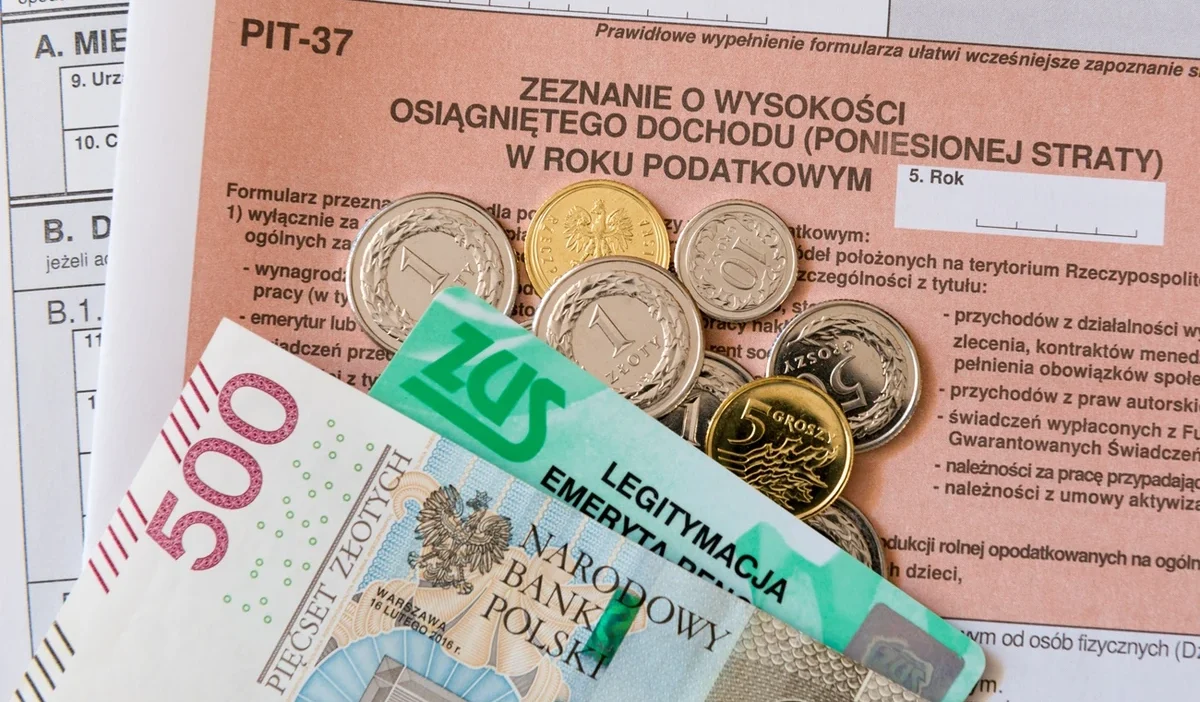
In the case of PIT-11A or PIT-11, you can submit a tax return to your tax office yourself or wait until April 30. The tax office will then accept the PIT-37 return for 2025 generated automatically in the “Twój e-PIT” service.
As ZUS reminds, to benefit from income or tax deductions, you must submit a PIT-37 or PIT-36 tax return to the tax office by April 30. These will not be included in the automatically generated return.
1.5% Tax for Public Benefit Organizations
Every pensioner and disability pension recipient can also allocate 1.5% of their tax to a public benefit organization. If it’s the same organization as last year, no additional documentation needs to be submitted to the tax office. If it’s a different organization, you must submit the PIT-OP form to the tax office.
If a change of address application arrives while the declaration is being prepared, ZUS will not be able to send it to the new address. In such a situation, from February 4, you can print the document from PUE/eZUS or receive a printout at our branch.
Who Receives Which Tax Form?
PIT-40A will be received by pensioners and disability pensioners who received benefits from ZUS throughout the entire calendar year, and the settlement results in an underpayment of tax or a balance of 0 zł. This document will also go to persons living abroad in countries with which Poland has double taxation treaties, if the benefits are subject to taxation in Poland.
PIT-11A will be received by persons who received cash benefits from social insurance, including sickness, maternity, care benefits, and rehabilitation benefits.
This also applies to pensioners and disability pensioners who: did not receive benefits for December of the given tax year, were not ZUS benefit recipients at the time of tax settlement, had a tax overpayment, filed an application with ZUS regarding the calculation and collection of income tax advances, such as for not collecting advances on income up to 30,000 zł, filed an application for not preparing an annual tax calculation.
PIT-11 will be received by persons who received last year: benefits due from a deceased person, alimony deducted from benefits paid by ZUS based on a court judgment, or payments to meet family needs, if they remain in separate property from their spouse.
The institution does not settle persons living in countries with which Poland has double taxation treaties, nor benefit recipients who have a tax overpayment. They will receive the overpayment refund from the tax office within 45 days from the day they submit the tax return, or from April 30 if the office accepts the return from the e-PIT service.
Tax Refunds: Getting Your Money Back
Persons who want to receive the overpaid tax refund to their bank account should report their bank account number to the tax office. They can do this in the tax return or on the form for updating address data, ZAP-3. If the taxpayer has not reported their bank account number to the tax office, the overpaid tax can be refunded by postal transfer (in which case the refund amount is reduced by transfer costs) or – if the overpaid tax amount is low – at the tax office cash desk.