


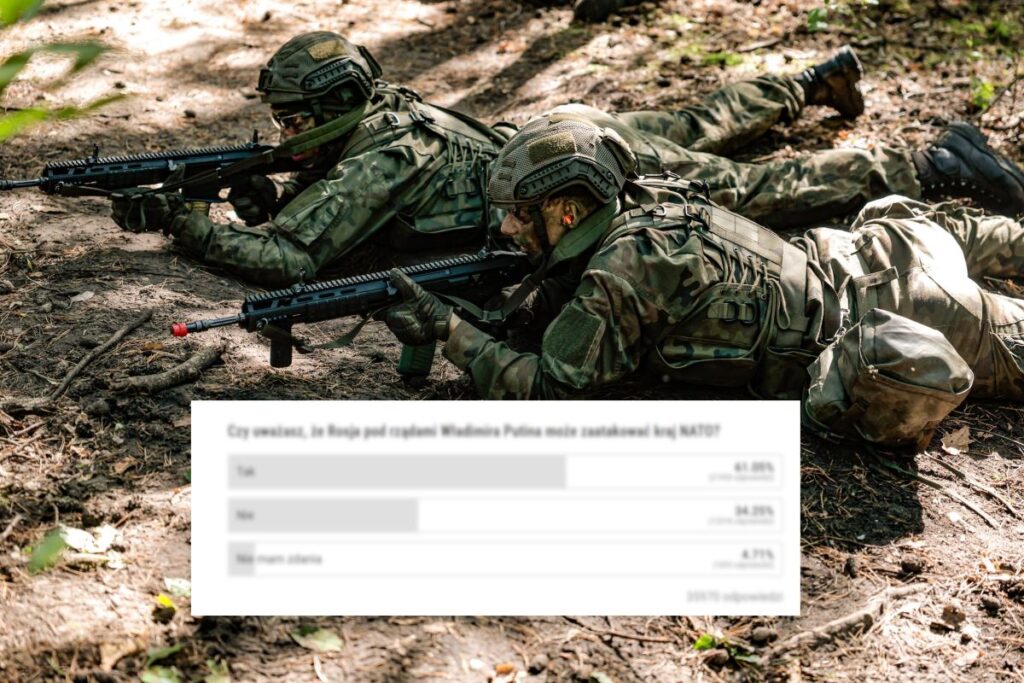
A Gazeta.pl survey shows 61% of respondents think Russia under Putin might attack a NATO country amid rising tensions.
Rising Concerns Over Military Developments
Recent British military exercises in Norway and changes in London’s approach to mobilizing veterans have sparked widespread discussion about European security and potential Russian threats. These developments have prompted many readers to clearly define their stance on possible conflict scenarios.
Concerns about a potential conflict with Russia are widespread, with the majority of voters having no illusions about the Kremlin’s intentions.
Majority Sees Real NATO Threat
The poll results show a clear majority position, with 61.05% of respondents believing that Russia under Vladimir Putin could attack a NATO country (as of January 23, 2026). This indicates that the narrative about a genuine threat resonates with a significant portion of the population.
In the context of British Marines exercises in Norway and warnings from London, such conviction doesn’t seem coincidental. Many people connect Russia’s growing military activity with the tense international situation. The Arctic is increasingly appearing in analyses as a strategic area, and NATO actions are perceived as responses to specific risks.
Skeptical View: Political Pressure, Not Imminent War
Not all share the pessimistic forecasts. 34.25% of voters believed that Russia would not attack any NATO country. For this group, war threats are more a form of political pressure than a real sign of impending conflict.
The prevailing conviction is that an open conflict with the entire Alliance would be too risky for Moscow. NATO is still perceived as a strong military bloc whose deterrent potential works effectively. For these individuals, exercises and mobilization announcements are more a form of precaution than a sign of real war.
Strongly Divided Opinions on Security
Only 4.71% of voters admitted to having no opinion on the matter. This small percentage shows that the topic of security and possible conflict with Russia rarely leaves people indifferent. Such a low number of undecided individuals indicates that opinions on this matter are already largely formed.
Whether they perceive real threats or are convinced that escalation won’t happen, the poll results confirm that reports of military preparations in Europe strongly influence public mood and thinking about the future.