


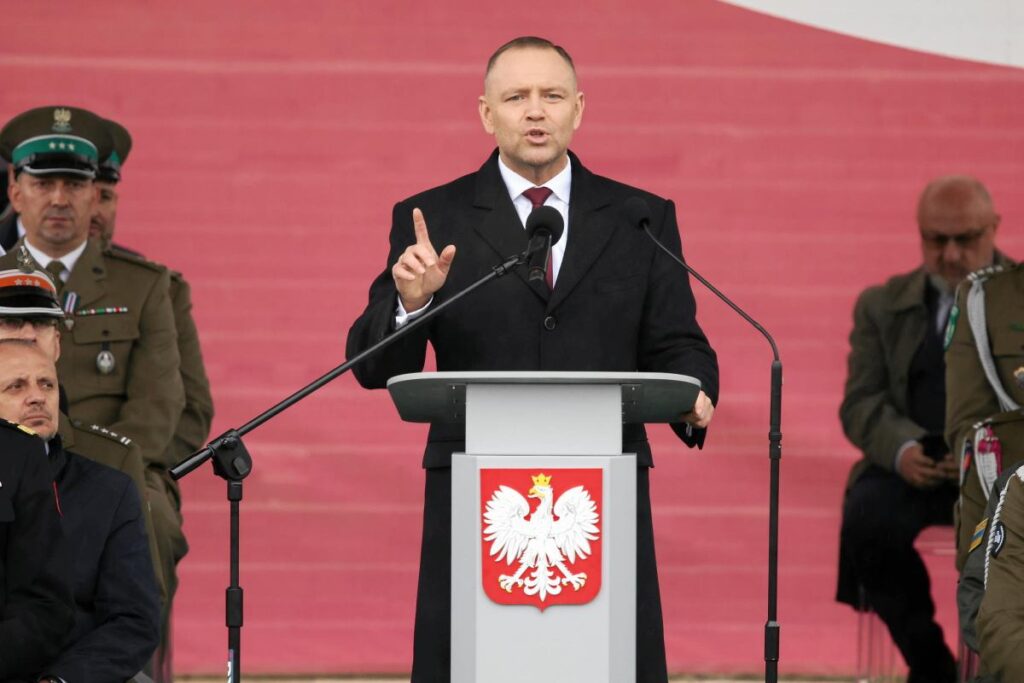
During Saturday’s ceremony in Lublin, President Karol Nawrocki praised Polish Border Guard officers for their service and pledged his unwavering support, refusing to apologize for those who insulted their uniforms.
Gratitude for Border Service
At a celebratory event in Lublin, President Karol Nawrocki commended the Border Guard for their dedicated service to Poland. He expressed his deep gratitude on behalf of the Polish nation for their faithfulness to the Republic.
Nawrocki described the Border Guard as a modern 21st-century institution, essential to national security and sovereignty. He vowed to fight for increased funding to support the ongoing modernization of the force.
Personnel Remains Indispensable
The President emphasized that technology and modernization cannot replace the human element of the service. He personally thanked the officers for their presence across 3,572 kilometers of border and at 71 individual border posts.
Standing Firm Against Criticism
Addressing past criticisms, Nawrocki stated that while Border Guard officers stood as a symbol of humanity during the Ukrainian refugee crisis and as a shield against hybrid warfare, they faced unfair insults from those who failed to support the uniform.
Nawrocki insisted that those who insulted the officers should be the ones to apologize. Declaring he would not offer apologies on their behalf, he reiterated that the nation remains proud of the service and he will stand firmly behind them.
Operations and Mandate of the Border Guard
The Border Guard currently employs approximately 16,800 officers and 3,500 civilian staff across nine regional branches and two training centers. Their duties include securing over 3,500 kilometers of land borders and processing transit at border crossings.
Beyond border security, the service is responsible for combating crimes such as illegal border crossings, document forgery, and the smuggling of illegal substances, weapons, and cultural artifacts.