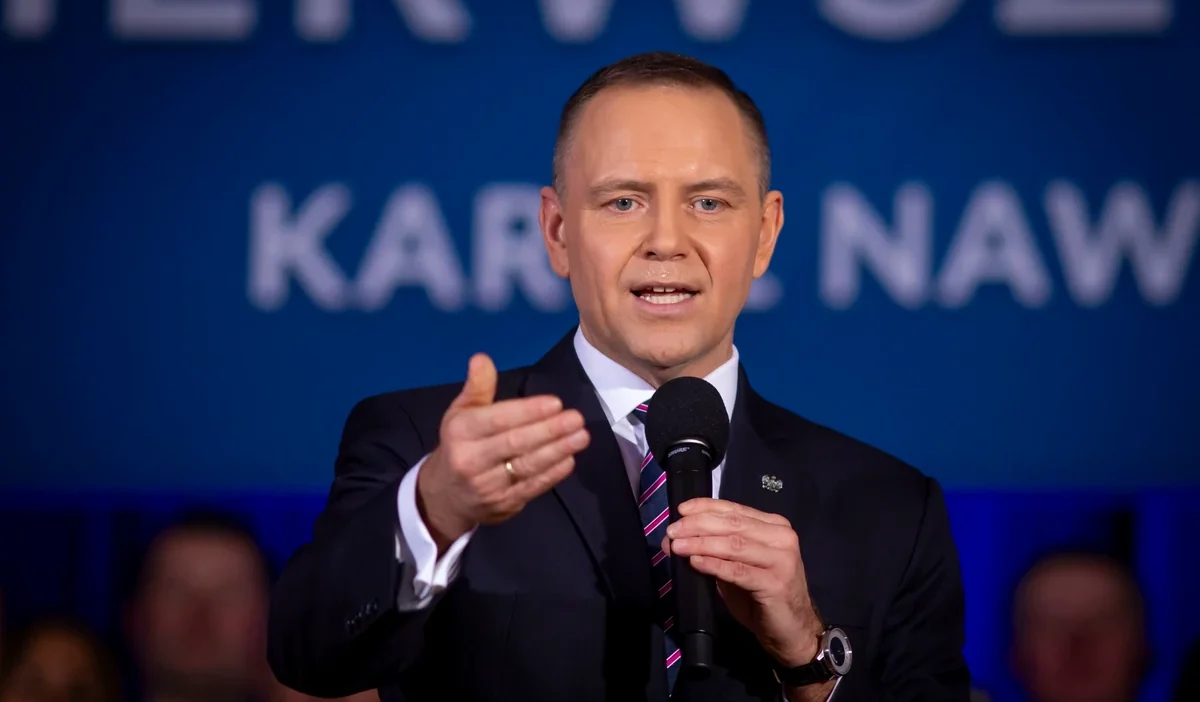
Poland’s President Karol Nawrocki blocks cryptocurrency regulation bill for second time, prompting government to reveal politicians’ connections to crypto market.
Second Veto Sparks Political Row
In February 2026, President Karol Nawrocki again refused to sign a bill regulating the cryptoassets market, marking his second veto of the legislation. The original bill was passed on November 7, 2025, and re-approved after amendments, but was previously blocked by the president on December 1, 2025.
The president justified his decision on systemic and constitutional grounds, stating the government resubmitted nearly identical legislation without addressing his previous reservations. He also expressed concerns about threats to civil liberties and excessive state powers, including the ability to block cryptocurrency-related internet domains.
Government Response and Accusations
The government responded sharply to the president’s veto. Finance Minister Andrzej Domański stated that blocking the bill means taking political responsibility for damages suffered by citizens due to cryptocurrency fraud. Deputy Prime Minister Radosław Sikorski went further, publicly questioning the president’s motives and suggesting connections to cryptocurrency industry sponsors.
The government argues that lack of regulation hinders fighting money laundering and illegal operations, while exposing Poland to potential use of cryptocurrencies by foreign intelligence services. An earlier attempt to override the first veto in the Sejm failed in December 2025.
Zondacrypto at Center of Political Storm
Zondacrypto, one of Central Europe’s largest cryptocurrency firms, found itself at the center of the political controversy. Media reports indicate the company was active in events related to President Nawrocki’s election campaign and participated in delegations during his first official U.S. visit.
The company is expanding to the U.S. market, where the political climate for cryptocurrencies is more favorable. Political relations, particularly between the Polish president and the Donald Trump administration (which publicly supports digital assets), are seen as significant in this expansion.
Government Plans Disclosure of Connections
The far-reaching consequence of this conflict will be actions by the government and special services. Work is underway to declassify materials regarding relations between politicians and cryptocurrency market entities. The government is preparing a report for public release that may contain evidence of potential conflicts of interest.
While a closed Sejm session was considered, the government decided to publicize the materials instead. Simultaneously, notifications to the prosecutor’s office are being prepared regarding possible crimes by individuals involved in the case.
Broader Implications for Poland
The conflict extends beyond legislation to political and institutional dimensions, concerning both cryptocurrency regulation and broader state-technology sector relations. Without regulation, Poland falls behind EU standards for cryptoasset market supervision.
Experts note that without proper regulations, the state has limited ability to control cryptocurrency platforms and respond to irregularities. However, veto supporters argue that excessive regulation could hinder the technology industry’s development and weaken Poland’s global competitiveness.
This cryptocurrency dispute has become one of the sharpest conflicts between the Presidential Palace and Prime Minister Donald Tusk’s government. The upcoming report publication and potential prosecutor actions will be key in determining the case’s future direction.