On 9 November, Pruszków marks 109 years since it was granted city rights, a milestone tied to its historic railway link to Warsaw.
Historical Granting of City Rights
On 9 November 1916, Pruszków received city rights. The same day, the villages of Tworki and Żbików were incorporated into the new municipal entity, streamlining the area’s administrative structure.
According to historians from the Dulag 121 Museum, German governor‑general Hans von Beseler announced the decision. Engineer Edmund Wargenau, former director of the Tillmann factories, was appointed mayor; after his resignation in June 1918, Józef Piltz assumed the role. The City Council up to 1918 functioned mainly as an advisory body to the mayor without full self‑governing powers.
The grant of city rights was part of a broader occupation policy, wherein promises of greater autonomy sought to win Polish favor and bolster the ranks of the German army.
Railway Catalyst for Growth
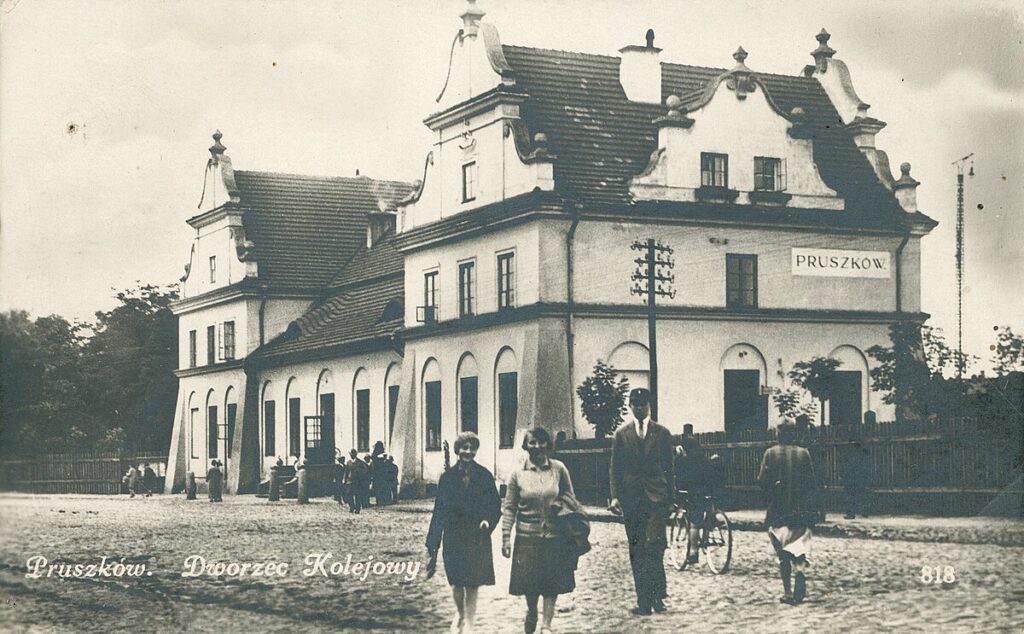
The 19th‑century Warsaw‑Vienna Railway became a key transport artery in the Russian partition. Trains had been running to Pruszków since 1845, and the formal opening of the Warsaw‑Vienna line occurred in 1848.
This railway connection accelerated development along its route, boosting population, trade, and infrastructure standards for Pruszków and surrounding settlements.
Urban Expansion Along the Rails
Proximity to Warsaw and convenient transport made Pruszków attractive for both industry and settlement, leading to rapid urban growth.
Institutional Growth: Psychiatric Hospital in Tworki
The construction of the Psychiatric Hospital in Tworki in 1891 was a significant impulse for regional urbanization.
The facility’s operation led to the creation of a residential area, services, and technical infrastructure in Tworki, tightening economic and social ties across the region.
Legacy in Modern Day Pruszków
Today Pruszków retains traces of its railway genesis and century‑old administrative decisions—its urban layout, economic functions, and network of connections all stem from rails leading westward from Warsaw.