The Polish People’s Party (PSL) submitted a revised “SAFE 0 Pct.” bill to the Sejm, aiming to allocate profits from the National Bank of Poland (NBP) to defense spending.
PSL Bill Supports Presidential Initiative
PSL politicians emphasized on Wednesday that their “SAFE 0 pct.” bill complements, rather than contradicts, the President’s initiative, expressing hope for the President’s approval and support from opposition parties.
Krzysztof Paszyk, head of the PSL parliamentary club, stated during a press conference that the PSL’s proposed solutions make the President’s proposals more realistic and achievable.
Key Changes in the PSL’s SAFE 0 Pct. Proposal
PSL MP Marek Sawicki clarified that the party’s bill is designed to support the President’s project and the NBP President’s initiative. The bill maintains much of the presidential proposal but includes provisions for funding various defense-related needs.
These include equipping services under the Ministry of Interior and Administration (MSWiA), military infrastructure, and military healthcare, while also limiting the President’s camp’s control over the fund.
Sejm to Analyze PSL Bill Next Week
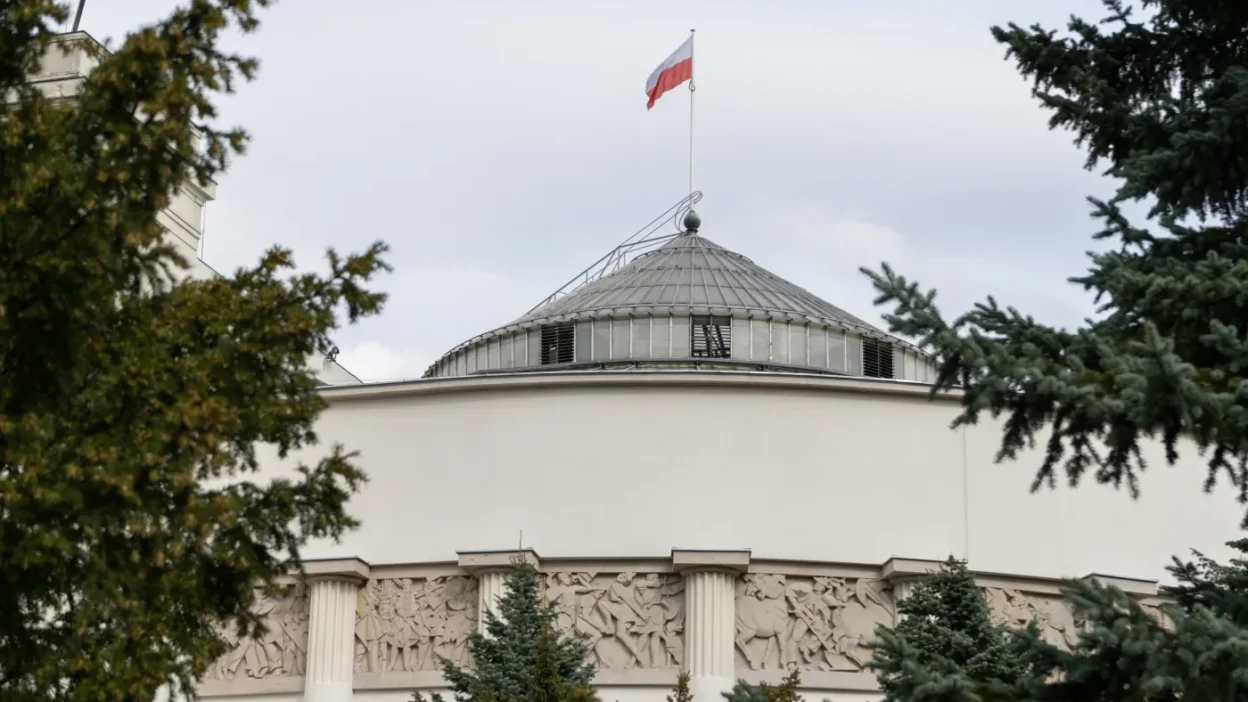
Sejm Speaker Włodzimierz Czarzasty announced on Wednesday that the PSL’s bill has been sent for analysis, with a decision on its further course expected next week after reviewing expert opinions.
Background: “SAFE 0 Pct.” and NBP Profits
The “SAFE 0 pct.” proposal emerged while the government bill implementing the EU’s SAFE mechanism was awaiting the President’s signature. President Karol Nawrocki and NBP President Adam Glapiński jointly announced the potential for revaluing Poland’s gold reserves through active reserve management.
Glapiński estimated unrealized gains from gold revaluation at 197 billion PLN, which the NBP could distribute as profit over several years, earmarked exclusively for defense.
Presidential Bill Faced Criticism
The President’s subsequent bill establishing the Polish Defense Investment Fund, intended to distribute NBP-generated profits, faced criticism from the ruling coalition. Concerns included a lack of funding sources and potentially unconstitutional provisions regarding presidential representation in fund oversight.
Czarzasty decided to postpone proceedings on the President’s bill.