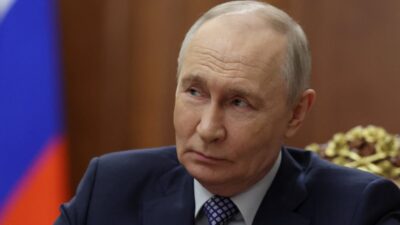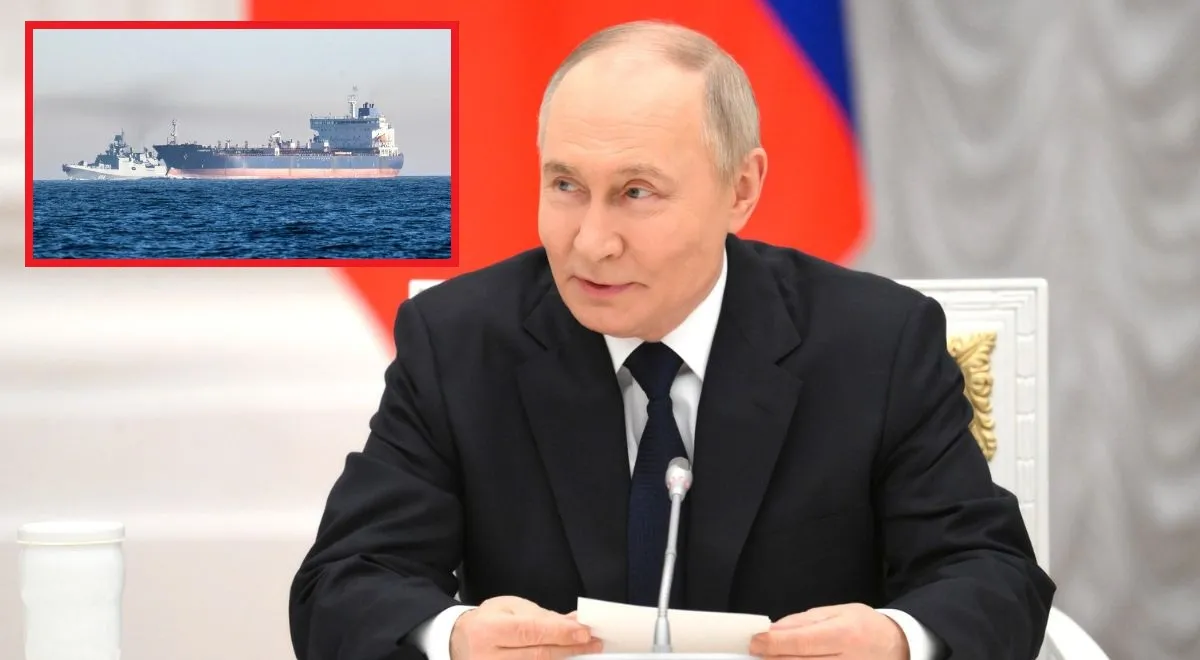
Russian President Vladimir Putin declared a short-lived ceasefire in the war against Ukraine, effective April 11th-12th, coinciding with Orthodox Easter.
Russia Announces Easter Ceasefire
Russia has announced a brief suspension of military operations in its war against Ukraine. The decision, made days before Orthodox Easter, is set to take effect from 3:00 PM Polish time on April 11th and last until the end of April 12th. This is another formal attempt to limit fighting during the holiday period, though its effectiveness remains uncertain.
Putin’s Order and Conditions
President Vladimir Putin instructed the Russian armed forces to halt combat operations on all fronts. According to official statements from Moscow, the order covers both offensive operations and other military activities that could escalate the fighting.
However, the Kremlin emphasized that Russian units will remain in full combat readiness, prepared to respond to any “provocations” or “aggressive actions” from Ukraine. Such caveats have accompanied nearly every ceasefire declaration since the full-scale invasion began in 2022.
Ukraine’s Response
President Volodymyr Zelenskyy had previously signaled a willingness to introduce a ceasefire during the Easter holidays. However, he clearly stated at the end of March that any ceasefire could not come at the expense of Ukraine’s sovereignty and territorial integrity.
Following Moscow’s announcement, Ukraine initially did not take a definitive stance. Zelenskyy later confirmed Ukraine’s readiness to observe the ceasefire during Orthodox Easter, potentially limiting fighting, though past experience suggests such declarations rarely translate into a complete cessation of hostilities.
Past Ceasefires and Expert Analysis
A similar situation occurred in April 2025, when Russia unilaterally announced a ceasefire for approximately one and a half days. Both sides of the conflict accused each other of multiple violations. Despite this, observers noted a clear decrease in the intensity of fighting on some sections of the front.
Experts point out that short ceasefires primarily have a political and propaganda dimension. They allow for highlighting “goodwill” towards the international community and provide an opportunity to regroup troops and replenish resources.
Frontline Situation and Symbolic Significance
The ceasefire announcement comes at a time when fighting on the front lines remains intense, and both sides are suffering significant losses. Recent weeks have seen Ukraine conduct a series of strikes against Russian military infrastructure, resulting in billions of dollars in losses for the Russian Federation.
In this context, the Easter ceasefire has limited military significance but considerable symbolic importance. Religious holidays have repeatedly been used throughout history as a pretext for short-term ceasefires, but the durability of such initiatives remains very limited in the Russo-Ukrainian war.
International Expectations
Western diplomats and international organizations have consistently appealed for a lasting ceasefire to enable the start of real peace negotiations. Temporary ceasefires, such as this Easter one, are seen as gestures with little impact on the strategic course of the war.
However, even a few hours of reduced fighting can provide temporary relief to the civilian population in areas affected by the conflict. This remains far from a solution that could end the conflict, which has been ongoing for over two years.