


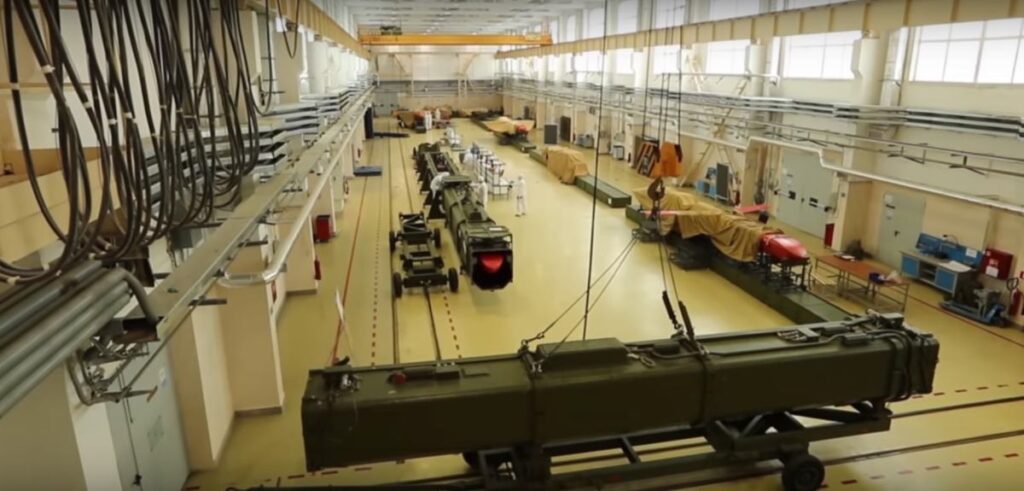
On 21 October, Russian President Vladimir Putin claimed a 15,000‑kilometre nuclear‑powered missile had flown, sparking criticism from U.S. President Donald Trump and leaving its operational status uncertain.
Recent Demonstration of Intimidation
During the annual “Grom” strategic‑force exercises, senior officers were shown new footage and briefed by Gen. Valeriy Gerasimov, who reported back to President Putin about a “Burewiestnik” launch scheduled for 21 October.
Claims of 15,000‑km Flight
The general announced that the rocket covered 15,000 km in 14 hours and should be able to evade air‑defence and anti‑ballistic systems. He added that 14‑hour flights were not the maximum capability of the programme and that the system is unique worldwide.
Western Reactions
President Trump told reporters that Putin “should not have said that,” arguing that the West must focus on ending the war, which he said would last only weeks, not years. Trump also reminded Russia that the U.S. possesses advanced nuclear submarines close to Russian coasts.
Lack of Independent Verification
Only a single photo of a launch pad was released and no satellite or ground recordings of the missile’s flight beyond ignition are public. No third‑party evidence confirms the 15,000‑km claim or the subsequent manoeuvres.
Historical Attempts and Failures
Since 2016 Russia has tested the Burewiestnik at sites in the far north, namely Nenoksa near Archangelsk and Pankovo on New‑Earth island. A 2019 explosion during a test near Pankovo killed five Rosatom workers and released radiation into the atmosphere, earning the vehicle the nickname “a small flying Chernobyl.”
Strategic Purpose Behind the Rocket
The missile is described as a large, nuclear‑powered, manoeuvring system capable of sub‑sonic flight at about 800–900 km/h and a low altitude of roughly 100 m, with the aim of combining long range with difficult detection. Whether it uses a closed‑loop reactor or produces significant radiation in flight remains unclear.