


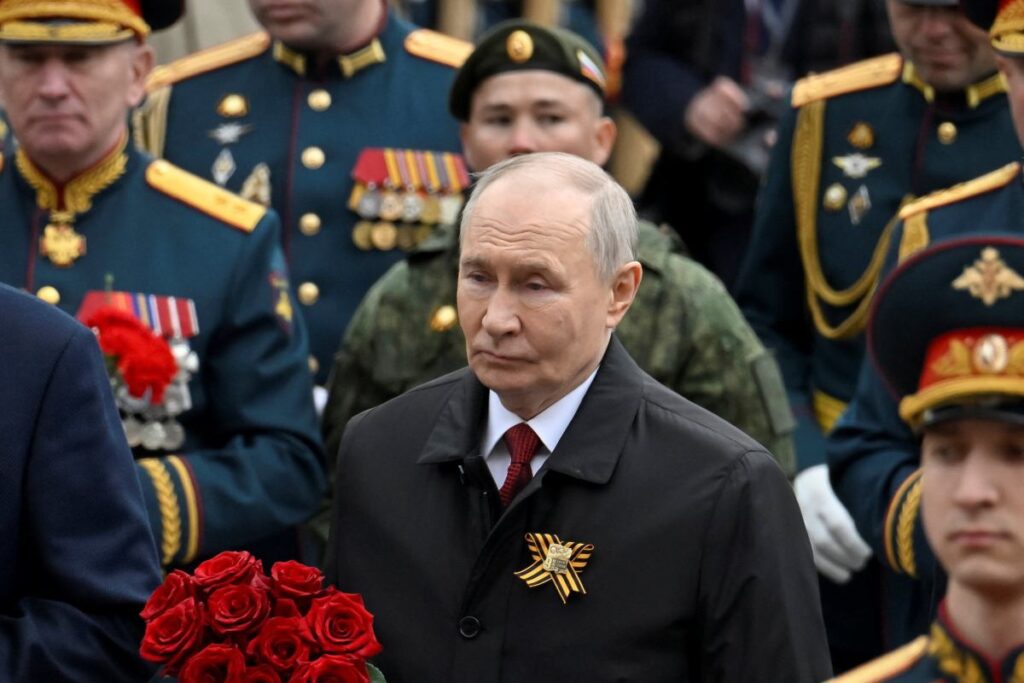
The Kremlin confirms Vladimir Putin will travel to Beijing for a two-day visit, coinciding with the 25th anniversary of the Chinese-Russian friendship treaty, just days after Donald Trump’s visit.
Diplomatic Timing and Agenda
According to the Kremlin, the two-day visit will coincide with the 25th anniversary of the 2001 Chinese-Russian Treaty of Friendship. The leaders are expected to discuss bilateral relations as well as “key international and regional issues,” reported the AP.
Commentators note that the date of Putin’s visit was announced less than 24 hours after Donald Trump concluded his own trip to Beijing. In China, the U.S. President discussed topics including the war between Israel and Iran, Russia’s war against Ukraine, American arms shipments to Taiwan, and strained U.S.-China trade relations.
A Long-Standing Strategic Partnership
Kremlin spokesperson Dmitry Peskov had indicated earlier this week that Putin would travel to China, though no date was confirmed at the time. Reuters reports that the two leaders have met more than 40 times, with their last meeting in Beijing taking place in September 2025.
In February 2022, weeks before the invasion of Ukraine, Putin and Xi declared a friendship with “no limits” and “no forbidden areas of cooperation.” Since the war began, the two nations have strengthened ties in military and industrial sectors, including conducting joint military exercises.
China’s Strategic Balancing Act
Beijing maintains an official position of neutrality regarding the war in Ukraine, having abstained from UN resolutions condemning the invasion and the illegal annexation of four Ukrainian regions. However, China continues to provide indirect economic, technological, and industrial support, including drone components, satellite imagery for targeting, and the purchase of Russian raw materials.
General Bogusław Pacek noted in an interview that China’s primary goal is to ensure Russia does not lose the war. Beijing benefits from U.S. involvement in Ukraine and other global crises, as these distractions limit Washington’s capacity to compete with China elsewhere.