


Following Trump’s announcement of a temporary Iran ceasefire, Russia condemned his approach while Moscow and Beijing vetoed a UN resolution on the Strait of Hormuz.
Russia Reacts to Iran Ceasefire
Donald Trump announced a two-week ceasefire with Iran on the night of April 7-8, contingent on Tehran opening the Strait of Hormuz. Trump stated that nearly all points of contention between the US and Iran had been resolved, with the two-week period allowing for finalization of an agreement.
The US has received a 10-point proposal from Iran, which Trump believes “forms a practical basis for negotiation.”
Zacharova’s Criticism of Trump
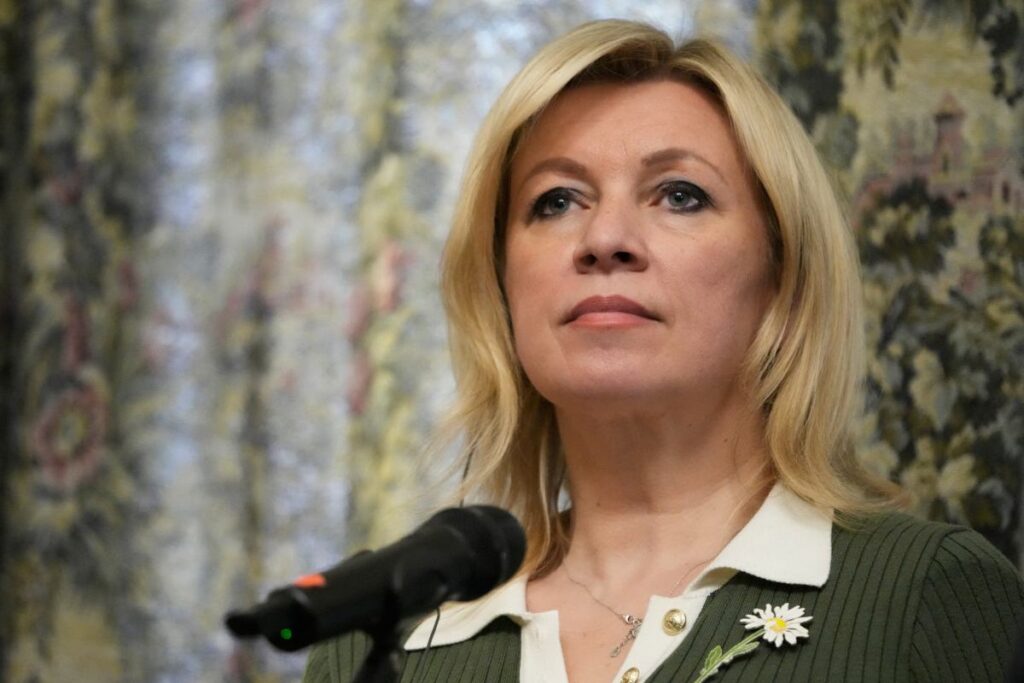
Russian Foreign Ministry spokesperson Maria Zacharova criticized Trump’s approach to the situation in Iran on Radio Sputnik. She stated that the emphasis on aggressive rhetoric and social media “victory” declarations had repeatedly failed, mirroring the consequences of unilateral aggression.
Russian Interests in the Middle East
Zacharova also asserted Russia’s commitment to peace in the Middle East. Moscow and Beijing vetoed a UN resolution on coordinated efforts to protect commercial shipping in the Strait of Hormuz, deeming it “biased and detrimental” to Iran, according to Reuters.
They proposed an alternative resolution calling for “de-escalation of ongoing hostilities” and a “return to the path of diplomacy.”
US Condemns UN Veto
US Ambassador to the UN, Mike Waltz, condemned Russia and China’s veto of the resolution regarding the unblocking of the Strait of Hormuz, calling it a “new low.” He argued that these countries are capable of paralyzing the UN Security Council through obstruction.
Waltz stated that these nations fear a “safer, more secure, and more united Middle East.” He added that Iran’s closure of the Strait of Hormuz would “take the global economy hostage” and hinder humanitarian aid to countries like Congo, Sudan, and Gaza.
Fuel Prices Rise Amidst Blockade Concerns
The potential blockade of the Strait of Hormuz has led to increased fuel prices. To calm energy markets, the US issued a 30-day waiver in early March allowing the purchase of Russian oil and petroleum products, Reuters reported.
Numerous Asian countries have reportedly approached Moscow, and a Russian reporter, Pjotr Sauer, commented that continued reliance on Russian energy would have “catastrophic consequences for Ukraine.”