On November 18, U.S. media revealed a 28‑point peace plan allegedly crafted by the Trump administration and Russia, sparking turmoil across Washington, Kyiv, and Europe.
Two Factions Inside the White House
Within the Trump administration, two power blocs vie for influence—State Secretary Marco Rubio and Vice President J.D. Vance—each with contrasting views on Russia and Ukraine.
The 28‑Point Peace Plan Sparks a Media Leak
On 18 November, Axios published details of a 28‑point peace proposal reportedly generated by Trump officials and Russia, a plan never finalised with Kyiv or Europe.
Key Backers Behind the Proposal
Trump’s private partner Steve Witkoff and former Soviet‑born Ukrainian financier Dmitry Dmitriev acted as intermediaries, keeping communication lines open with Moscow while coordinating with U.S. negotiators.
European and Ukrainian Reactions
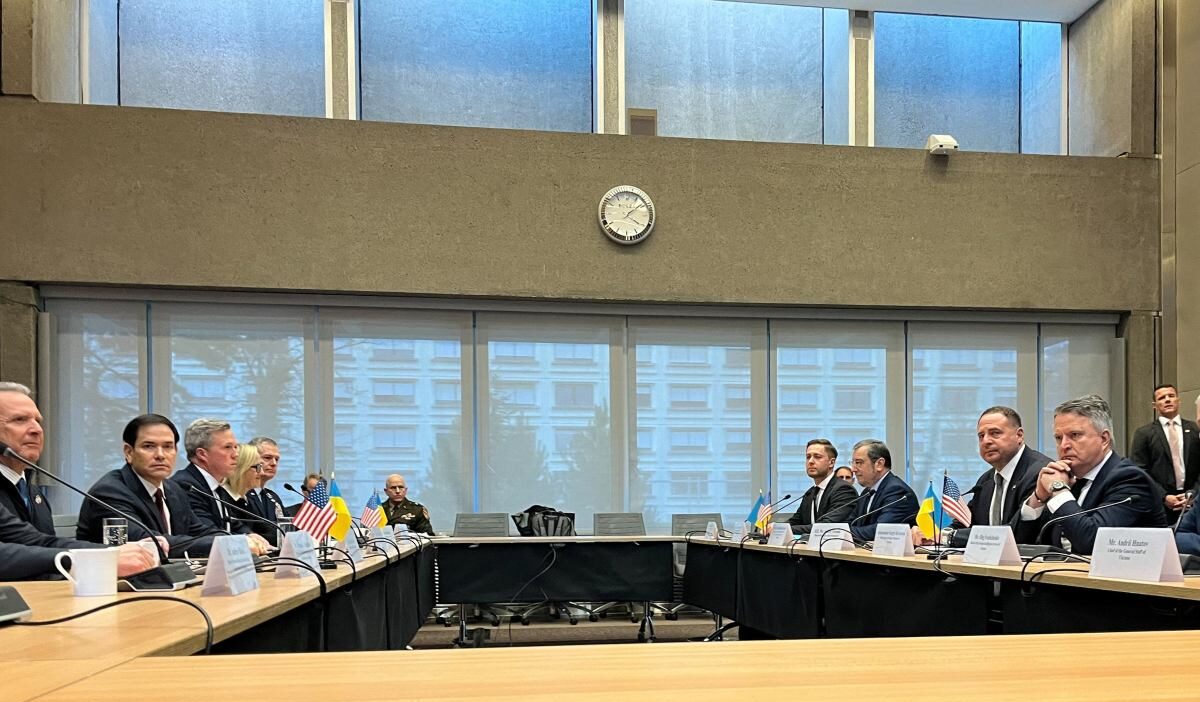
On 23 November, a meeting in Geneva saw the U.S. and Ukraine discuss the plan, while France, Germany, and the UK issued a European‑centric peace draft that contradicted the Russian terms.
Escalating Tensions and Uncertain Outcomes
As Trump threatened to suspend aid to Kyiv, Russia floated the plan as a “basis” only if its demands were met, while President Zelensky urged a constructive dialogue without abandoning U.S. support.