


After a slowdown in Russian gains during winter, the spring months will be crucial in determining whether Moscow can regain offensive momentum or has reached its limits.
Statistical Overview
December marked the last month of significant Russian advances, with Ukraine losing approximately 350-450 square kilometers, according to various estimates, potentially reaching 550 square kilometers based on pro-Russian sources.
January showed initial signs of a slowdown in Russian progress, while February witnessed a clear decline to around 120 square kilometers lost by Ukraine, largely due to a Ukrainian counteroffensive north of Hulajpole.
Recent Territorial Changes
Despite a halt in major Ukrainian attacks in March, Russian gains remained limited to around 160 square kilometers. April saw diverging assessments, with pro-Russian sources claiming over 300 square kilometers gained, while Ukrainian sources reported a continuation of the March low.
A neutral Finnish analytical group, Black Bird, noted a slight recovery for Russia in April after poor results in February and March, but only to around 100 square kilometers. Critically, over half of Russia’s April gains occurred in secondary areas along the Kharkiv and Sumy border regions.
Russian Attack Frequency and Bombing Rates
Reported daily Russian attacks decreased during the winter of 2025, falling to an average of 100 per day in February. This year, that trend hasn’t materialized, with the monthly average remaining around 150 engagements.
The rate of Russian gliding bomb attacks also didn’t decline this winter, a key tool supporting their ground offensives. The number of bombs dropped systematically increased from 4,500 in December to a record 8,000 in March, falling slightly to 6,900 in April, but remaining significantly higher than in 2025.
Current Situation and Diplomatic Maneuvers
The data indicates a substantial slowdown in Russian advances during winter and early spring, but without a corresponding decrease in attacks or airstrikes. It remains uncertain whether this slowdown is temporary or will persist.
May will also be significant due to diplomatic efforts surrounding a potential short ceasefire linked to Russia’s Victory Day celebrations on May 9th. Putin announced a unilateral ceasefire for this day and the preceding one, ostensibly as a gesture of goodwill, but likely to mitigate the risk of a Ukrainian drone attack disrupting the celebrations.
Frontline Dynamics and Future Prospects
These diplomatic maneuvers suggest Russia cannot plan major offensives in the coming days, as that would contradict the announced ceasefire. Any significant action is therefore likely to be delayed until mid-May, later than last year’s offensive push in March and April.
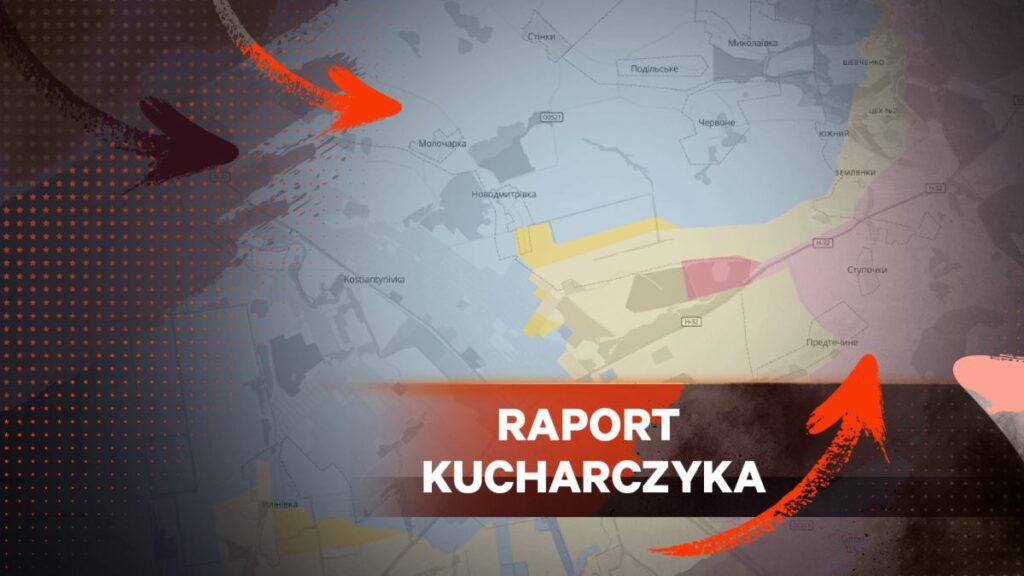
Despite the slowdown, Russia continues to make slow but steady progress, with the Donbas region remaining their priority. This year, Konstantynivka and the advance towards Kramatorsk and Sloviansk are key objectives, representing the largest remaining cities in the Donbas under Ukrainian control.
Fighting is also intense near Kupiansk and Sumy, where Russia maintains the initiative with slow gains, tying up Ukrainian forces. On the Zaporizhzhia front, the situation near Hulajpole has largely returned to its previous state, with Russia slowly regaining ground from the west.
Ukraine faces the same critical manpower shortage as in 2025, with ongoing delays in implementing mobilization reforms. The increasing use of robots is a key response, particularly for attacking logistical targets 30-50 kilometers behind the front lines.
While Russia continues to suffer significant losses, they are not severe enough to halt their advance. Ukraine can only manage small, localized counterattacks, utilizing their limited strategic reserves. Whether May confirms the continued slow pace of Russian gains will determine if Russia is truly stalled.