On December 4 2025, Poland’s Sanitization Inspectorate warned that a batch of water treated at Poręb’s station contained coliform bacteria, prompting the Brańszczyk municipality to switch the supply to a safe source from Udrzynek.
Coliform Bacteria Detected at Poręb Water Treatment
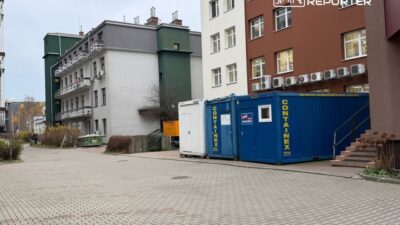
On December 4 2025 the State County Sanitary Inspectorate in Wyszków announced that water sampled on December 2 2025 at the Poręb Water Treatment Station contained coliform bacteria. The finding refers only to the sample taken at the intake, during collection and treatment, and not to the distribution network.
Water Supply Impacts on Local Villages
The Poręb supply serves Poręb Średnia, Poręb Kocęby and Udrzynek, altogether about 1,086 residents. Production at the system ranges from 100 to 1,000 m³ per day and is expected to meet the needs of this population.
Regulatory Standards and Required Actions
Under current regulations any coliform presence in potable water triggers corrective action and additional quality testing. The presence of the bacteria signals that the treatment process failed to remove the contaminants.
Municipality Switches to Udrzynek Source
After receiving the Inspectorate’s notification, the Brańszczyk municipality redirected the Poręb supply to water originating from the Udrzynek treatment plant. Officials affirm that the water delivered to residents is safe and fit for consumption, and that the risk posed by the earlier bacterial finding is eliminated.
Continued Disinfection and Monitoring
While the Udrzynek source feeds the network, the Poręb intake is undergoing disinfection and remains under sanitary supervision. The Sanepid’s notice remains in effect until new decisions are issued and the system is fully restored.
Repeated Water Quality Issues in Brańszczyk
Brańszczyk residents are no strangers to water quality alerts; in October the Inspectorate warned of coliform bacteria in the Trzcianka supply serving several localities, including Brańszczyk. The water was deemed unsuitable for drinking or sanitary use beyond toilet flushing, prompting mandated corrective measures.