


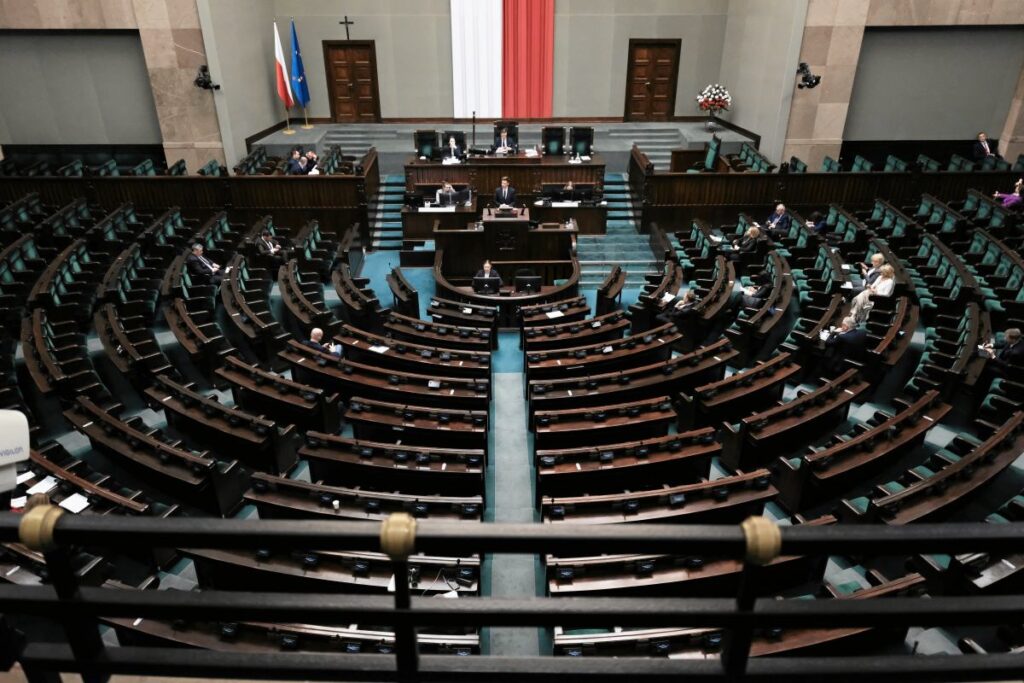
The Polish Sejm has referred four competing crypto-asset bills from the government, President, Polska 2050, and Konfederacja to the finance committee to align national law with the European Union’s MiCA regulation.
Legislative Push for MiCA Compliance
The Sejm decided on Tuesday to advance four separate bills aimed at regulating the crypto-asset market. These legislative initiatives are designed to implement the European Union’s Markets in Crypto-Assets Regulation (MiCA), ensuring a legal framework for digital tokens within Poland.
Accusations of Political Theater
During a heated four-hour debate, KO deputy Patryk Jaskulski accused the President’s Office of submitting a proposal that is 95% identical to the government bill previously vetoed by the President. Lawmakers criticized the move as a waste of taxpayer money and time, intended only to satisfy political egos while 30,000 affected citizens wait for regulation.
Disputes Over Regulatory Inaction
Zbigniew Bogucki of the President’s Office countered the criticism by blaming the government for failing to use existing legal instruments to prevent fraud, specifically referencing the Zondacrypto case. He argued that the government is attempting to mask its own incompetence by falsely claiming that presidential vetoes halted necessary enforcement actions.
Technical Variances Between Proposals
While the government, presidential, and Polska 2050 projects are largely similar, they differ on the scale of fees for the Polish Financial Supervision Authority (KNF) and the scope of its oversight. In contrast, the Konfederacja bill is significantly shorter and requires the KNF to obtain court approval before taking supervisory actions, such as blocking websites.
KNF Warns of Imminent Risks
This legislative effort represents the government’s third attempt to regulate the market after two previous vetoes by President Karol Nawrocki. The KNF has warned that without designated domestic supervision, Polish entities will lose the ability to provide crypto-asset services by July 2026, potentially forcing them to operate through licenses obtained in other EU member states.