Polish lawmakers clash over the purchase of used German railway cars while facing criticism for winter service disruptions.
German Wagon Purchase Sparks Parliamentary Debate
A five-hour stormy meeting of the Sejm infrastructure committee saw PiS deputies demanding explanations over two railway issues. They questioned PKP Intercity’s purchase of 50 used wagons from Deutsche Bahn, with PiS deputy Mariusz Krystian suggesting they may contain harmful asbestos. He asked why detailed test results weren’t published and whether passengers deserved “German scrap.”
Deputy Infrastructure Minister Piotr Malepszak explained that purchasing used wagons resulted from failed procurement during the previous government, particularly a tender for 38 seven-carriage “push-pull” trains where only one consortium (Pesa-Newag) bid with an excessively high price. Malepszak also noted record passenger numbers – 89 million in 2024, 31% more than in 2023.
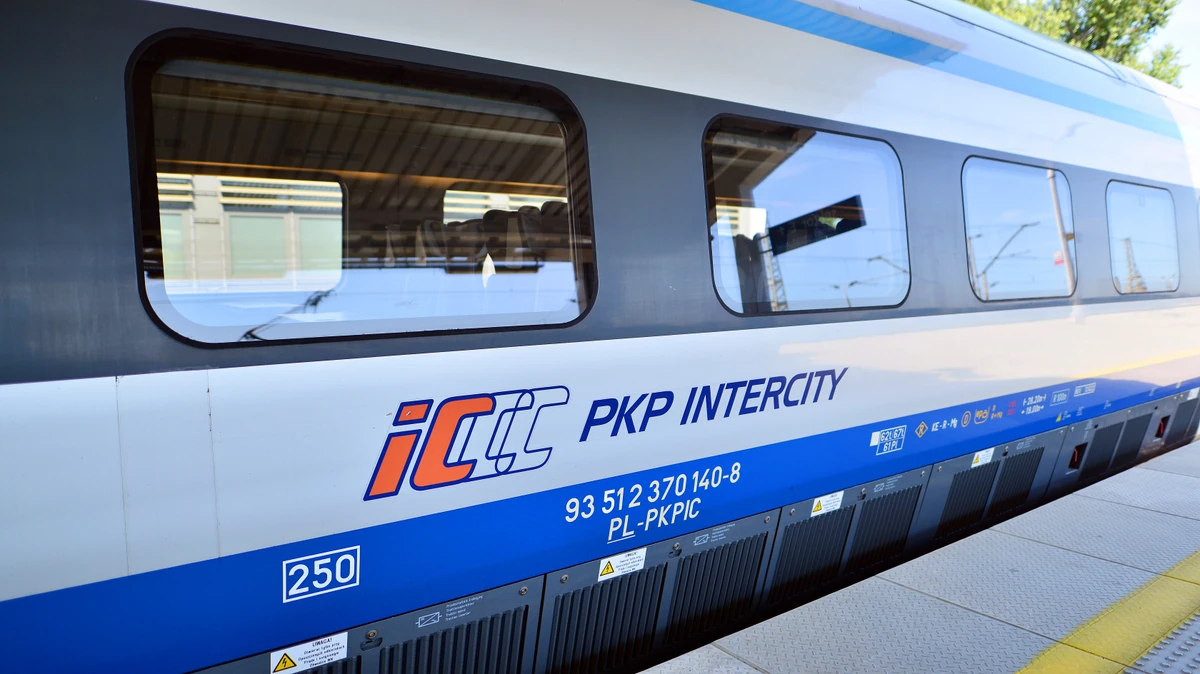
PKP Intercity President Janusz Malinowski defended the German wagons, stating they were often better than Polish ones despite being made between 1975-2003. He claimed they were purchased for 93 million zł (13% of what new vehicles would cost), were thoroughly checked for asbestos, and would begin operating in March after receiving PKP Intercity paint.
Winter Weather Causes Record Delays
PKP Intercity admitted January had its worst punctuality statistics in years, with only 54% of trains arriving without significant delays (within 6 minutes). Management attributed this to unusual weather conditions including record snowfalls and sudden temperature drops causing icing of the overhead line network.
January also saw significantly more track incidents compared to the previous year: people hit by trains increased from 16 to 27, collisions with wildlife rose from 180 to 270, accidents at level crossings increased from 8 to 11, and there were more major incidents like derailments and power failures. These caused track blockages for hours, with total delays reaching 100-150 hours.
Among electric trains, the least problematic were ED74 units from Pesa (produced and modernized years ago), while Pendolino units from Alstom and Darty units from Pesa performed slightly worse. Most problematic were Flirt units from Stadler.
Service Failures and Future Preparedness
Malepszak admitted both PKP Polish Railways and PKP Intercity could have better prepared for winter, noting lessons must be learned for the next season. PKP PLK President Piotr Wyborski admitted they didn’t always handle snow removal from platforms well, as the company largely outsourced this to private firms, imposing penalties on some subcontractors and terminating contracts with others.
MPs noted passenger information was often poor during delays. PiS deputies claimed the German wagons wouldn’t have been necessary if PKP Intercity had ensured timely delivery of 300 new wagons from Cegielski, which is nearly a year behind schedule. Malinowski replied that all recent contracts with Cegielski had delays, but PKP Intercity wants to help Poland’s largest wagon manufacturer.