


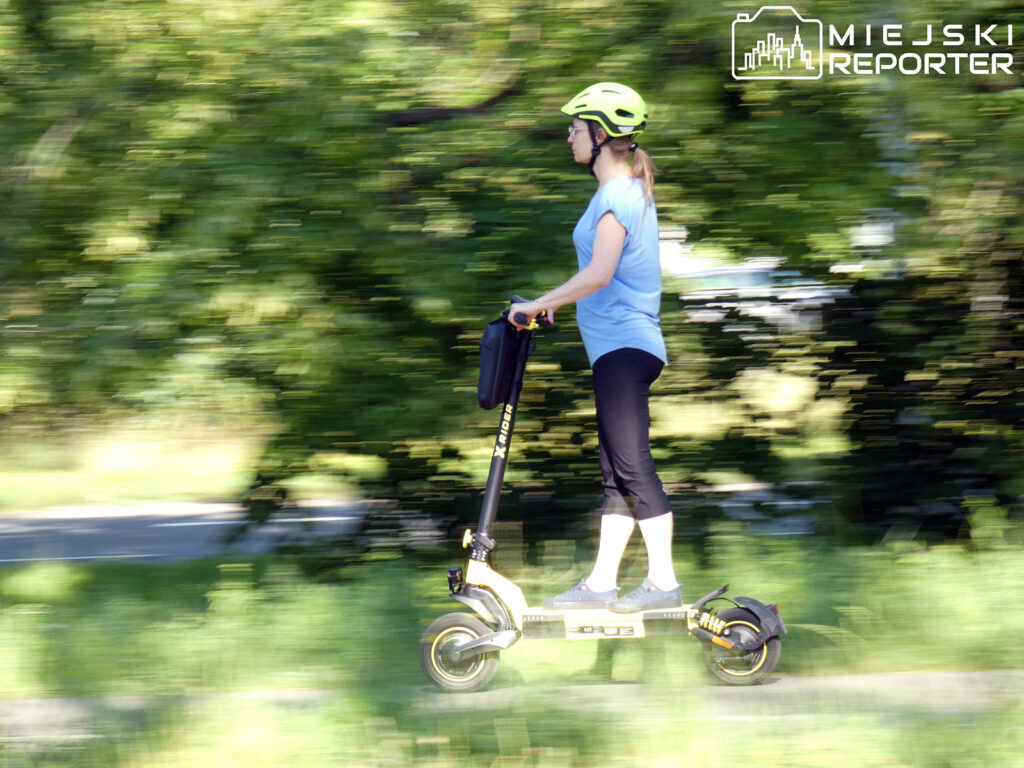
Poland’s lower house passed a helmet‑mandatory law for riders under 16, sparking protests from Warsaw’s cycling community about the best way to boost street safety.
Helmet Law Details
Poland’s Sejm voted to require that anyone under 16 wear a helmet while riding a bicycle, an electric scooter or a personal transport device. The measure was approved by a large majority in the lower house.
Children who are carried in federally approved car seats, trailers or bike trailers are exempt, provided they use the built‑in safety straps. The law assigns responsibility for compliance to guardians, who may face penalties if the requirement is not met.
The regulation will come into force after a vacatio legis period following publication in the Journal of Laws.
Background of Decision
In July, the National Road Safety Council, led by the Minister of Infrastructure, recommended compulsory helmets for the youngest riders. The government cited the rising popularity of micro‑mobility among children and the need to reduce head‑injury outcomes.
Supporters pointed to studies confirming that helmets lower the risk of severe injuries and noted that several EU states already have similar regulations for minors.
Opposition in Warsaw
Local cycling organisations in Warsaw oppose making helmets mandatory. They argue that the most effective safety measures are traffic calming, dedicated bike lanes, and strict enforcement of speed limits on motor vehicles.
These groups claim that shifting the responsibility onto single‑wheeled users does not solve the problem of collisions in streets dominated by cars, and that education and enforcement should focus on e‑scooter use, where most child injuries occur.
Specific Changes
Helmets will become mandatory for all riders under 16 on bicycles, e‑scooters and personal transport devices. Guardians must ensure compliance, with penalties for violations.
The youngest children transported in approved seats or trailers, using safety straps, will not be subject to the helmet requirement.
These provisions will apply after an introductory period counted from the law’s publication date.
Arguments For and Against
Proponents say helmets reduce injury severity and that mandatory use for minors is a low‑cost, quick preventive step common in many EU countries.
Opponents argue that the mandate may discourage cycling, fails to address the root causes of accidents, and distracts from needed infrastructure improvements and speed control.
Future Steps
After passing the lower house, the bill moves to further legislative stages. Once published, the vacatio legis will begin, after which the new rules become enforceable.
Local governments, schools and institutions plan informational campaigns on the law’s requirements and proper helmet selection for children.