


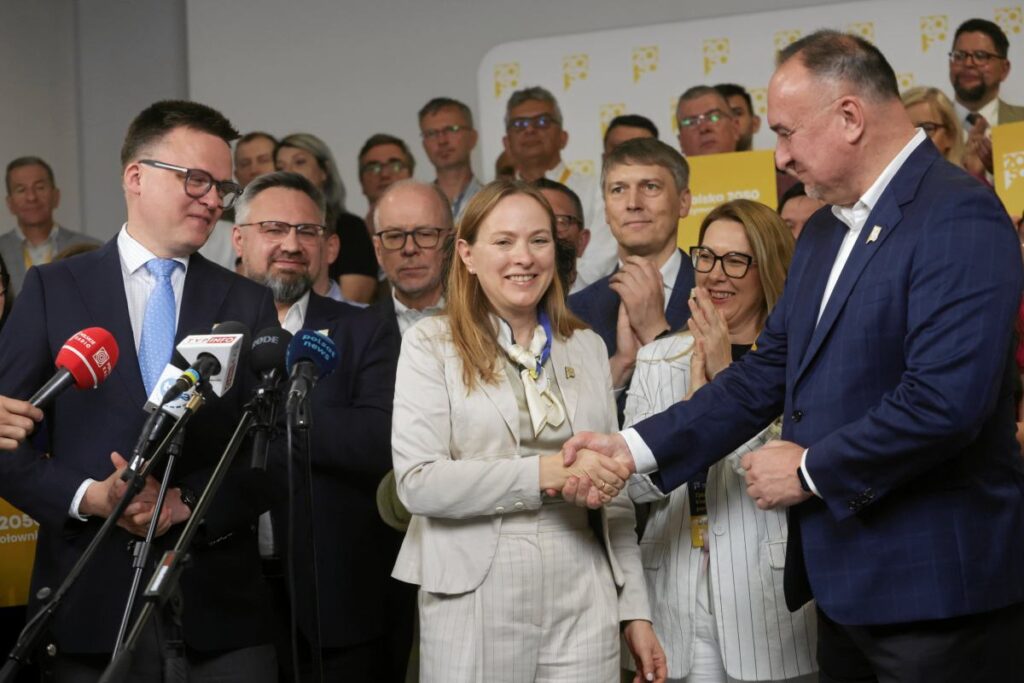
After withdrawing his own candidacy for the top seat, Szymon Hołowni set the field open, leaving seven MPs to battle for Poland 2050’s leadership at the end of January 2026.
Hołowni Withdraws from Leadership Contest
In early September, Hołowni publicly announced he would not seek re‑election as party leader. Despite this, several aides said he might reverse his decision if the UNHCR post—currently open for a new High Commissioner—remains unavailable.
The announcement came after a call to the parliament, where he declared a definitive end to his own leadership prospects, solidifying the leadership vacancy.
UNHCR Appointment Remains Uncertain
Reports from the UN said that the position of UN High Commissioner for Refugees was still pending, with Secretary‑General António Guterres expected to decide. Hołowni had previously been a candidate, but the outcome was unclear.
Party Members React Calmly
Poland 2050 officials accepted Hołowni’s withdrawal without alarm. Chairperson Paweł Śliz expressed confidence that a new leader would keep the party influential in the next legislative session.
Seven Candidates Listed
Aside from Katarzyna Pełczyńska‑Nałęcz, the field includes Minister of Climate and Environment Paulina Hennig‑Kloska, MEP Michał Kobosko, MPs Joanna Mucha, Ryszard Petru, Rafał Kasprzyk, and newcomer Bartosz Romowicz, who gained 83 supporting signatures.
Regional Support Stakes
Support appears divided regionally: the Łódź and Wrocław areas lean towards Kobosko or Petru, while Pomerania and Silesia favor Pełczyńska‑Nałęcz. The Lublin region backs Mucha, and Greater Poland shows interest in Hennig‑Kloska.
Potential Shifts Before Second Round
Analysts noted that if rivals such as Mucha or Petru consolidate their forces, the frontrunner could shift from Pełczyńska‑Nałęcz to another candidate. The final outcome will depend on the small electorate of 800 party delegates.