Hungary blocks 90 billion euro EU loan for Ukraine, demanding resumption of Russian oil supplies through damaged pipeline.
Hungary’s Condition for Aid
The Hungarian government has conditioned its approval of a 90 billion euro loan for Ukraine on the resumption of Russian oil supplies through the “Przyjaźń” pipeline, which was damaged at the end of January due to a Russian attack on Ukrainian energy infrastructure.
Last week, Viktor Orbán’s government announced it would not support the 90 billion euro loan package for Ukraine unless Russian oil transit through the “Przyjaźń” pipeline is resumed. This concerns the southern section of the infrastructure, which supplies oil to Hungary and Slovakia.
Ukraine’s Position on Pipeline
Budapest and Bratislava suggested that Kyiv is intentionally blocking transit. However, the Ukrainian transmission system operator denied these allegations, stating that the pipeline is being repaired and that the damage is a result of wartime actions.
Purpose of the Loan
The proposed 90 billion euro loan is intended to be part of long-term financial support for Ukraine, including budget stabilization, funding basic public services, and rebuilding critical infrastructure. The European Parliament had already approved this instrument, which fits into the broader EU macro-financial assistance strategy for Kyiv.
Sikorski’s Response
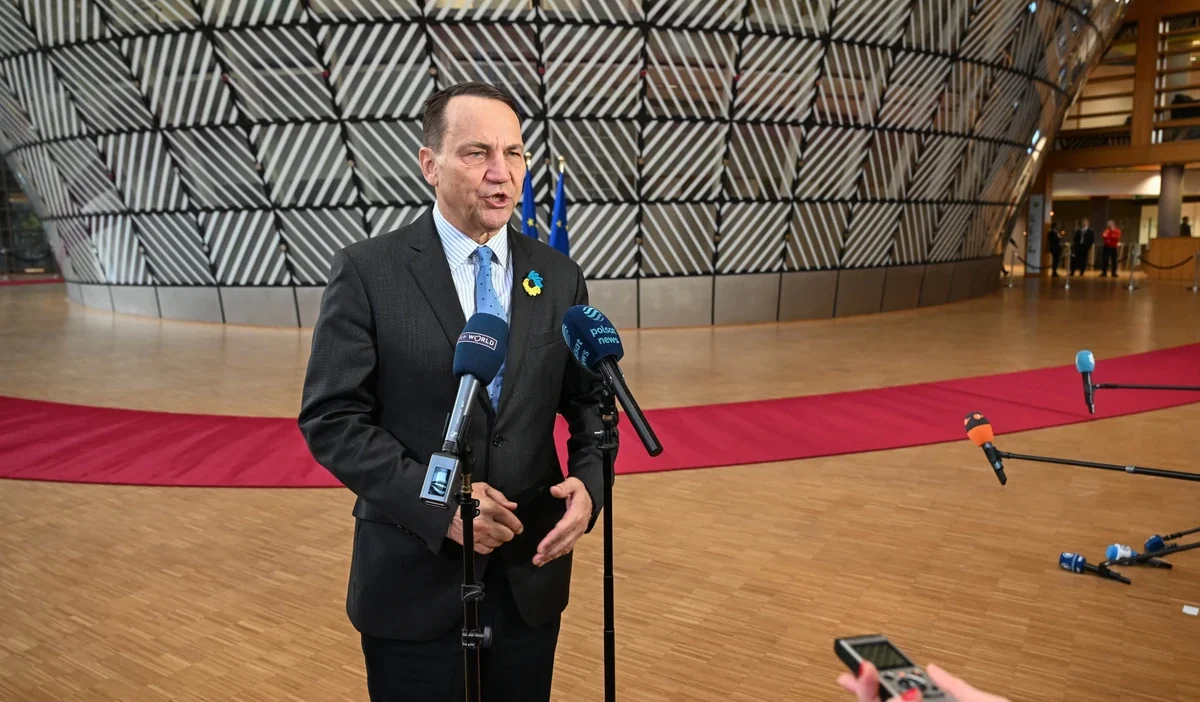
Radosław Sikorski expressed outrage at Hungary’s position. He emphasized that Budapest had previously blocked other important decisions for Ukraine, including 7 billion euros from the European Peace Fund intended for reimbursement to member states for military equipment provided to Ukraine at the beginning of the Russian invasion.
The Polish foreign minister noted that unblocking these funds was one of the topics discussed with authorities in Budapest, but without results. He also pointed out that one of the priorities of Poland’s EU presidency was to open the first negotiating cluster in accession talks with Ukraine, a step also vetoed by Hungary.
Background on Pipeline
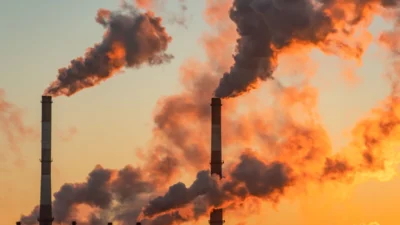
The “Przyjaźń” pipeline is one of the key transport routes for Russian oil to Central Europe. After the EU imposed a maritime embargo on Russian oil imports in 2022, pipeline supplies to some countries were temporarily exempted from restrictions. Hungary and Slovakia, heavily dependent on Russian raw materials, use this infrastructure based on long-term contracts.
Infrastructure Damage
Damage to transmission infrastructure on Ukrainian territory is a consequence of regular Russian attacks on energy facilities. According to Ukrainian authorities, a significant portion of the country’s energy system has been destroyed since the start of the full-scale invasion, requiring costly repairs and reorganization of energy and raw material transmission.
Hungarian Political Position
Conditioning the approval of a 90 billion euro loan for Ukraine on oil supply issues aligns with the broader political line of Viktor Orbán’s government, which has repeatedly criticized EU sanctions against Russia. Budapest has delayed the adoption of new sanction packages and decisions on military financing support for Kyiv.
Impact of Blocked Funds
The dispute over 7 billion euros from the European Peace Fund concerns reimbursement of costs incurred by member states that provided military equipment to Ukraine after February 24, 2022. This mechanism was designed to encourage further EU defense support for Kyiv through partial reimbursement of expenses.
The blocking of payments means that countries that have already supported Ukraine have not received their due funds. In practice, this limits their ability to make further arms transfers, as defense budgets of many countries are burdened by rising costs of military modernization and increased security spending.
EU Solidarity Concerns
Sikorski pointed out that such a position weakens the common front against Russia. In his view, creating an atmosphere of hostility toward Ukraine in Hungary, using government-controlled media, serves current political struggles ahead of Hungary’s parliamentary elections.
Another point of contention is the opening of the first negotiating cluster in Ukraine’s EU membership talks. Starting negotiations requires unanimity among member states. Hungary’s veto formally halts the accession process, despite the European Commission having positively assessed Ukraine’s progress in reforms.
Sikorski emphasized that European solidarity is a treaty obligation. The Lisbon Treaty introduces the principle of mutual assistance and loyal cooperation between member states. In the context of the ongoing war and unprecedented support for Ukraine, blocking key financial and political decisions creates tensions within the EU.