


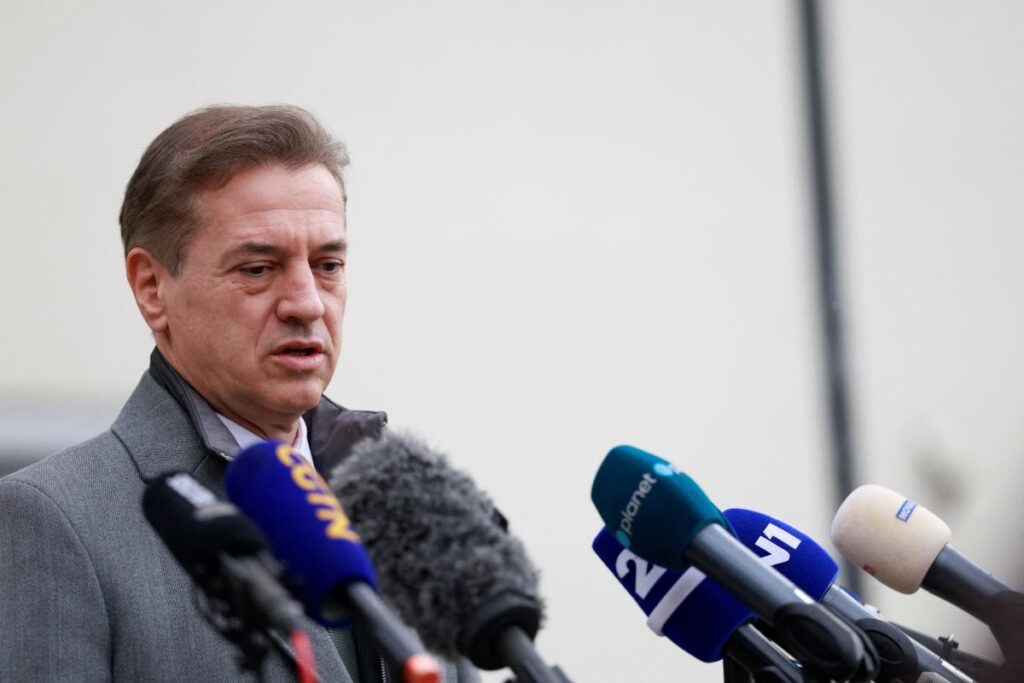
Following March parliamentary elections, Slovenia’s Prime Minister Robert Golob failed to form a government, potentially paving the way for a return of former Prime Minister Janez Janša.
Parliamentary Election Results
In March, Slovenia held parliamentary elections. The liberal Movement for Freedom, led by current Prime Minister Robert Golob, won the most votes.
However, the margin was narrow, with the party securing 29 seats in the 90-seat parliament. The Slovenian Democratic Party, led by former Prime Minister Janez Janša, won one fewer seat.
Failed Government Formation
Other parties gaining seats included the New Slovenia coalition (9 seats), the People’s Party and Focus (6 seats each), the Democrats and Social Democrats (6 seats each), and the Left-Green coalition and the Resni.ca movement (5 seats each).
On Monday, April 20th, Robert Golob met with President Natasa Pirc Musar and announced his inability to form a government, stating his party would move into opposition.
Janša’s Potential Return
Golob explained he could not find a coalition partner among the center-right parties and suggested Janša might attempt to form a government. Janša, a three-time former Prime Minister, openly expresses strong support for Donald Trump.
Janša initially stated he would only attempt to form a government with a comfortable parliamentary majority, but now indicates he has no immediate plans to do so, preferring to wait for the current coalition to fail.
Program Readiness
Janša asserted his party presented the only complete program during the election campaign and is prepared to implement it immediately, potentially forming a superior government.
Possible Alliances and Pro-Russian Concerns
In early April, Janša’s party supported the candidacy of a Resni.ca leader for the position of Slovenian parliamentary speaker, signaling a potential alliance between the two groups.
Concerns have been raised, as reported by Wyborcza.pl, regarding the populist leader’s potential shift towards pro-Russian policies following the elections.