


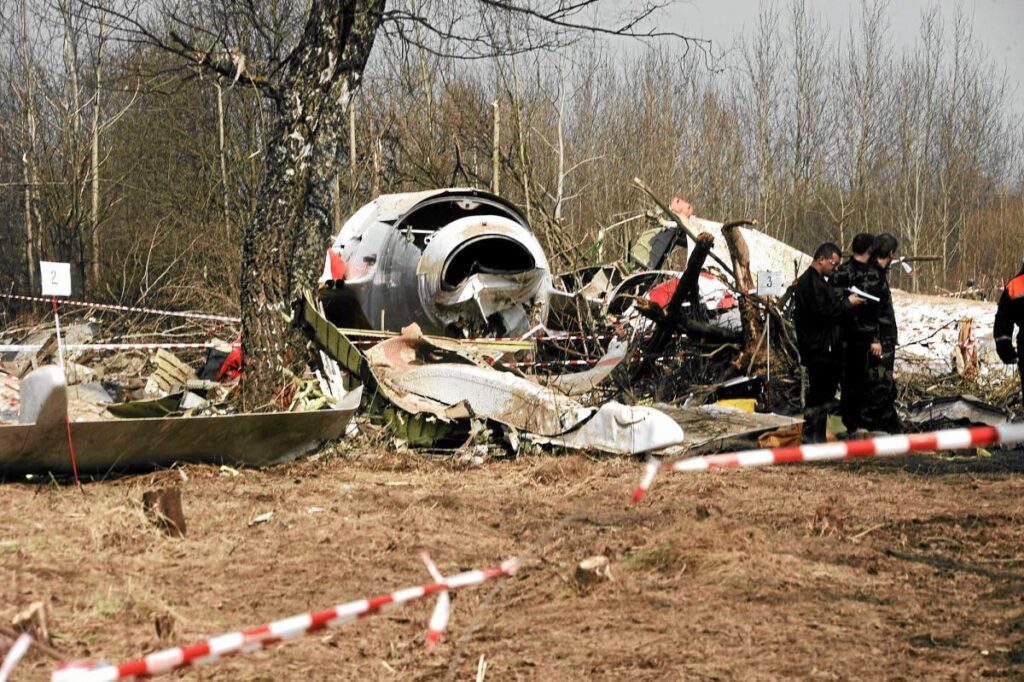
Polish prosecutors are reviewing a comprehensive expert report on the 2010 Smolensk air crash, examining its completeness and compliance with legal standards.
Prosecutors Review International Expert Team Report
Polish prosecutors say the expert opinion of the International Expert Team is still being examined for completeness, clarity and internal consistency. Victims’ representatives are also reviewing the document, and evidence requests linked to its content are under analysis. No further details are released.
Contents and Translation of the Expert Report
The International Expert Team report, commissioned in 2019, is several hundred pages long, written in English and filled with specialist terminology from aviation, chemistry, and medicine. A Polish translation arrived at the National Prosecutor’s Office on August 22, 2023, and prosecutors promised it will be made public only after review by officials and the families of victims.
Current Status of the Smolensk Crash Investigation
Thus far the investigation has ordered charges against Russian flight controller P. Pawłowski and two other officers for allegedly causing the crash. Prosecutors are concurrently testing multiple narratives—errors by air‑traffic control at Smolensk‑North, pilot mistakes, possible aircraft faults, and sabotage. Over two thousand volumes of expert opinions have been compiled, and more than a thousand witnesses have been heard.
Parallel Investigation into Russian Mortuary Officers
An unrelated proceeding has charged 41 Russian medical examiners for forging autopsy reports of the crash victims. Allegations involve false recording of identifying features, omissions of serious injuries, and description of non‑existent post‑mortem procedures.
Miller Commission Report Overview
The Polish Miller Commission, established by the Ministry of Defense in 2010, released a final report in July 2011. It concluded that the direct cause was descent below the minimum safe altitude, excessive rate of descent, and poor visibility, with a delayed initiation of emergency procedures.