Veolia conducted thermal imaging flights over Warsaw on the night of March 6-7, 2026, to inspect the city’s heating network.
Operation Details
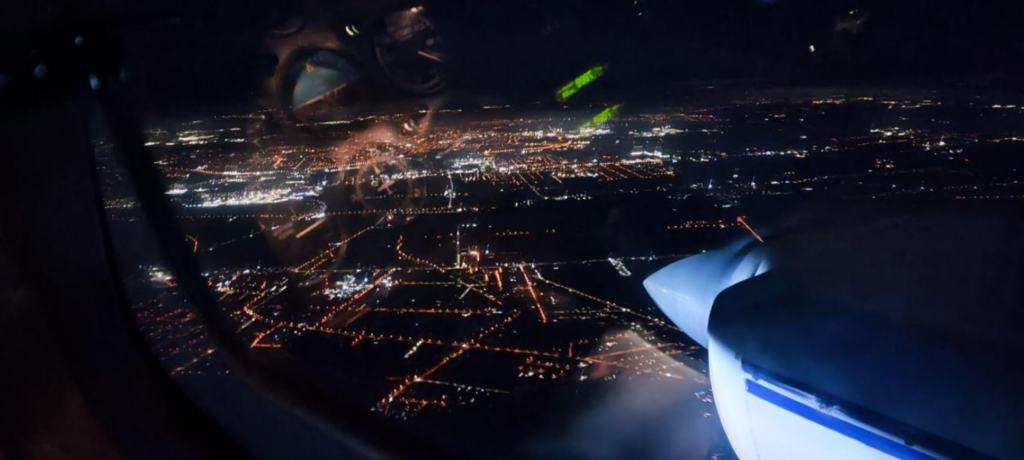
Veolia continued aerial thermal surveys of Warsaw’s heating network during the night of March 6-7, 2026. This third phase involved a specialized aircraft covering additional districts including Mokotów, Ursynów, Wola, Ochota, Ursus, Włochy, and Międzylesie.
The nighttime flight was part of ongoing diagnostic actions targeting areas not covered in the first two phases. The survey was conducted from a specialized aircraft equipped with thermal cameras.
Methodology and Benefits
According to the company, aerial thermal imaging is one of the most effective diagnostic methods used by its Leak Detection Department. It allows for highly precise measurements and simultaneous monitoring of large urban areas. The result is an orthophotomap enabling early detection of potential failure points and identification of network sections with elevated heat losses.
Veolia emphasizes that continuous monitoring, preventative maintenance, and modernization improve system efficiency, reducing heat loss and CO2 emissions. In 2025, Warsaw’s network reported heat losses of 10.86%, among the best results in Poland compared to similar systems. Over the past 12 years, failures have decreased by over 34%.
Technical Requirements
Such surveys require strict weather conditions: external temperatures below 0°C, average daily temperatures not exceeding +7°C, no snow cover, no cloud cover below flight altitude, no precipitation (including fog) during measurements or the preceding day, relative humidity below 75%, and weak wind or calm conditions.
The decision to fly is made immediately before takeoff. The third phase used a Partenavia P.68 Observer 2 aircraft, which departed Warsaw/Modlin Airport after midnight on March 7. The flight lasted approximately 3.5 hours.
Objectives
The collected data will aid in further monitoring Warsaw’s heating network and identifying locations requiring technical intervention before more serious faults occur.