


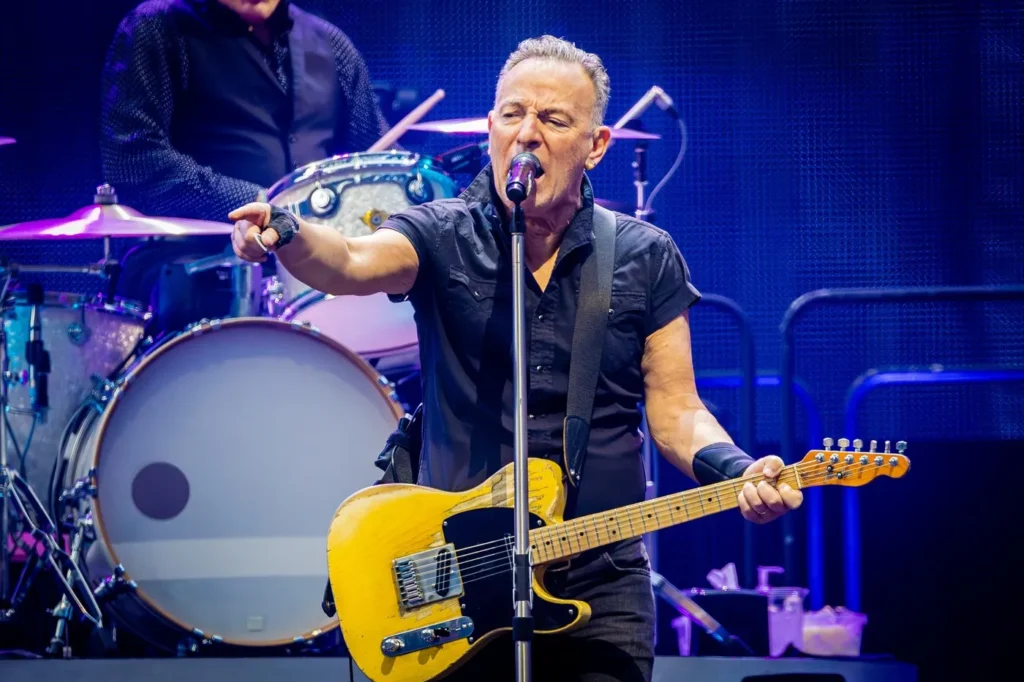
Bruce Springsteen headlined mass demonstrations against the Trump administration, drawing nearly 9 million participants across the US and Europe.
Mass Protests Under “No Kings” Banner Sweep US and Europe
Mass protests under the slogan “No Kings” swept across the United States and parts of Europe, gathering nearly 9 million people according to organizers. Minnesota was the focal point, with Bruce Springsteen leading the demonstrations.
The musician, a symbol of American culture, has influenced generations of Americans, and his outspoken opposition to Donald Trump’s policies gave the protests a unique political and cultural dimension.
Demonstrations Held Across the US
Demonstrations took place simultaneously in over 3,100 locations across all 50 US states, approximately 500 more events than the previous October protests. Organizers reported a turnout of nearly 9 million people.
This represents a significant increase compared to events in June 2025 (5 million attendees) and October (7 million attendees).
Broad Geographic and Political Participation
Protests occurred in major metropolitan areas like New York City (population nearly 8.5 million) and small towns like Driggs, Idaho (population under 2,000). Two-thirds of participants came from outside major urban centers.
Many protesters originated from traditionally conservative states such as Wyoming, Utah, and Louisiana, indicating opposition to the Trump administration extends beyond the Democratic Party’s traditional base.
Springsteen’s Symbolic Role and Key Issues
Bruce Springsteen’s appearance at a rally before the Capitol in St. Paul, Minnesota, was particularly significant. He performed “Streets of Minneapolis,” written in response to the fatal shootings of Renee Good and Alex Pretty by federal agents.
Springsteen emphasized the importance of social resistance, stating, “Your strength and commitment show that this is still America. This reactionary nightmare and these raids on American cities will not last forever.” He also highlighted Minnesota as an inspiration for nationwide resistance against ICE actions.
Immigration and Foreign Policy Fuel Protests
Intensified actions by immigration authorities in Minnesota and other states were a key driver of the protests, with ICE operations leading to numerous arrests and at least two deaths.
The administration’s foreign policy, particularly military actions towards Iran, was another significant factor. Demonstrators protested “endless wars” and the risk of further destabilization in the Middle East, displaying signs reading “Regime change starts at home” and “Take off the crown, clown.”
Isolated Incidents and Republican Criticism
While most protests were peaceful, some cities saw interventions by law enforcement. Police used tear gas near a federal detention center in Los Angeles, arresting those who did not comply with dispersal orders.
In Denver, a gathering was declared illegal after protesters blocked a road. Police used smoke devices and arrested at least nine individuals for throwing objects at officers. Despite these incidents, the overall character of the protests remained calm.
The Trump administration and the Republican Party strongly rejected the protesters’ demands, with a White House spokesperson attributing the demonstrations to “leftist financial networks” and questioning their public support. The National Republican Congressional Committee labeled the events a “platform for the most extreme and out-of-touch views.”
Global Solidarity and Impact
The “No Kings” protests extended beyond the United States, with demonstrations in countries including Italy, France, and the United Kingdom. In Rome, thousands protested against the government of Giorgia Meloni, linking local issues to criticism of US policy.
In London, slogans against the far-right and racism dominated, while in Paris, American expatriates and social organizations gathered. The international dimension highlights the global impact of US policies, particularly regarding armed conflicts and migration.