


On 13 December 2025, Warsaw staged a day of remembrance, marking 44 years since the 1981 martial law that reshaped the nation.
Background of the 1981 Martial Law
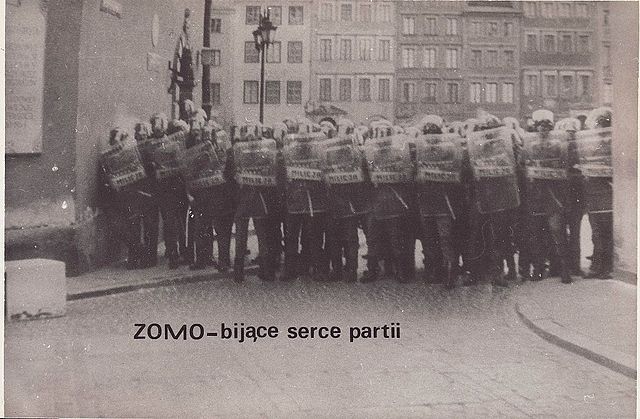
On 13 December 1981 the Polish Council of State issued a decree establishing martial law across the country, which was formally lifted on 22 July 1983. The order granted the government expanded powers while curbing civil liberties such as freedom of movement, assembly, and access to information. Military forces, supported by the police, maintained a curfew and deployed heavy equipment to enforce the measures.
Human Toll and Internments
During the martial law period, 10 131 activists of Solidarity and other opposition groups were interned, and over 100 people lost their lives, including nine miners shot during the 1981 strike at the “Wujek” mine in Katowice. The state’s crackdown extended to a broad campaign of arrests and surveillance against opposition figures.
Legal and Constitutional Controversies
In 1992 the Polish Sejm declared the martial‑law decree illegal, and in 2011 the Constitutional Tribunal ruled it incompatible with the principle of legality. Criminal trials against officials responsible for the imposition and implementation of martial law were also pursued.
Warsaw’s 44‑Year Commemoration Program
The day on Rakowieckie Street began with a Mass for victims at the Museum of Condemned Soldiers and Political Prisoners, followed by a memorial march and the inscription of flowers. At 11 am a historical diorama and a display of 1980s military gear were presented, while the “Freedom is in Us” exhibition opened at Pavilion XII. Later, the city awarded Freedom and Solidarity Crosses and held a concert titled “Azalia” for those who endured repression.
Other City‑wide Memorial Events
At Piłsudski Square the National Memory Institute organized the “Light of Freedom” ceremony, led by President Karol Nawrocki, inviting citizens nationwide to light candles. The Białoleka district hosted the 11th Białoleka Freedom Run, symbolising the date of martial law and the internment of over 600 dissidents. Parallel exhibitions and lectures across the capital further highlighted the enduring impact of the 1981 regime.